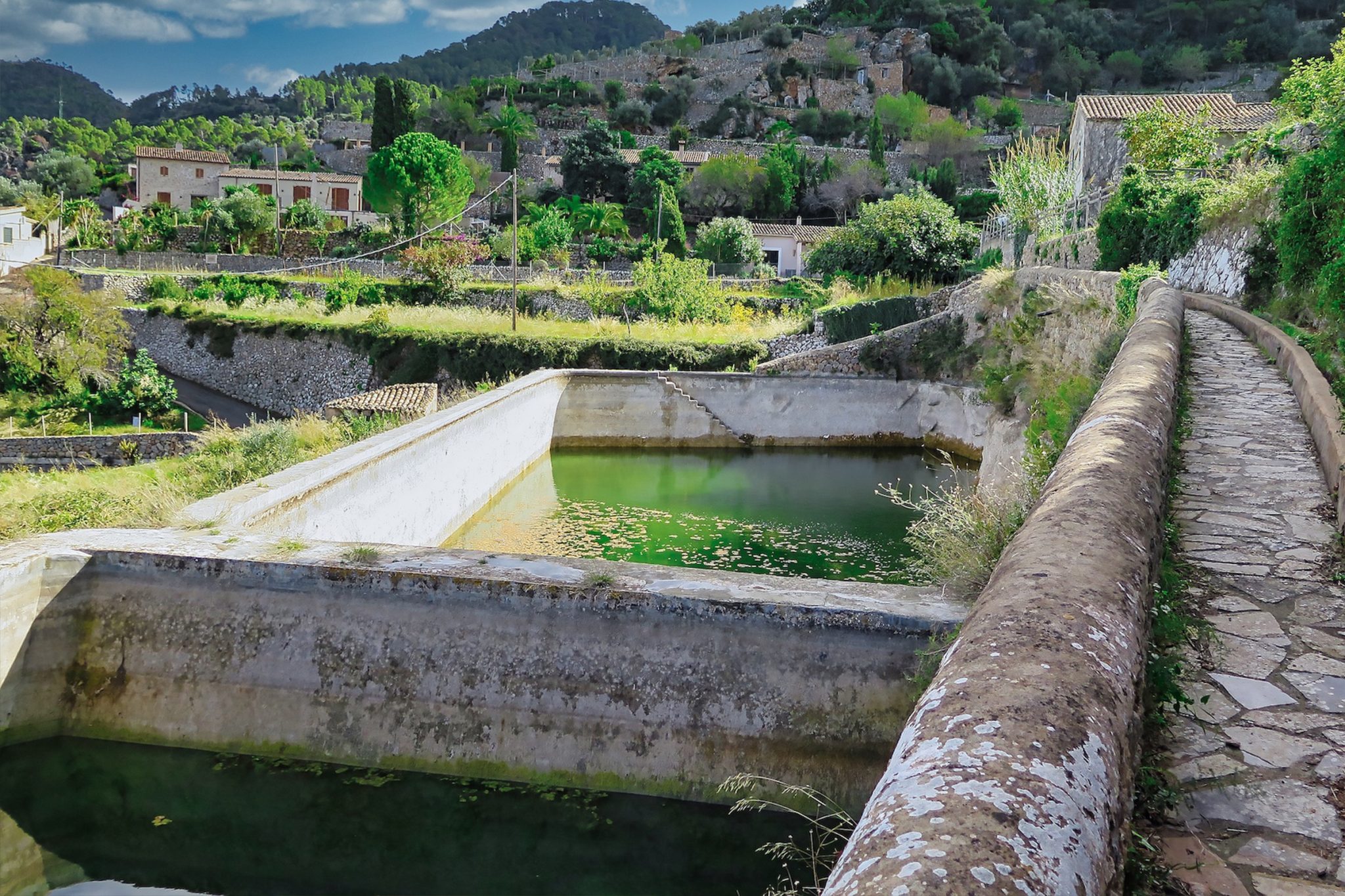
Scattered across rural Mallorca, el safareig — stone or concrete reservoirs built from the 18th century onward — have long shaped the landscape and daily life. Designed to collect rainwater or spring water for irrigation, they range from small 10–15 m³ basins to vast 200 m³ cisterns on grand estates.
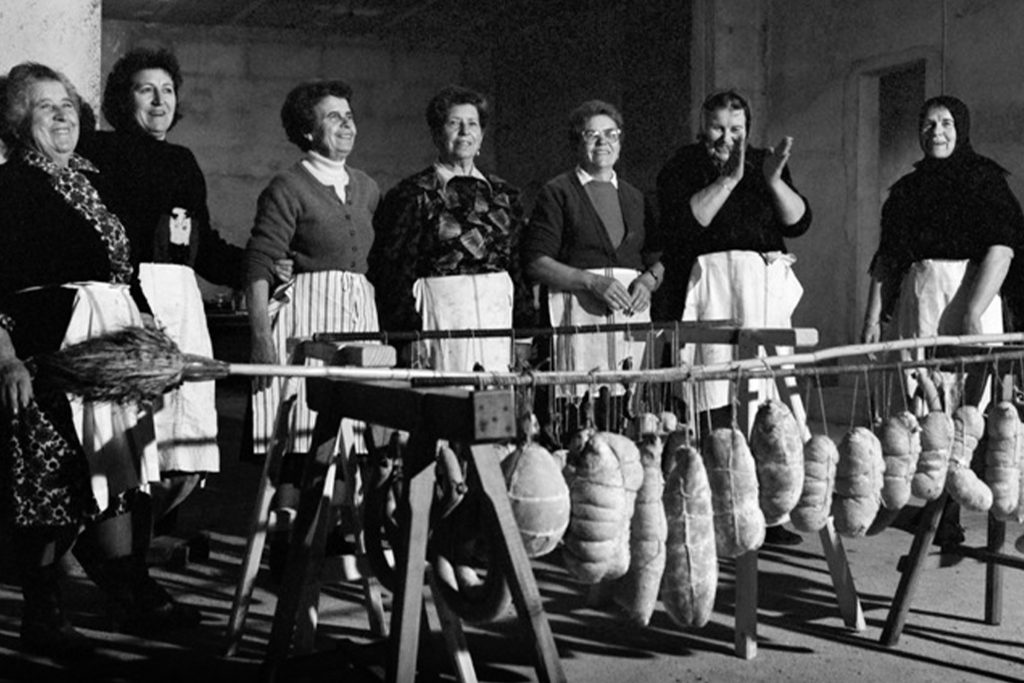
Safareigs were practical, but they were also vibrant community spaces. Until the mid-20th century, women gathered here to wash clothes, swap gossip, and share news, while children from nearby villages slipped into estates to swim in algae-covered water among frogs.
Today, in towns like Artà and Binissalem, historic safareigs have been restored and protected. They remain part of Mallorca’s heritage, reminders of how deeply water, land, and community were once intertwined.