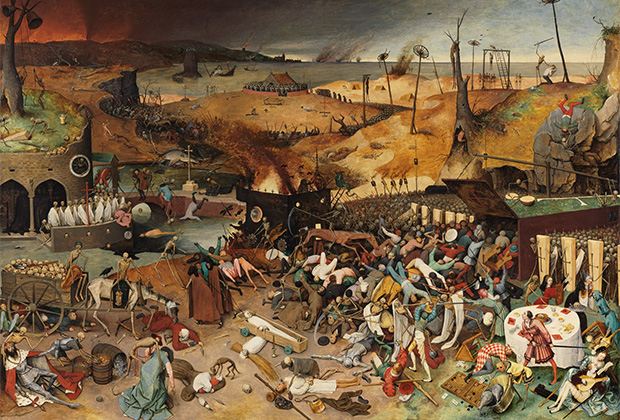
If you thought Palma’s Sant Sebastià festivities were already a mix of fire, tradition, and raucous revelry, buckle up — because they’re kicking things off with a full-on tribute to the Black Death. Yes, really.
On Saturday, January 10, Palma will celebrate “Dia de la Pesta” (Day of the Plague), an addition to the city’s patron saint celebrations. The event is designed to fuse legend, history, and party vibes while stretching the festival into a proper week-long affair.
So…
Why are we celebrating the plague?
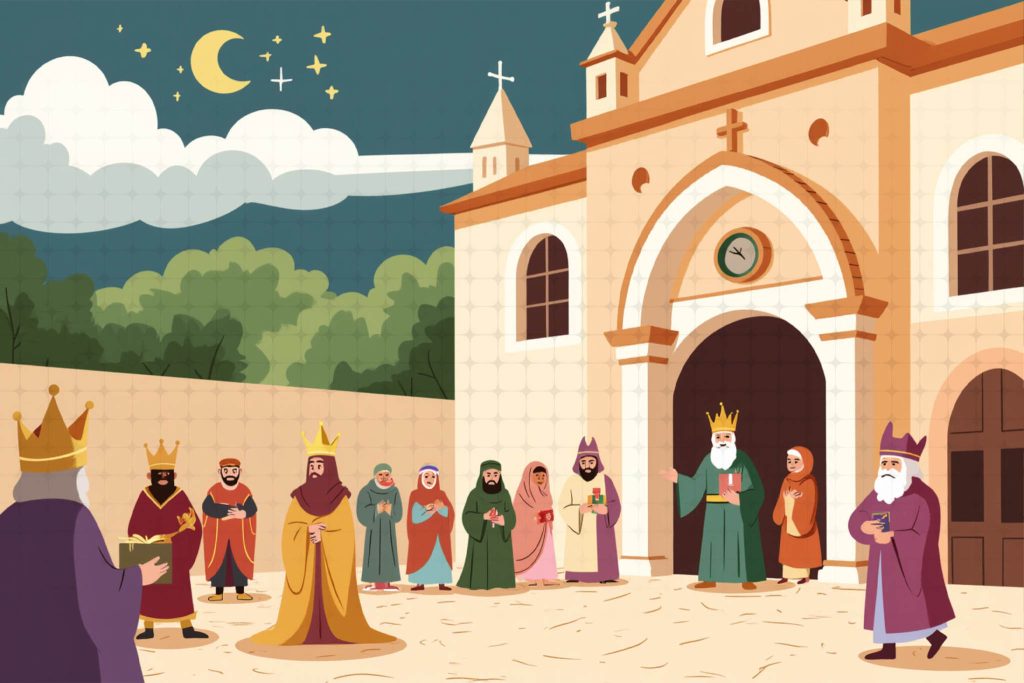
The story goes like this: Back in 1523, Palma was in serious trouble — the plague was tearing through the city. Enter a wandering archdeacon from the Order of Rhodes, casually carrying a relic of Saint Sebastian (specifically, his arm — because Renaissance-era people loved carrying saintly body parts around).
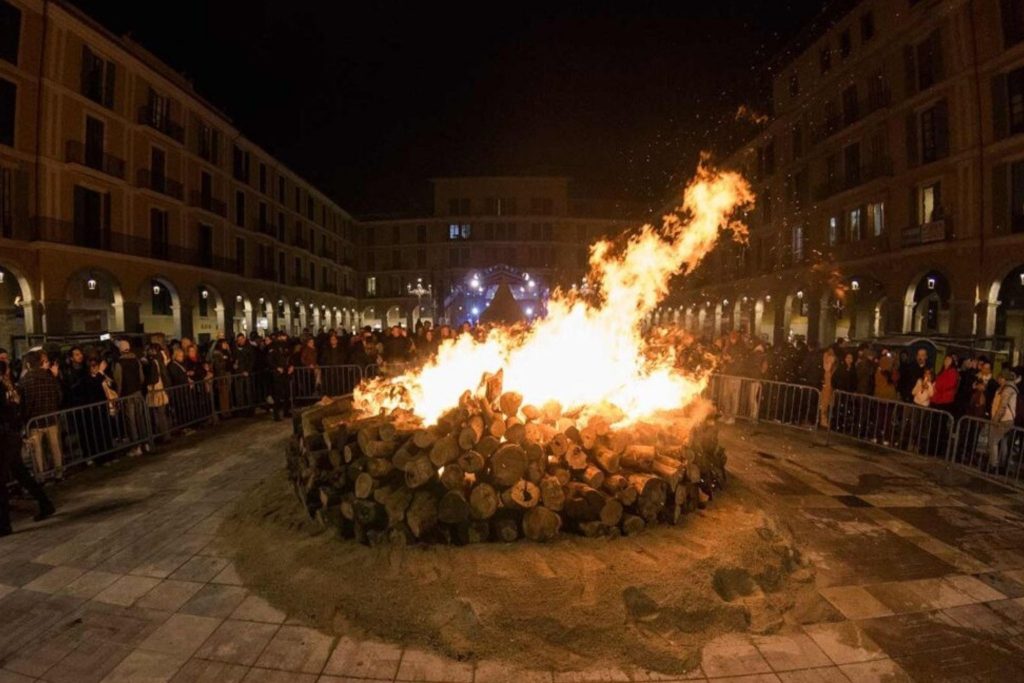
As soon as the relic arrived, the plague miraculously began to fade. Coincidence? The citizens of Palma thought not. To make things even spookier, three times the archdeacon tried to leave, and three times a storm in the bay stopped him. Clearly, Saint Sebastian’s arm had chosen Palma as its permanent home. Eventually, the relic was enshrined in La Seu, and by 1634, San Sebastià was officially declared the patron saint of the grateful city — which now annually throws a full-throttle fiesta in his honour on January 19.
Why?
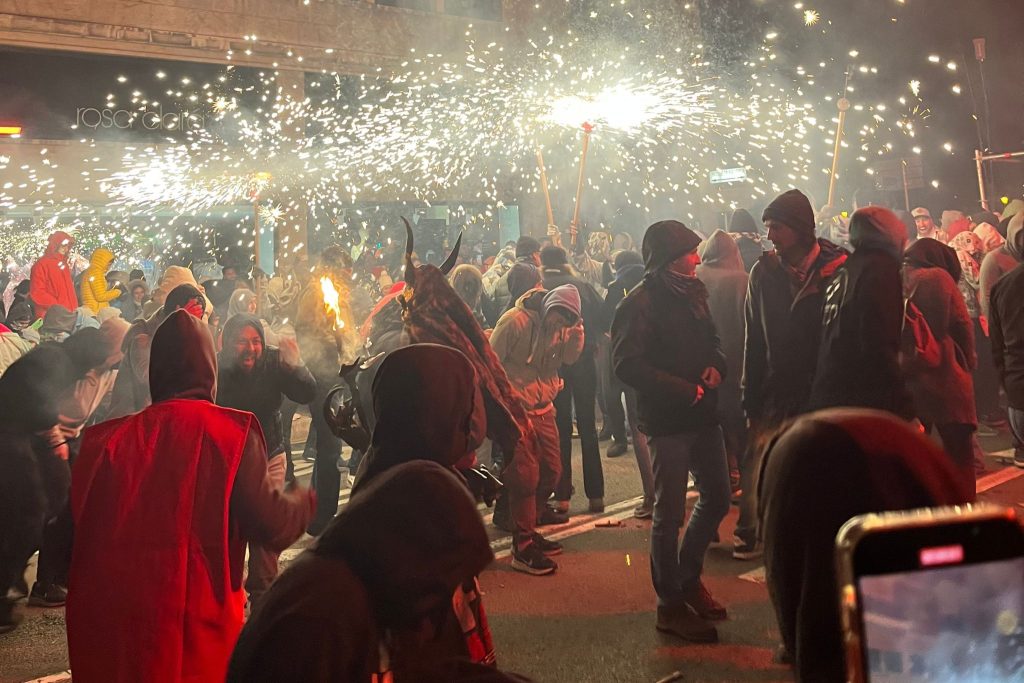
January 10th’s ”Dia de la Pesta” is designed to bring this dramatic history to life-with a side of dance beats. The celebration starts at 5:30 PM. Citizens (dressed in all black with a white scarf) gather in Plaça Cort. Dress code is obligatory! Later the Plague makes its grand entrance, as plagues are wont to do. A parade winds through the streets, symbolizing the spread of the epidemic. (Yes, Palma is really committing to this bit. Then the parade arrives at Plaça Lloreng Bisbal, where the ”Festa de la Pesta” gets going in earnest. After 7:30 PM onwards: The ”reliquias” (sacred relics) are presented, and then… it’s DJ time! Because nothing says “honoring a city-wide near-death experience” like a party set from two DJs.
What’s the big idea?
For years, festival organizers have been working to make Sant Sebastià a bigger, more immersive city-wide celebration rather than just one big night on January 19. As Lluís Mas, a member of the Obreria de Sant Sebastià, puts it: “It’s just not right that Palma, which is the eighth-largest city in Spain, doesn’t have a full week of patron saint celebrations.”
That’s where “Dia de la Pesta” comes in. By setting the stage a week earlier, the festival organizers hope to get the whole city engaged — not just with passive concerts and barbecues, but with interactive, historical, and slightly theatrical traditions.
“We want to create a festive atmosphere during all these days — not just roasting meat and watching a concert passively, but participating actively in our city’s celebrations and making them more popular every year,” says Mas.
The event will take place each year on the Saturday before the centerpiece “Revetla” of Sant Sebastia, provided there are at least three days between the two dates.
What to expect?
Think of this as a cross between a historical reenactment, a gothic-themed street party, and an excuse to wear black while dancing to DJ sets. It’s an eccentric, tongue-in-cheek way to honor Palma’s past, lean into local folklore, and expand the Sant Sebastià festivities into something more dynamic and participatory.
Will it work? Will the people of Palma enthusiastically embrace the plague? Or maybe we’ve had enough pandemics for one lifetime.
Either way, dress in black, grab a white scarf, and see for yourself.