Fer matances is one of Mallorca’s oldest rural traditions — the annual pig slaughter that once marked the arrival of winter, the promise of food for the year ahead, and the coming together of family and neighbours. The word matancescomes from the Latin mactare, meaning “to sacrifice” or “to offer,” a reminder of just how essential this day once was. Before refrigeration, the pork preserved in winter would sustain households until the following season.
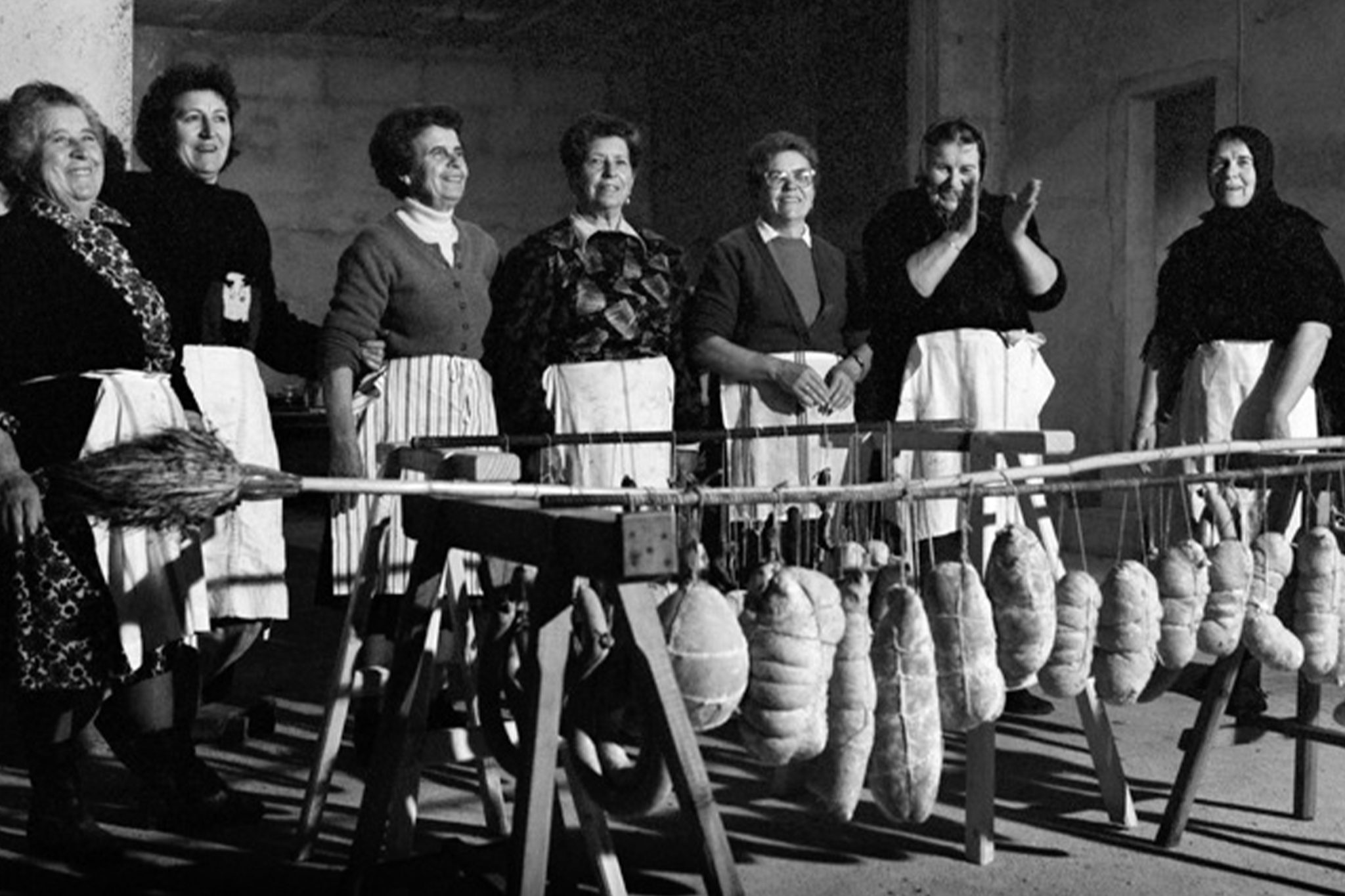
The event usually takes place in November or December, when colder temperatures make it easier to cure, salt, and store meat. Families, neighbours, and sometimes whole streets participate, each with a role. Men traditionally handled the slaughter and butchering; women prepared botifarrons, sobrassada, salted cuts, and broths. The day often began at dawn with a quick prayer and a sip of herbes mallorquines — for courage and warmth.
Food is at the centre of matances, starting with arròs brut, a rich rice stew made from the first cuts and offal. But the ritual is as much social as it is culinary. It was — and still is — a communal day filled with work, conversation, songs, and wine. Many families keep notebooks of handwritten recipes, their flavours preserved through generations.
The practice declined with the advent of refrigerators, supermarkets, and changing lifestyles, but it hasn’t disappeared. Today, some families continue to organise small-scale matances on private land, and many towns celebrate the tradition publicly through fairs and festivals. Villages such as Selva, Manacor, Sineu, and others host a yearly Fira de la Matança, honouring the island’s rural past.
Though the world may have changed, each winter, as the smoke rises and the songs begin, Mallorca remembers who it is — together, around the table.