
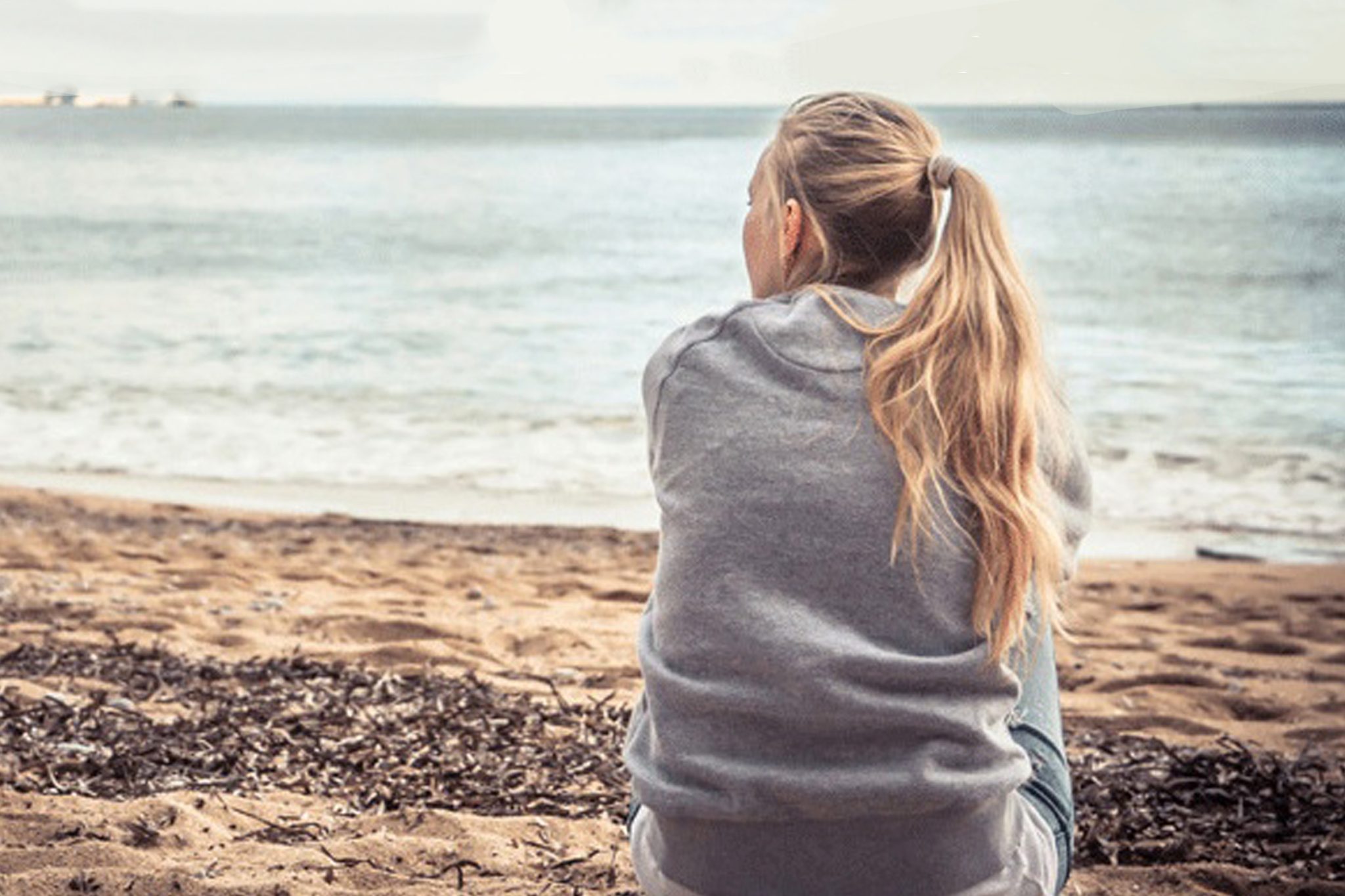
Mallorca promises peace and beauty — yet many still feel something’s missing. Therapy, says clinical psychologist Florencia Tuñez, helps fill that gap.
“I live in a gorgeous villa facing the mountains, ten minutes from the sea. I have friends and a community, a good job… I feel like I have this dream life, and there isn’t a thing I would change. I know I should be happy, but somehow I’m just not.”
It’s a line I’ve heard many times in Mallorca, especially among young adults who, on paper, seem to have everything. They live in a place others dream about, yet struggle with a quiet sense of emptiness — a feeling that something is missing, even when life appears perfect.
Before moving to Mallorca, I worked as a clinical psychologist in a public hospital in Buenos Aires, my hometown. I treated people with severe mental health conditions, many of them in need of urgent care. This is perhaps the stereotypical image of a therapy patient — the root of the popular myth that if you need therapy, you must be “crazy.”
I do believe we are slowly dismantling that idea, but the stigma is still very much alive — even more so here, I’ve found. In this so-called paradise, I’ve discovered a different kind of suffering. Sometimes we suffer from our own narratives: from what we unquestioningly accept as truths that end up shaping our reality.
Feeling unease or discontent is reason enough to seek help. That is where the true power of therapy lies — in its potential to create space, to allow yourself to doubt, to ask questions that might lead to new ways of understanding yourself and your life.
Perhaps that is why therapy is sometimes needed even in paradise. Because happiness is not guaranteed by sunshine or scenery. At the end of the day, we are all made of stories — and therapy helps us explore whether the ones we live by still fit the lives we want to lead.






