
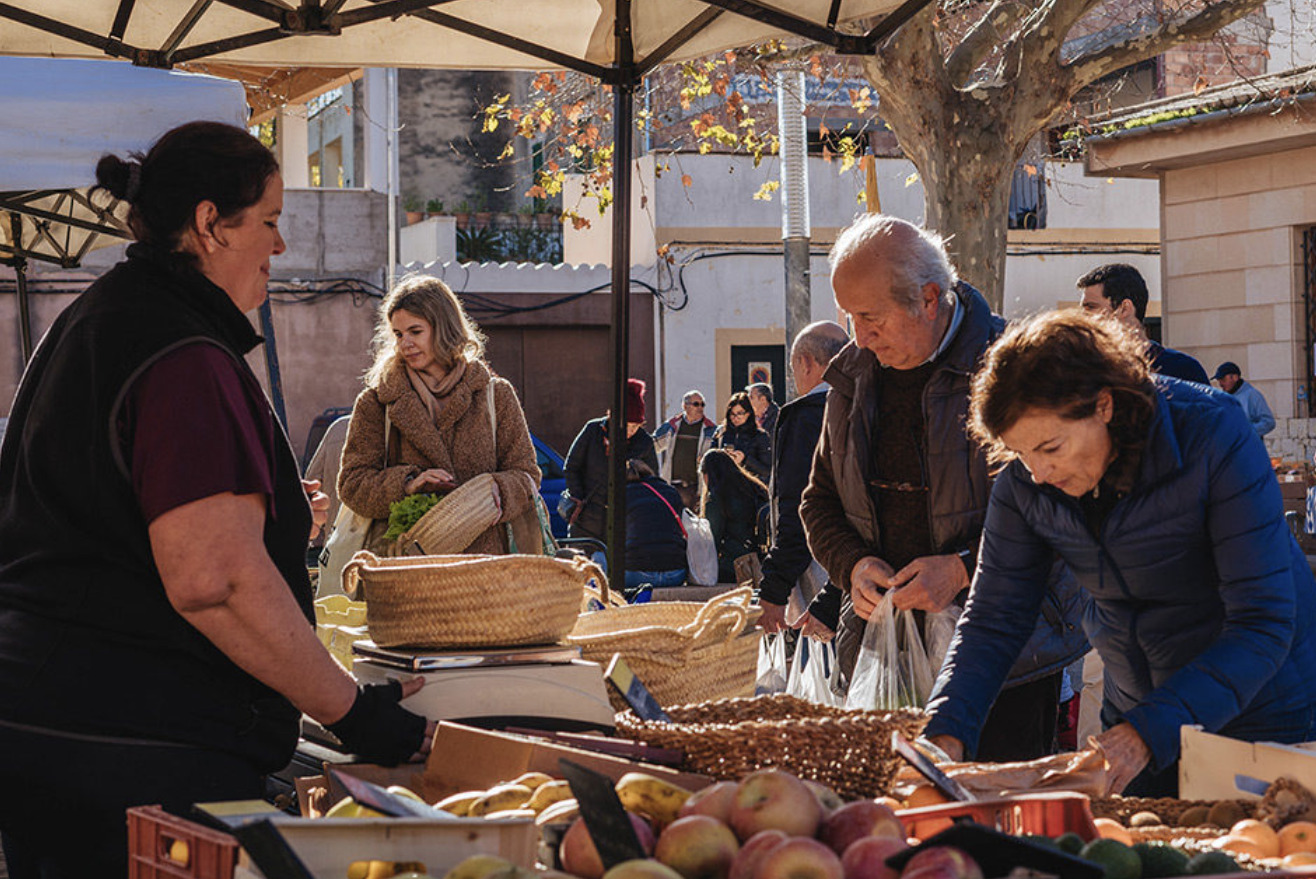
In the autumn of this year, Mallorca reaches a pivotal moment. It marks the departure of summer workers who begin heading home for the winter. While the idea of year-round tourism is discussed each year, it remains a reality only in certain parts of Mallorca and in the city of Palma. As seasonal workers leave, more space becomes available for the “Humans” who call the island home throughout the year.
Who are these year-round residents, and what are their lives truly like? We often hear about remarkable stories of success and luxury living, but for most people, everyday life is quite different.
The high-rise apartments of Palma are filled with stories of ordinary people, while the villages reveal even more. The wealthy, those in gated communities and secluded fincas protected by security, represent only a small portion of Mallorca’s population.
For the majority, mornings begin early, with work often starting at 7 or 8 am. Most secondary schools on the island also begin at 8 am, making early starts common for a large part of the population.
Many early risers spend their mornings searching for food bargains. Local food markets, like Pere Garau in Palma, come alive with locals and their shopping trolleys from 9 am onwards. Around 10 am, socialising over coffee begins, just as visitors arrive to glimpse what they believe is an authentic market. Tourists see a curated experience, but for many residents, these markets are a place to stretch limited budgets as far as possible.
According to the European Anti-Poverty Network in the Balearics, about 20% of the island’s population is at risk of poverty or social exclusion, including one in three children. This is defined as households living on less than 60% of the average income.
During the winter months, many resident workers rely on “El Paro,” the Spanish unemployment benefit. The amount and length of benefits depend on employment history and contributions to Social Security. Some have contracts ensuring they can return to the same jobs after winter shutdowns, but in the meantime, they depend on these benefits, if they qualify.
Winter brings financial strain and anxiety for many. Increased use of the island’s food banks illustrates this reality. The Red Cross, Caritas, and social services departments at every Town Hall provide year-round support, but demand soars in winter.
This is the backdrop of winter life in Mallorca. Residents live on a stunning island, blessed with 300 days of sunshine a year, breathtaking mountains, beaches, and glorious sunrise and sunset views. Yet when hunger is a daily concern, the island’s beauty offers little comfort.
Of course, not everyone struggles. Winter can also be a season of hobbies, enjoyment, and new opportunities. These topics will be explored in the next article of this series. For now, the focus is on the reality many residents face, setting the stage for what comes next.
Mallorca remains a place full of potential. There are countless activities and events for everyone, but a deep awareness of inequality exists among its people. Many residents embrace the idea that “it takes a village to raise a child.” Acts of kindness and widespread participation in local and island-wide charity efforts are heartwarming. Personal stories of neighbours helping each other are a vital part of life here.
This article has explored one aspect of the reality faced by the Humans of Mallorca in the winter of 2025.
More stories to follow…






