Son Corró estate, Costitx, Mallorca, 1894. A farm laborer, his back aching from a day of relentless digging, turns to his foreman with a practical suggestion: clear some of the large rocks littering the field to gain more land for planting.
It was a simple idea — one that would unexpectedly unearth one of Mallorca’s most significant archaeological finds.
As the sun sinks low, the team pries up the first boulders. Then — clang. The laborer’s hoe strikes something metallic. Impossible. This is farmland, not a blacksmith’s forge. He brushes away the soil, and an enormous set of bronze horns emerges.
Staggering back, he gasps. The lifelike bull’s head gleams in the fading light, ancient and powerful. Overcome, he utters what would become Mallorca’s most legendary archaeological exclamation:
“Hem arribat a l’infern!” (We’ve reached hell!)
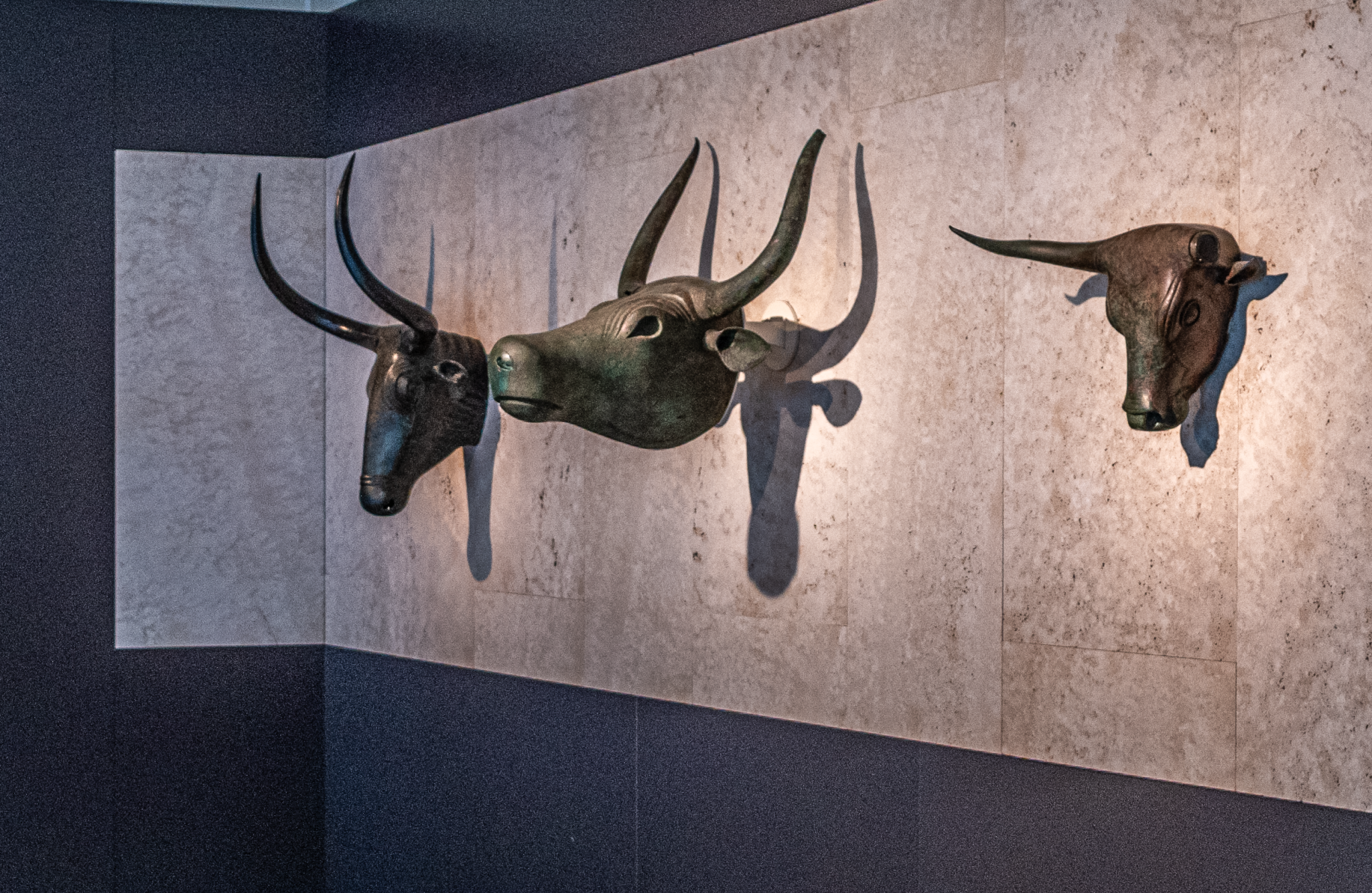
The Bous de Costitx — three extraordinary bronze bull heads — had been rediscovered after lying buried for over 2,000 years.
Word of the discovery spread like wildfire. Scholars and antiquarians descended upon Costitx, eager to examine the relics. The bulls were unlike anything else found in the region — crafted with an artistry that suggested a deep reverence for the creatures they depicted. Some whispered of ancient sacrifices, of rituals held beneath the open sky, where the firelight danced upon the polished bronze as offerings were made to forgotten gods.
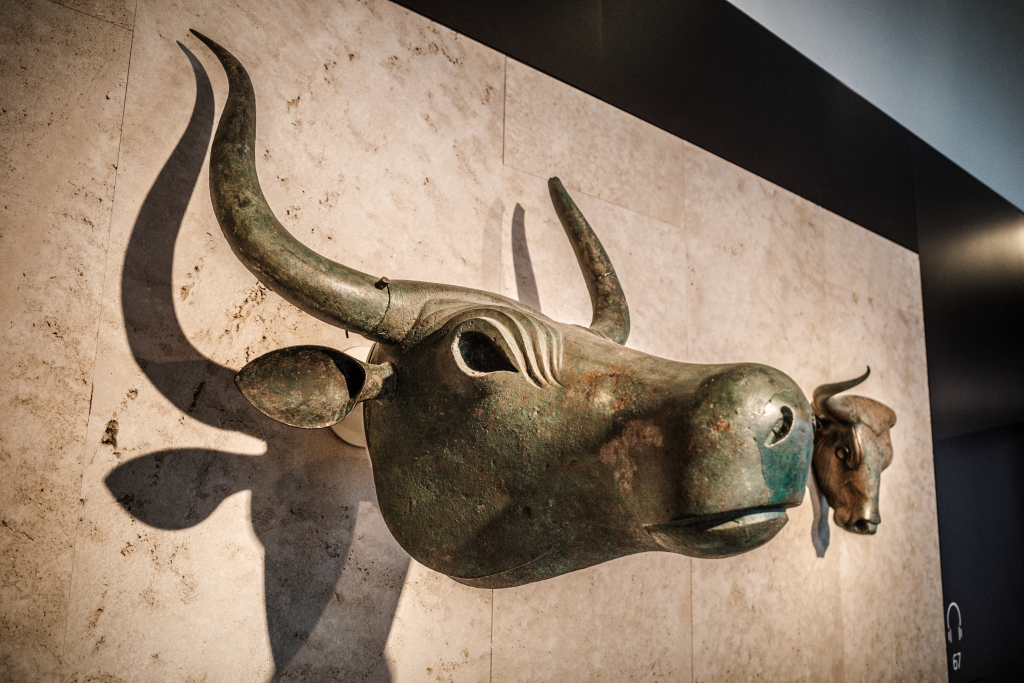
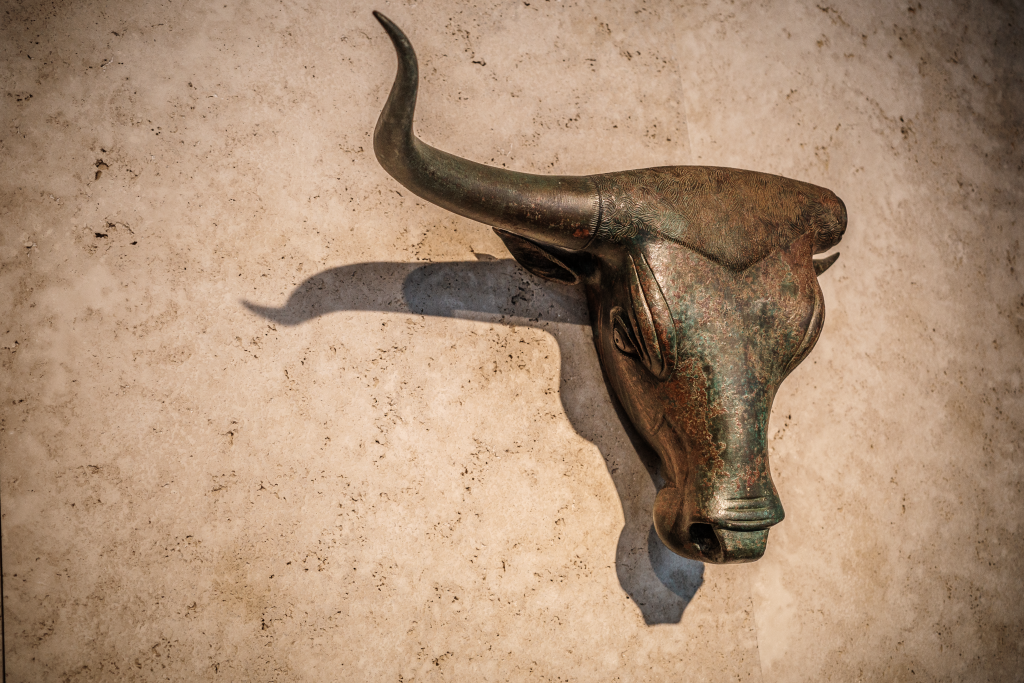
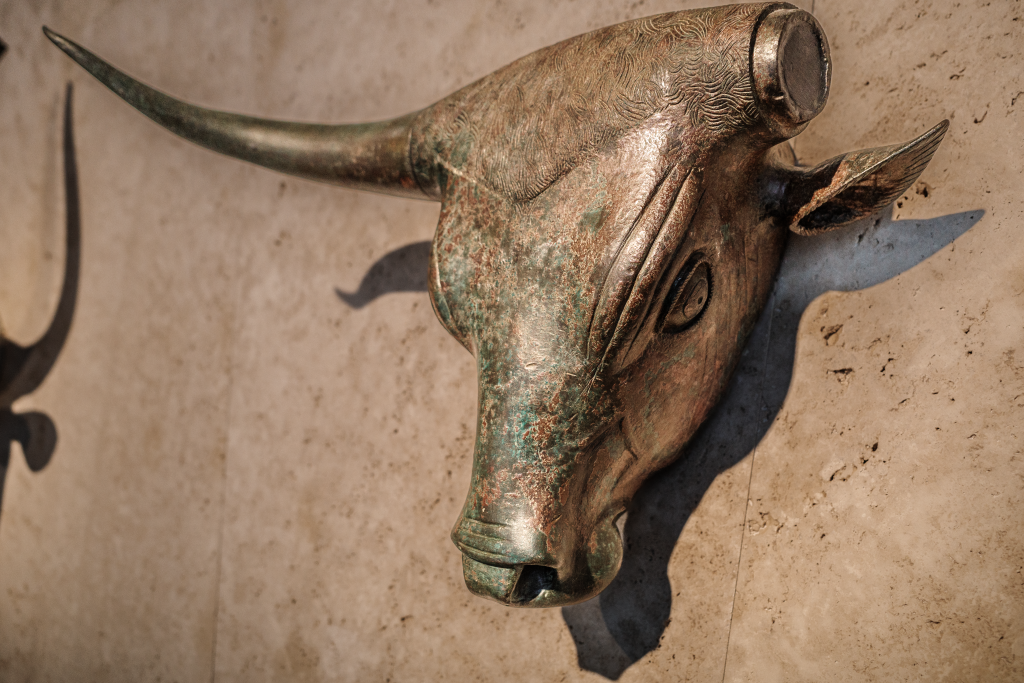
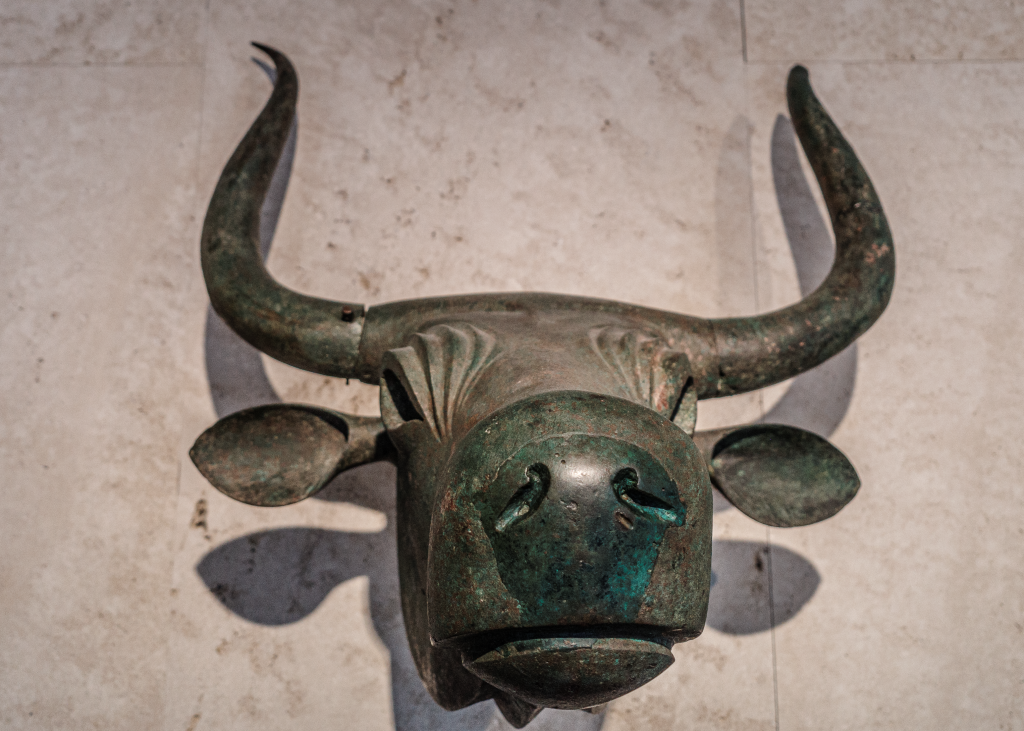
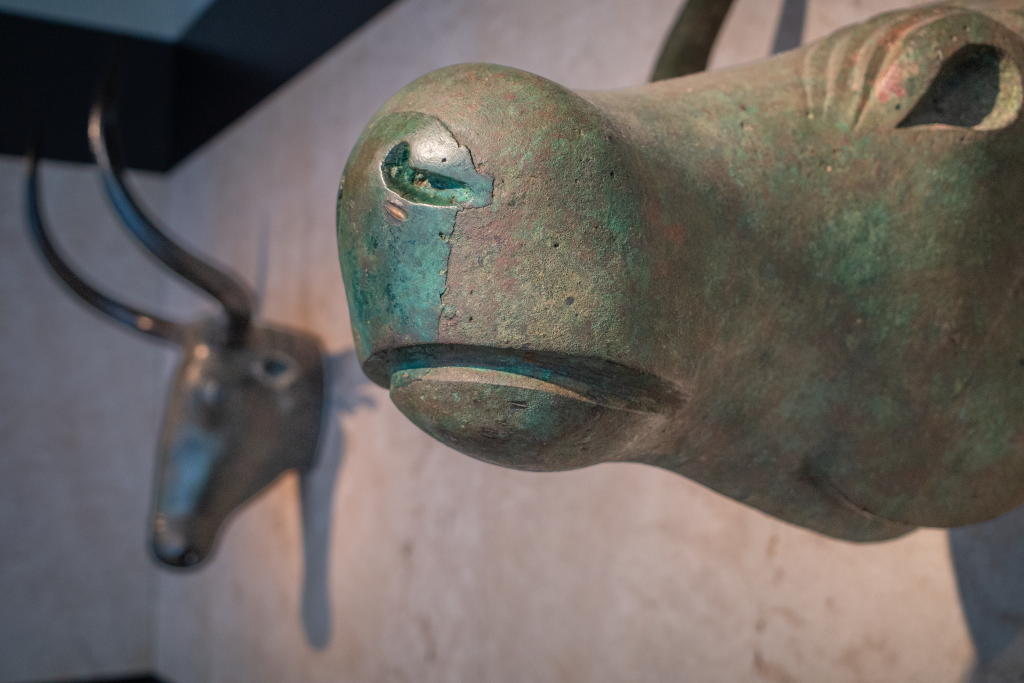
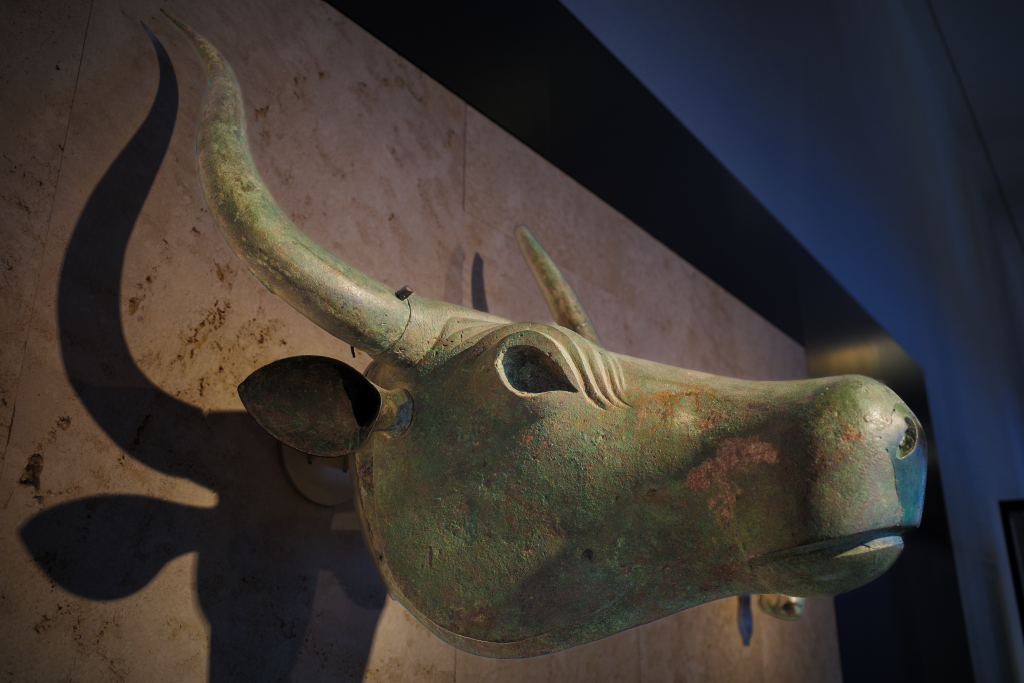
Photo: Miguel Hermoso Cuesta / Wikimedia / https://commons.wikimedia.org/wiki/Category:Toros_de_Costitx#/media/File:Costitx_M.A.N._01.JPG
What Were These Bulls Doing Here?
But one fact stood beyond dispute: these bulls were no ordinary statues. They belonged to an age when the islanders raised astounding megalithic towers, when the laws of nature were still intertwined with the will of the spirits, and when the bull — a symbol of strength, virility, and divine power — perhaps stood as the guardian of a civilization lost to time. Their lifelike craftsmanship, scale, and striking presence suggested something far beyond mere decoration. They had a purpose, a meaning — something rooted deep in the belief system of the people who created them.
The uniqueness of these bronze bulls has puzzled archaeologists for over a century. The bulls were found near the remains of a Talayotic sanctuary, a type of religious structure that, intriguingly, only appeared toward the end of the Talayotic era, in the final centuries before the Roman conquest in 123 BCE.
This was not an ancient tradition of the island’s earliest settlers, but something that emerged late in their history, possibly under the influence of the Phoenicians or their Punic descendants in Carthage. The Phoenicians, who had settlements in Ibiza and coastal Iberia, were known for their bull cults, and some scholars argue that the Talayotic sanctuaries — open-air enclosures with central standing stones — were inspired by or adapted from Phoenician religious practices.
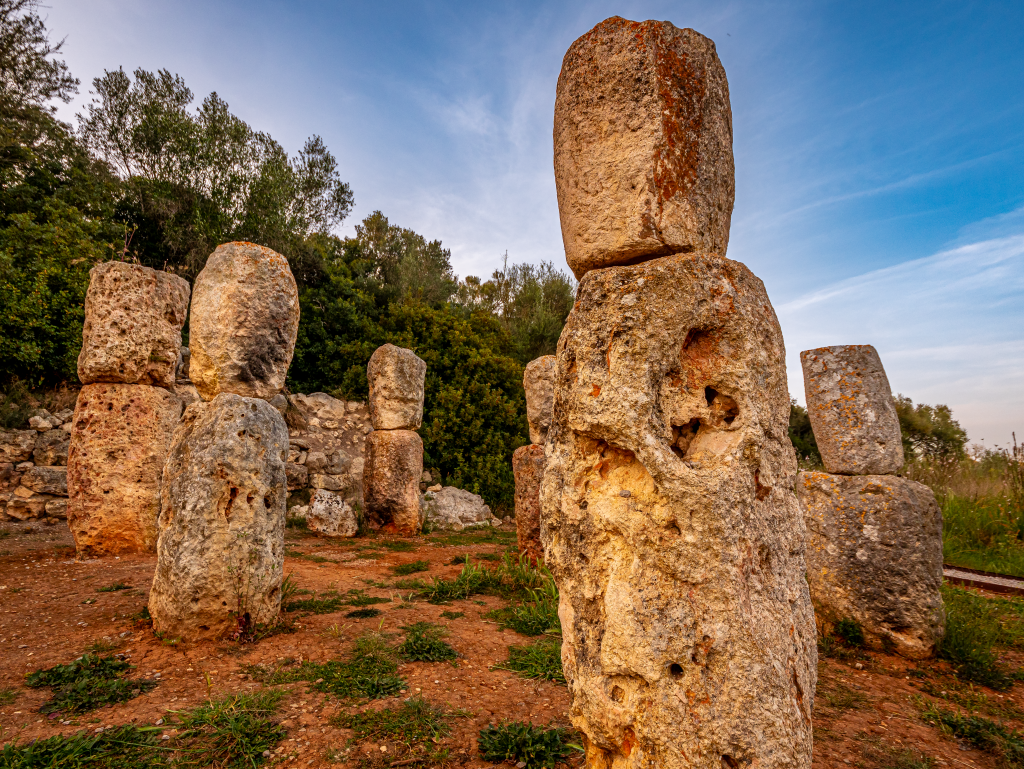
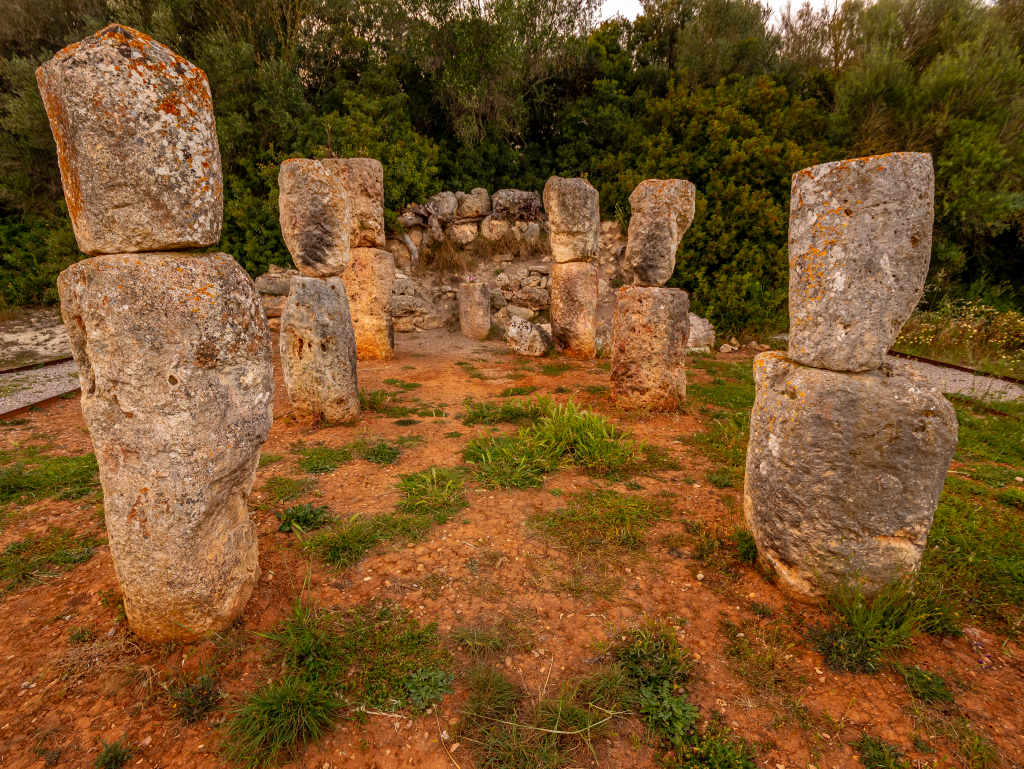
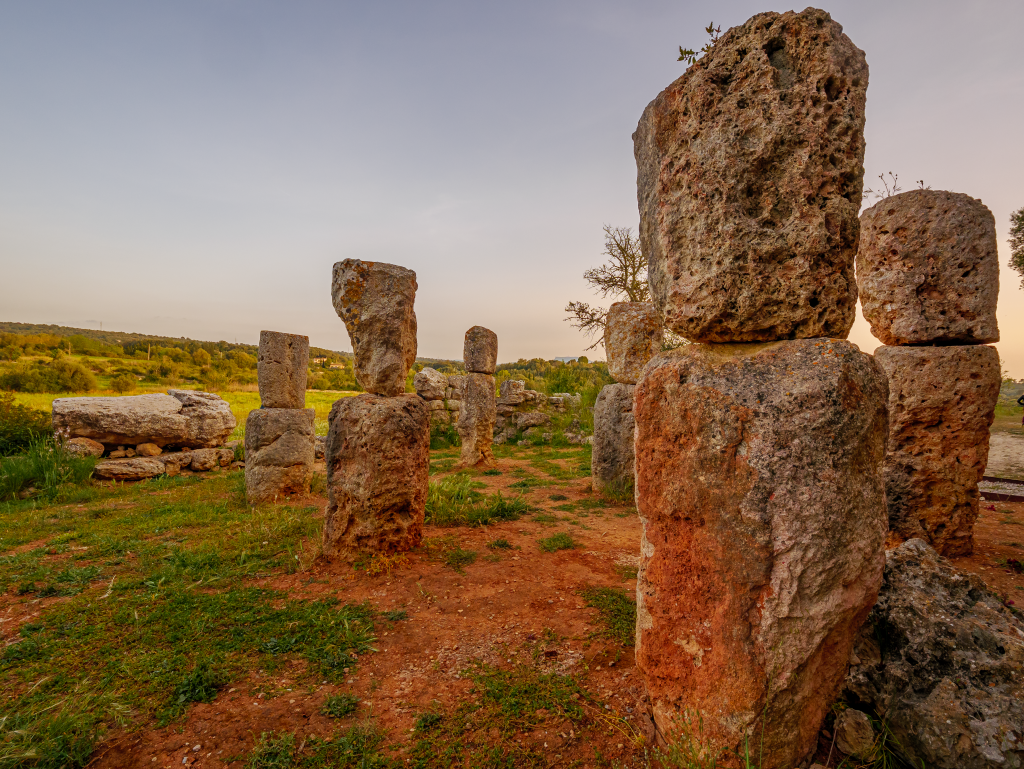
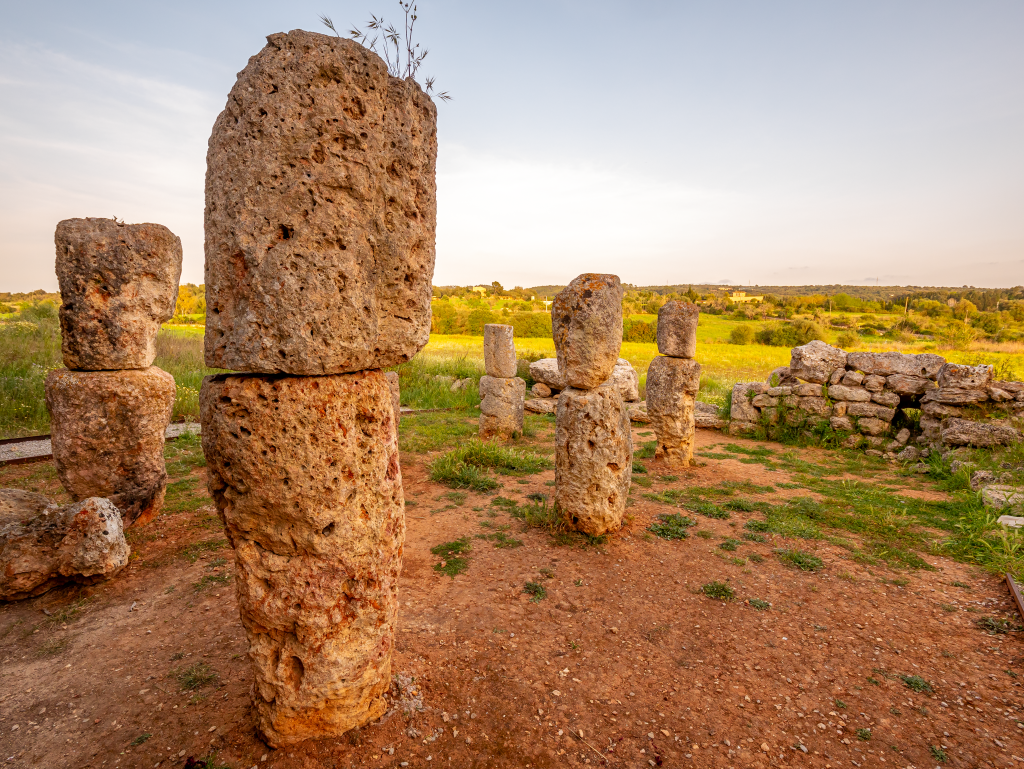
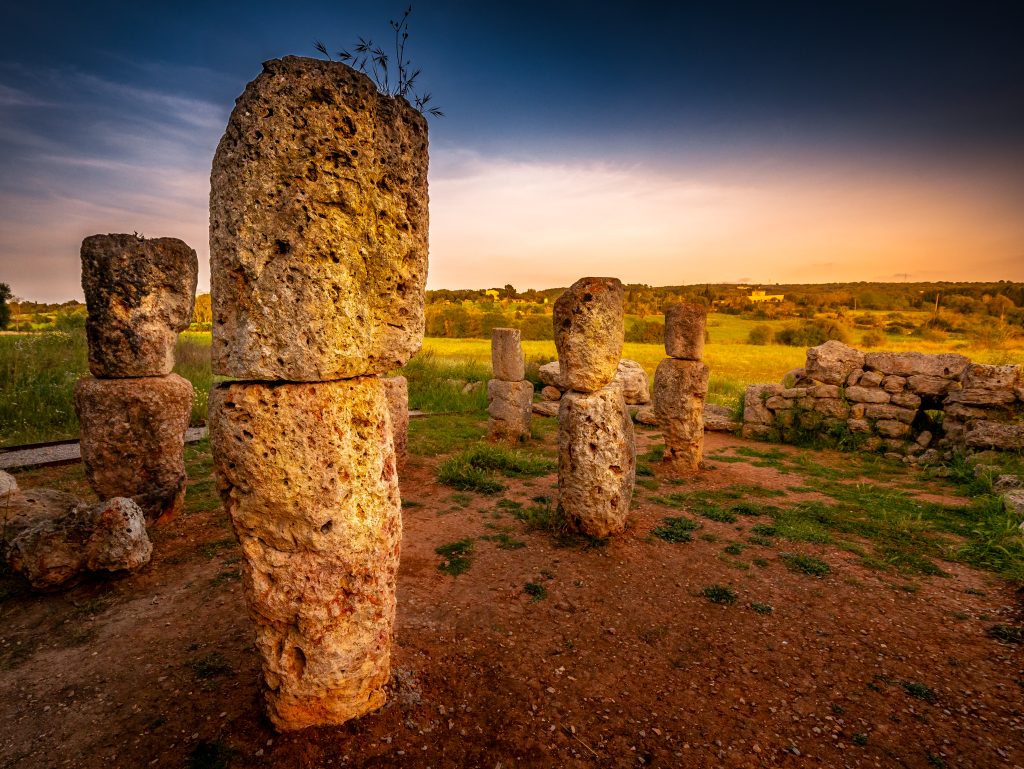
At Son Corró, the sanctuary was a rectangular, unroofed structure, marked by standing stone pillars, which may have functioned as baetyls — sacred stones believed to house divine presence. The Bulls may have once crowned these pillars, staring down at the worshippers gathered below in a ceremony that has long since faded into oblivion. But what exactly these rituals entailed remains a mystery. Were these bulls offerings to the gods? Were they divine representations themselves? Unlike their Mediterranean neighbors, the Talayotic people left no written records, only structures, artifacts, and unanswered questions.
Local Craftsmanship or Foreign Import? The Debate Over Their Origins
Since their discovery, scholars have debated whether the Bulls of Costitx were made in Mallorca or brought from elsewhere. Some believe they were crafted by Phoenician or Greek artisans and transported to the island, while others argue they are entirely Talayotic creations with external influences.
Those favoring the imported theory point to the Phoenicians’ widespread bull cults and their established presence in the western Mediterranean. They note that the bronze bulls resemble artwork from Crete, Tartessos in southern Iberia, and Phoenician colonies, raising the possibility that they were crafted abroad and brought to Mallorca. The stylistic similarities between the bulls and Minoan and Punic bull imagery suggest a cultural connection that is difficult to ignore.
However, the local production theory presents compelling evidence. The bronze casting technique used for the bulls aligns with Mallorcan metalworking traditions, and no other artifacts of this exact style have been found outside the Balearic Islands. Early 20th-century archaeologists like P. Paris and A. Blanco argued that while the bulls were inspired by Mediterranean artistic traditions, they were likely crafted on the island, possibly by artisans who had been exposed to Phoenician or Greek styles through trade.
The Talayotic people were not isolated; they engaged in trade and cultural exchanges with the wider Mediterranean world. They sent mercenaries abroad. The bulls, then, may be a product of a hybrid culture, standing at the crossroads between a dying Talayotic society and the encroaching influence of Carthage and Rome.
Despite decades of research, no definitive answer has been found, leaving the true origins of the Bulls of Costitx an enduring mystery.
A Controversial Fate: The Bulls Leave Mallorca
Despite their deep cultural significance, the Bulls of Costitx never stayed on the island. Shortly after their discovery, they were acquired by the Spanish state and sent to Madrid, where they remain in the National Archaeological Museum. The decision to remove them sparked criticism, with many arguing to this day that they should be returned to Mallorca, where they belong. Some see the return of the bulls as a matter of cultural justice, while others argue that it should only happen under the right circumstances.”It would be great if they returned,” says Professor Manel Calvo Trías of the UIB, “but only as part of a radical shift in how we understand and protect our archaeological heritage, not just as a political victory.”
Do you have an extraordinary story to share? Whether you’re making waves in sports, music, art, business, or another field, we want to hear from you! Become a Human of Mallorca and let us share your journey with the world. Get in touch with us at: hola@humansofmallorca.com