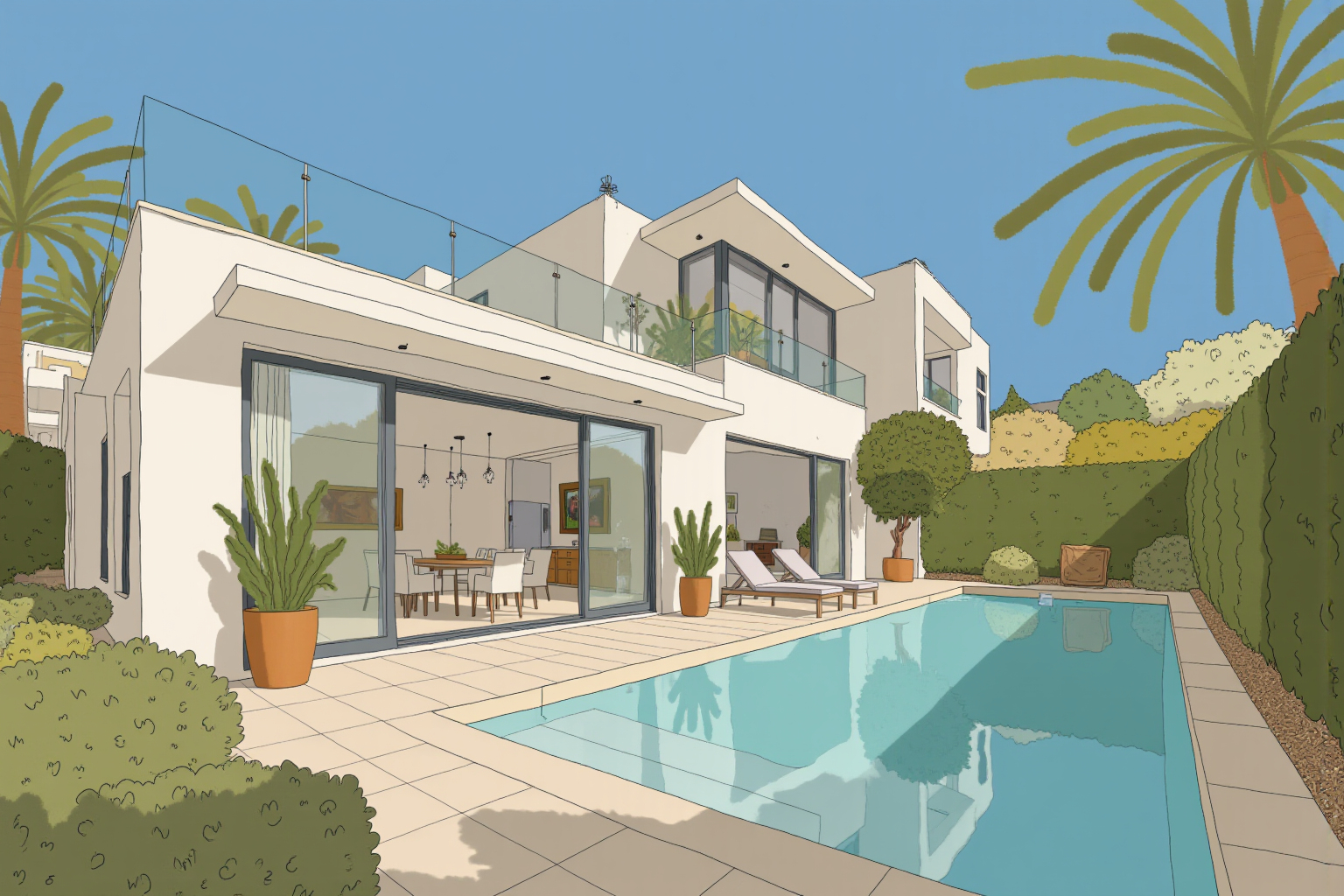
Mallorca sits at the point where Mediterranean scenery meets genuine staying power. Turquoise coves, honey-coloured stone and an international rhythm of life have turned the island into one of Europe’s most wanted addresses. Anyone weighing up villas for sale in Mallorca is really weighing up three things at once: architecture, location and what the asset will be worth in a decade. The strongest part of the market balances all three. This guide walks through how the luxury villa scene actually works here – how to read each region, what moves a price, and how the purchase unfolds from first viewing to signed deed. Treat the choice of villas for sale in Mallorca as a long-term decision and the rest tends to follow.
Why Buy a Villa in Mallorca Right Now
The case to buy a villa in Mallorca rests on fundamentals that don’t shift much with the seasons. Strong healthcare, international schools, daily flights to the major European hubs, and a climate that keeps you outdoors most of the year. Supply is the quiet driver. Planning rules here are strict, and they protect views, privacy and future value by keeping new construction in check.
Demand concentrates in the southwest, in Palma and across the north, fuelled by international buyers chasing sea views, walkable streets, moorings and mountain backdrops. For most owners the result is two things in one – a family base and a stable asset that holds its appeal. That dual purpose is exactly why people decide to buy a villa in Mallorca rather than rent.
The Best Areas of Mallorca for Villa Buyers
No single region wins. The best areas of Mallorca reward different priorities, and knowing which is which saves time and money.
Southwest: Port Andratx, Camp de Mar, Santa Ponsa, Costa d’en Blanes
This is where modern sea-view villas cluster. Glass façades, infinity pools and architecture built to frame the sunset over the Tramuntana. Port Andratx brings waterfront dining and full marine services. Santa Ponsa and Nova Santa Ponsa add golf, international schools and a quick run to Palma. Costa d’en Blanes, perched above Puerto Portals, wins for elevated plots and easy reach to marinas and restaurants.
Palma and Son Vida
Palma delivers city life with substance – Gothic heritage, galleries, a serious food scene. Son Vida climbs the hills behind the capital, lining fairways with contemporary villas on large plots. Buyers come for 24-hour security, golf, fast city access and bay views, all fifteen minutes from the airport.
North: Pollença, Puerto Pollensa, Alcúdia
Beaches and mountains in the same frame. Pollença and Puerto Pollensa draw families who want quiet neighbourhoods, beach clubs and cycling routes. Stock ranges from clean-lined coastal homes to natural-stone fincas inland. Alcúdia and Alcanada offer frontline positions, deep-water sailing and shallow, child-friendly beaches.
West and Northwest: Sóller, Deià, Valldemossa
Cliffs, citrus groves and UNESCO World Heritage scenery. Villas here are fewer and more exclusive, often terraced into the hillside with sunset views. Stone and wood suit the slower pace, which is precisely what buyers seeking privacy come for.
Southeast and Santanyí
Crystal coves, bright architecture, sheltered inlets. Around Santanyí, Cala d’Or and Cala Llombards you’ll find whitewashed villas, new builds and careful refurbishments. The draw is clear bathing water, privacy and a relaxed bohemian feel.
Central Mallorca
Santa Maria, Alaró and Bunyola trade sea views for space, vineyards and open horizons. Estates and context-sensitive new builds dominate, with big plots, olive trees and generous outdoor kitchens. This suits year-round residents who want calm and still reach the whole island quickly.
Investment Hotspots: Where Luxury Villas for Sale in Mallorca Hold Value
For the strategic buyer, the island breaks into micromarkets where scarcity, lifestyle and liquidity line up. The best luxury villas for sale in Mallorca tend to sit in exactly these pockets.
The southwest is anchored by Puerto Portals, Port Adriano and Puerto de Andratx. Prestigious marinas and international schools keep demand steady, and limited building land protects capital. Portals Nous commands a premium for walkability to Puerto Portals, its rental appeal and a cosmopolitan dining strip. Nearby Costa d’en Blanes and Cala Vinyes offer south orientation, sea glimpses and fast Palma access, with room to add value through contemporary upgrades. El Toro, home to Philippe Starck’s Port Adriano, pulls in yachting buyers with large berths, parking and a growing food scene. Santa Ponsa mixes golf, family infrastructure and stock ripe for modernisation.
Near Palma, Son Vida brings controlled access, golf frontages and skyline views that stay liquid in any cycle. Security, plot size and proximity to the city create a defendable price floor.
The west coast runs on scarcity. Deià’s topography and heritage protections cap supply, so quality assets behave like trophies and hold up through downturns.
The north balances beaches, cycling culture and established second-home communities. Refurbished villas with tourist-licence potential, where it applies, or premium family layouts achieve solid occupancy and resale momentum. Frontline positions in Alcanada and Mal Pas are blue-chip.
The southeast has matured around Santanyí into a design enclave – standout architecture, boutique hospitality, crystalline coves. Careful buying near protected inlets or consolidated village grids locks in long-term desirability.
The pattern across all of them: prioritise winter-sun orientation, quiet but connected streets, unbuildable views and legal clarity – planning status, habitability certificate and, where relevant, the tourist licence. Add value through energy efficiency, joinery, landscaping, outdoor kitchens, pergolas, lighting and local-stone façades.
Investment Reasons by Mallorcan Area
Santanyí – Village life with design and turquoise coves. Scarcity on prime streets, closeness to Cala Llombards and Caló des Moro, and a mature market of careful new builds support values. Focus on south orientation, protected views and legal clarity.
Pollença – Historic town with international standing. Family infrastructure, access to Puerto Pollensa beaches and world-class cycling sustain demand. Refurbished fincas with guest suites and outdoor kitchens perform well. Regulation preserves character and limits supply.
Alcúdia – Two worlds: the walled town and the frontline at Alcanada. Sailing, shallow beaches and golf drive year-round use. Sea-view villas with panoramic terraces are blue-chip; older coastal stock offers modernisation upside.
Santa Ponsa – A proven family hub with three golf courses, international schools and easy Palma access. Value is created through architecture, glazing and landscaping. Proximity to Port Adriano widens the yachting audience.
Son Vida – A Palma classic with controlled access, large plots, 24-hour security and golf frontages. Bay and skyline views keep it liquid through cycles. A stable capital refuge.
Puerto de Andratx – The island’s trophy marina. Waterfront restaurants, marine services and sunsets concentrate high-net-worth demand. Hillside villas with infinity pools and glass façades attract a global audience, and terrain limits supply.
El Toro (Port Adriano) – Large berths, secure parking and a growing gastro scene. Older stock offers value-add through layout, joinery and efficiency. Look for sunny terraces with partial sea views.
Santa Maria del Camí – Vineyards, Tramuntana views and authentic village life fifteen minutes from Palma. Fincas and chalets allow efficient upgrades – external insulation, aerothermal systems, photovoltaics.
Cala Vinyes – Calm coves and south-facing slopes between Palmanova and Cap Falcó. Villas with sea glimpses, generous terraces and quick school access. Refurb candidates convert into efficient homes.
Deià – A poetic UNESCO landscape with intrinsically scarce supply. Stone hillside villas attract global attention and long holding periods. Capital preservation comes first here.
Portals Nous – Walkability to Puerto Portals, restaurants and schools fuels year-round demand. Elevated streets, sea views, fast motorway and airport access. Premiums justified by convenience and strong rental demand.
Matching the Villa to How You’ll Actually Live
The best luxury villas for sale in Mallorca aren’t defined by square metres. They’re defined by how light, orientation and the relationship to the sea shape a day.
Waterfront villas. A sea-view home starts the day with clean light and ends it with a calm horizon. South or southwest orientation gives living rooms and terraces winter sun. Shaded glazing, well-proportioned porches and continuous indoor-outdoor flooring let the house breathe, linking kitchen, lounge and pool into one stage. An open horizon is the real value engine – it sustains demand even when a refurbishment is pending. Mallorcan shutters, retractable awnings and discreet balustrades hold off sun and wind without cutting the view.
Villas with direct sea access. A daily convenience and a genuine edge. Think safety, a stable stair or ramp, winter-swell protection and a comfortable point to swim or launch a tender. Verify easements, ownership and coastal regulations before anything else. Add a freshwater shower and gear lockers and the usage multiplies. Legal access is scarce, which lifts price defence.
Contemporary villas. Clean lines, large glass panes, efficient envelopes. Home automation, photovoltaics with battery, aerothermal systems and EV-charger pre-installation cut consumption. A principal suite as a private wing, an island kitchen, a flexible family room. Local stone, thermally treated wood and micro-cement add warmth without losing the minimalism. For international buyers, these homes mean predictable maintenance, warranties and high liquidity near marinas, schools and golf.
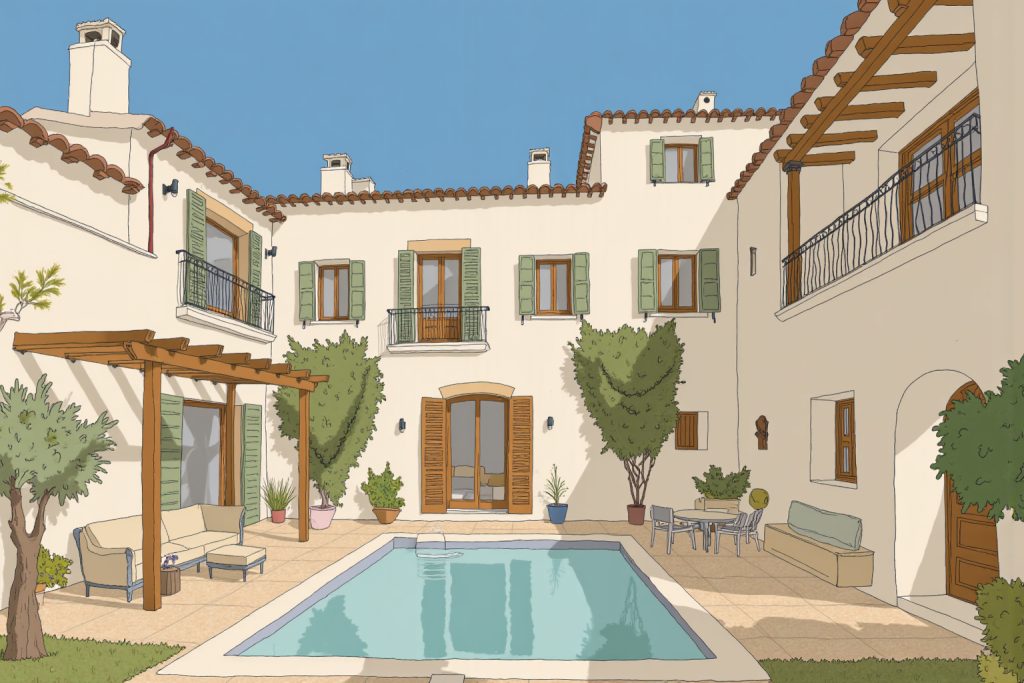
Villas with a pool. Design for winter sun. Infinity or L-shaped pools linked to porches and an outdoor kitchen. Saline chlorination, automatic covers and efficient filtration lower running costs and improve child safety. Aerothermal heating extends the season; a counter-current swim, hydro bench and outdoor shower turn it into a home spa.
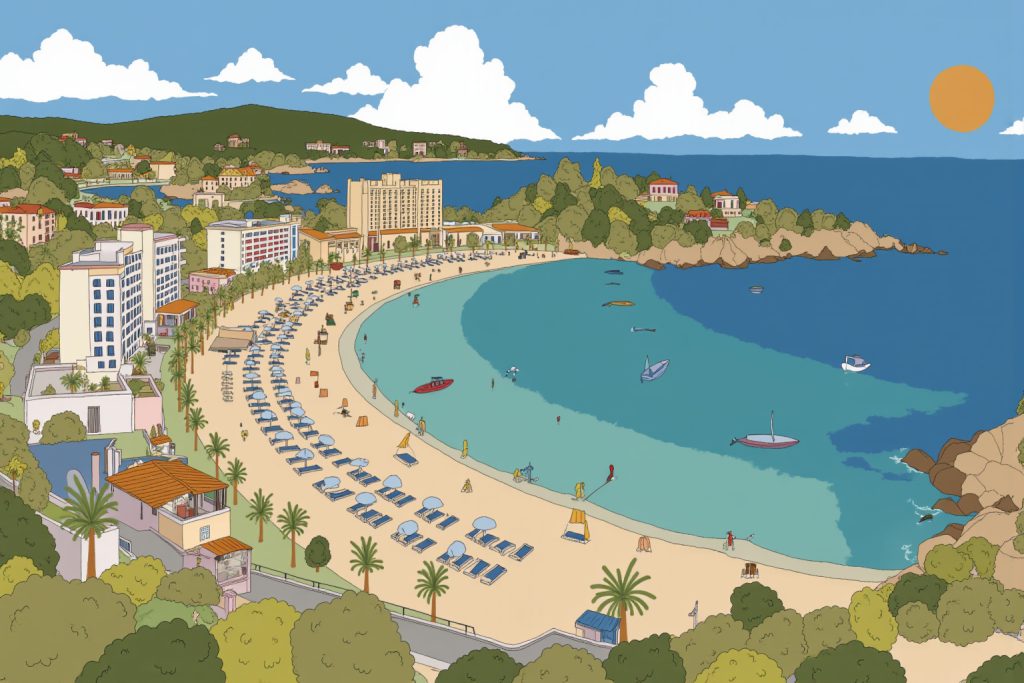
Beachfront villas. Walk down with a towel and back on foot – soft sunrises, shallow water for children, less car dependence. Assess beach depth, wind, summer footfall and the relationship with the promenade. A level lawn with natural shade creates continuity between house, terrace and sea. Look at Puerto Pollensa, Puerto de Alcudia, Cala Figuera, Cala d’Or, Portals and Santa Ponsa.
Villas near golf. A calm rhythm and easy logistics – 24-hour security, quiet streets, a clubhouse minutes away. Plan a day area opening to the porch, a principal suite with an outdoor shower, a room for clubs and trolleys, an e-bike charging point. Bendinat, Santa Ponsa and Son Vida deliver here.
What Drives a Property’s Value in Mallorca
Three fundamentals carry value, and they apply to houses for sale in Mallorca as much as to villas.
Orientation first. South or southwest maximises winter sun across living spaces and terraces.
Privacy without isolation comes next, alongside views that can’t be built out – the single most durable price protector on the island.
Legal clarity closes it: verified boundaries, valid permits, a habitability certificate and current energy documentation. Houses for sale in Mallorca that fall down on paperwork cost more in time, risk and negotiation leverage than they ever save on price. The strongest exit strategies start with villas that score well on all three.
Rental Potential and Licences
Holiday letting is regulated and varies by municipality and property type. Some villas can run on a tourist licence; others are limited to long-term lets or family use only. Confirm the legal position before you buy a villa in Mallorca with rental income in mind – assuming a licence transfers, or can be obtained, is one of the more expensive mistakes here.
Starting Your Search
Whether the picture in your head is a sea-view villa in Camp de Mar, a frontline home near Port Adriano, a family property in Puerto Pollensa or a stone house near Santa Maria, the search for villas for sale in Mallorca goes better with clarity than with speed. Define the brief, line up the documentation early, and let the fundamentals – light, orientation, legal status, unbuildable views – lead the shortlist.
People Also Ask About Buying in Mallorca
Where are the best areas to buy in Mallorca?
It comes down to lifestyle. For luxury and exclusivity, the southwest leads – Port d’Andratx, Bendinat and Son Vida bring hillside sea views, elite marinas and high-end modern villas favoured by international buyers. For city life, Palma’s Old Town, the bohemian Santa Catalina and seaside Portixol stand out. For authentic charm and nature, head north and central to Pollença, Deià, Alaró and Sineu, where stone fincas and mountain landscapes dominate. For families and holiday homes, Santa Ponsa and Port de Pollença combine good beaches, amenities and rental potential. Across all of them, prioritise micro-location: orientation, protected views, quiet streets, discreet access to beaches and marinas.
Where do the wealthy live in Mallorca?
The global elite cluster in a handful of enclaves. Son Vida, the gated hillside community just above Palma, is the island’s Beverly Hills – 24/7 security, sprawling modern mansions, world-class golf. Port Andratx on the southwest coast pulls in yachting buyers and discreet celebrities to its prime sea-view villas. Deià, the UNESCO-protected mountain village, draws artists and A-listers to historic stone houses. Palma’s Old Town offers restored palacios within walking distance of fine dining. Formentor and the north hide secluded pine-forest estates and private beaches, while Bendinat, beside Puerto Portals, suits affluent long-term living.
Where can you find a nice place near Palma but right by a good beach?
If you’re deciding where to stay in Mallorca close to the city with a decent beach attached, the honest trade-off is cheap, near a good beach, close to Palma – pick two. Cala Major is the closest pleasant beach to the city, bikeable to the docks and with some nightlife. Illetes has a nicer beach but costs more and stays quiet after dark. Arenal sits further out, with a less impressive beach but a long coastal cycle path and more work going. Santa Catalina puts you in Palma’s best nightlife and the yacht-crew crowd, with the port a short bus ride away. Can Pastilla is another affordable seaside option.
Can you find property in Mallorca under €200k?
You can, but adjust expectations. At this level, houses for sale in Mallorca tend to be small apartments, older studios or properties needing renovation, usually in inland towns like Manacor or Inca rather than near the beach in Palma or the tourist hubs. Many sub-€200k homes are 50+ years old and will need structural or plumbing work. Budget roughly 10-15% on top of the purchase price for transfer taxes, notary and registration fees. Local Facebook groups and agencies sometimes hold listings that never reach the big portals. Hire an independent property lawyer to confirm the home is legally habitable and debt-free.
What’s it really like living in Mallorca?
Residents are clear-eyed about it. The scenery, weather, food and nature rank among the best anywhere, and outdoor life runs from April to October. The honest complaints: public transport is weak, so a car is close to essential. The economy leans heavily on tourism, which makes non-tourism careers harder to build. Rents have climbed sharply, with even modest flats now expensive relative to local wages. Integration takes effort – learning Mallorcan Catalan goes a long way, and many long-term residents say making the effort is the difference between belonging and feeling like a permanent outsider. Anyone deciding where to stay in Mallorca for the long term should weigh lifestyle against these realities.
Frequently Asked Questions
Which areas are best to buy a luxury villa in Mallorca?
The southwest is the prime core: Port d’Andratx for marina views and contemporary homes, Bendinat and Portals for beaches, international schools and the yacht scene, and Son Vida for golf, gated privacy and Palma access, plus Santa Ponsa and Calvià for serviced communities. In the north, Pollença and Alcúdia – including Bonaire and Mal Pas – blend coves, mountains and village life. The Tramuntana (Deià, Sóller, Valldemossa) offers iconic scenery and heritage plots, while the southeast (Santanyí, Cala Llombards, Portopetro) stands out for turquoise coves and golden-stone fincas. Prioritise micro-location: south or southwest orientation, protected views, quiet streets and discreet access to beaches, marinas and golf.
How much do luxury villas in Mallorca cost, and what drives the price?
It varies by location, views and build quality. Prime southwest – Port d’Andratx, Bendinat, Portals, Costa d’en Blanes, Son Vida – typically ranges from €3-10M+, with frontline and new builds higher. The north and Tramuntana offer design-led villas from €2.5-6M, while the southeast commands premiums for coves and crafted stonework. Key drivers: south or southwest orientation, protected views, privacy without isolation, contemporary architecture or high-grade refurbishment, legal clarity, energy efficiency (heat pump, underfloor, solar PV), and indoor-outdoor layouts with shaded terraces and a quality pool. Proximity to marinas, golf and schools, plus low noise and traffic, also lift value.
How much does a villa in Mallorca cost overall?
Prices span a wide range. Purchase entry sits around €600,000, while luxury properties reach €15,000,000 or more, with the average near €1,850,000. By region: the central island (for example Sencelles) offers traditional homes and renovation projects in the €600,000-€800,000 range. The southwest (Andratx, Santa Ponsa) starts around €1,500,000 and runs up to €26,000,000 for modern beachfront residences. The capital area around Son Vida and Palma holds the most exclusive gated communities, where top-tier villas range from €3,500,000 to €39,500,000.
Where is the cheapest place to buy property in Mallorca?
The east coast can throw up cheaper houses – resorts like Cala Rajada, Cala Bona, Cala Millor, Cala d’Or, Cala Figuera and Cala Santanyi are worth watching. On the southern coast, look at Cala Pi, Colonia de Sant Jordi and Sa Rapita. Inland towns such as Manacor and Inca also tend to price below the coastal hubs. Across all of these, the cheapest stock is usually older or in need of renovation, so factor restoration costs and the standard 10-15% in transaction fees into any budget before comparing headline prices.
Practical tips to get the purchase right
Define your main use and investment horizon before booking viewings. Account for total ownership costs – maintenance, improvements, energy efficiency – not just the purchase price. Judge light, orientation and layout above theoretical square metres. Ask about the community, access and nearby services, since they shape both daily life and resale. Demand documentary transparency from the start to avoid surprises and strengthen your negotiating position.