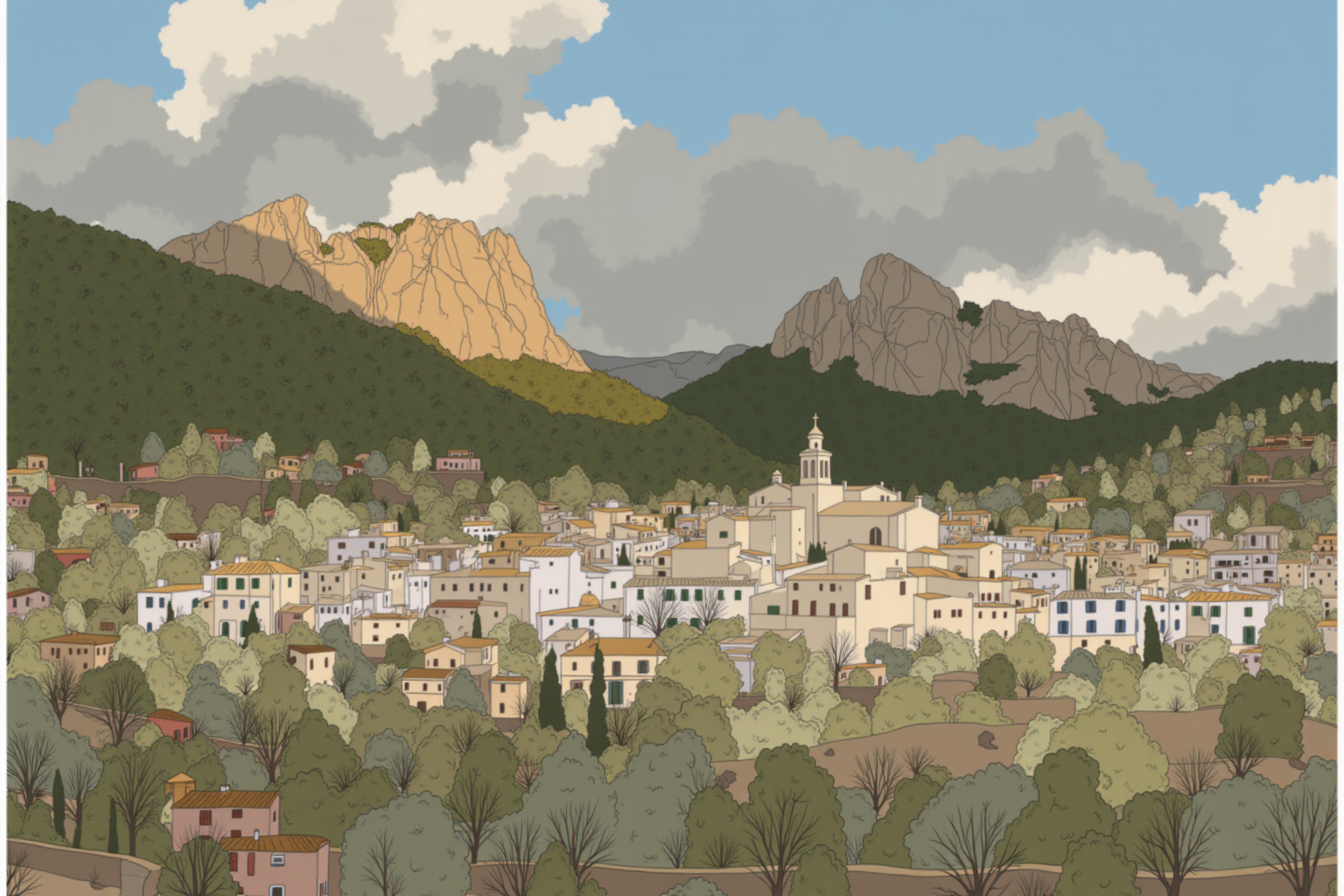
The property market in Alaro Mallorca took years to wake up, but the village’s character – paired with better roads to Palma and the coast – eventually pulled buyers in. Demand now covers both permanent homes and second residences. Most of what comes up for sale is the classic Mallorcan townhouse, varying by which corner of town you land in.
Buyers chasing rural charm tend to find it here. The architecture leans on traditional Mallorcan stone, and that’s exactly what people fall for in Alaro Mallorca. Stone-clad walls, patchwork sandstone, and the narrow lanes around Los Damunts feel pulled from another century. Developers regularly snap up old ruins, restore them, and turn a healthy profit.
Skip the centre and the outskirts open up something grander. Around Cami Es Raiguer and Son Fiol you’ll find country estates with real acreage – room enough for an olive grove, a vineyard, or a vegetable patch.
Where to Buy a Stone House in Alaró
Some of the island’s most expensive fincas sit on Alaró’s edges, where guest cottages, pool houses, and large outbuildings come as standard extras. If a quiet life in the Mallorcan countryside appeals, with Palma a short drive away, the village delivers options across every budget.
Los Damunts and Its Period Stone House Lanes
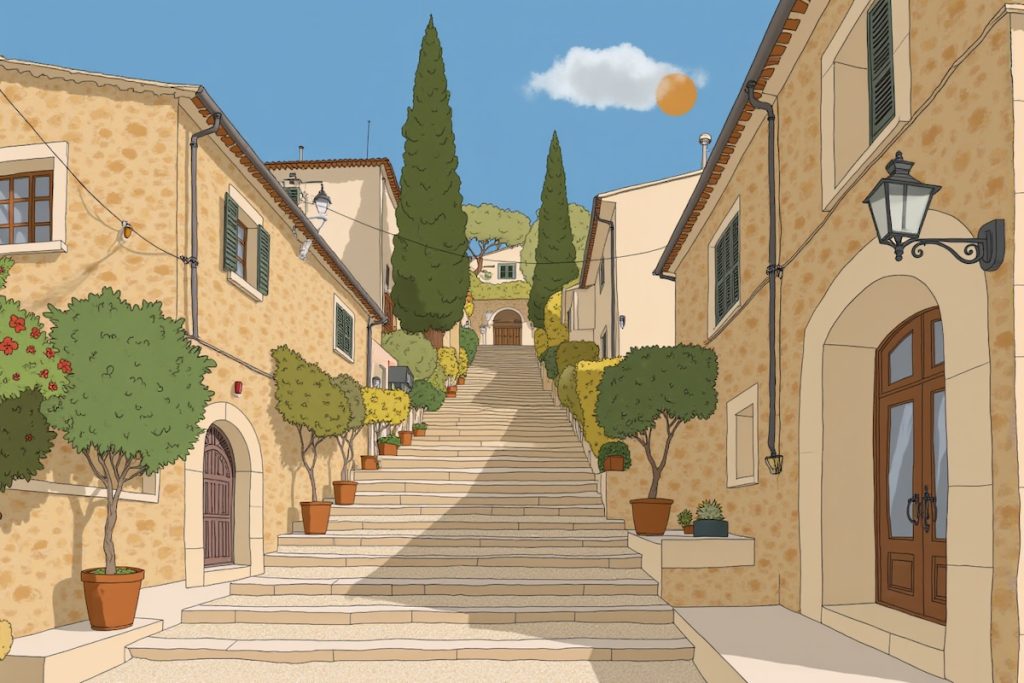
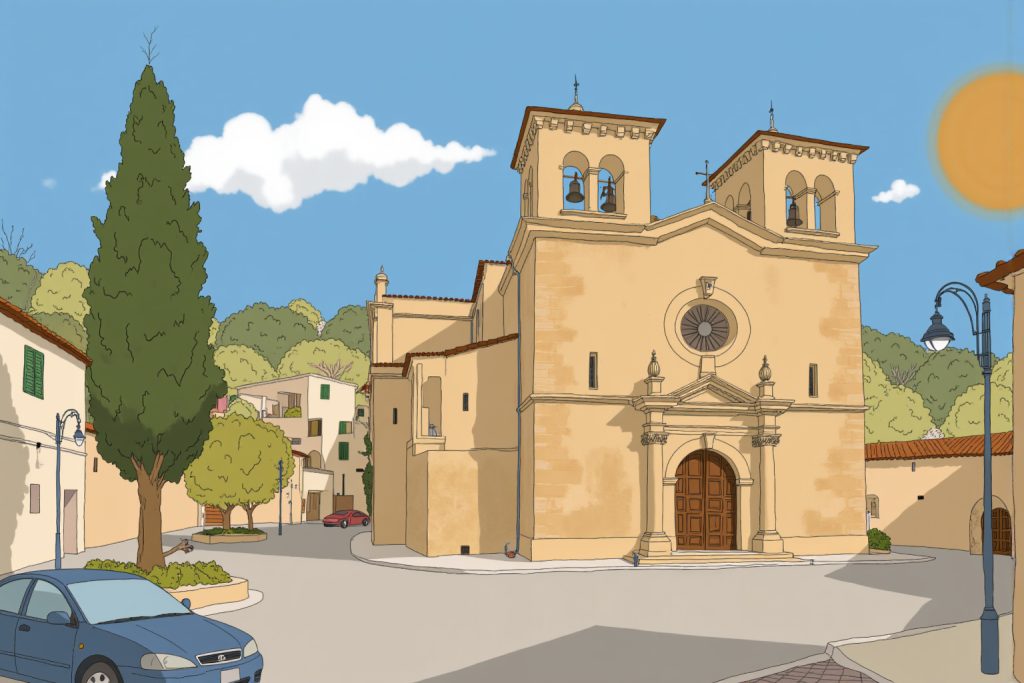
Los Damunts is the oldest neighbourhood and still the priciest. It holds beautiful period homes without the foot traffic of the centre, and centuries of history give it a feel all its own. Sitting on the west side of town, it’s defined by a picturesque stone house at nearly every turn, lining a 400-year-old oak forest. The streets are tight, walled almost entirely in traditional stone, and the small square – Cabrit y Bassa – has two restaurants of its own.
Ses Rotes
Ses Rotes occupies the upper village, where homes catch fantastic south-facing views over the town. Carrer Pujol runs the length of it. Most properties sit set back into the hillside, so expect an incline on approach. A garage or parking space matters here unless steep walks don’t bother you. Owners have made the most of all that sunshine with wide open terraces and gardens – part of the appeal of living in Mallorca on this side of the village.
Cami Es Raiguer and Son Fiol: Where the Finca for Sale Hunters Look
These two areas on the outskirts draw international buyers after land. The traditional stone walls continue out here, broken now and then by a gateway and a long winding drive. In Son Fiol, large country houses sit high above open ground, mostly olive groves. Cami Es Raiguer holds the priciest country homes in the area, many with outbuildings and acres attached. Anyone scanning the listings for a finca for sale with room for horses or livestock will find the right conditions in either spot.
The Trade-Offs of Living in Mallorca’s Alaró
What works in its favour:
- A broad range of property in and around town
- Easy road access to the capital
- Largely untouched by mass tourism
- Close to scenic mountains and unspoiled countryside
- Very low traffic
- Excellent hiking, with routes like Clot d’Almendra on the doorstep
- A 400-year-old oak forest nearby for weekend walks
- A balanced mix of international and local residents
- Close to traditional wine-growing areas
- Strong appeal for anyone investing in land
- Homes in Los Damunts that carry centuries of history
- Stables and outbuildings on many outskirts properties
Worth weighing before committing to living in Mallorca’s quieter interior:
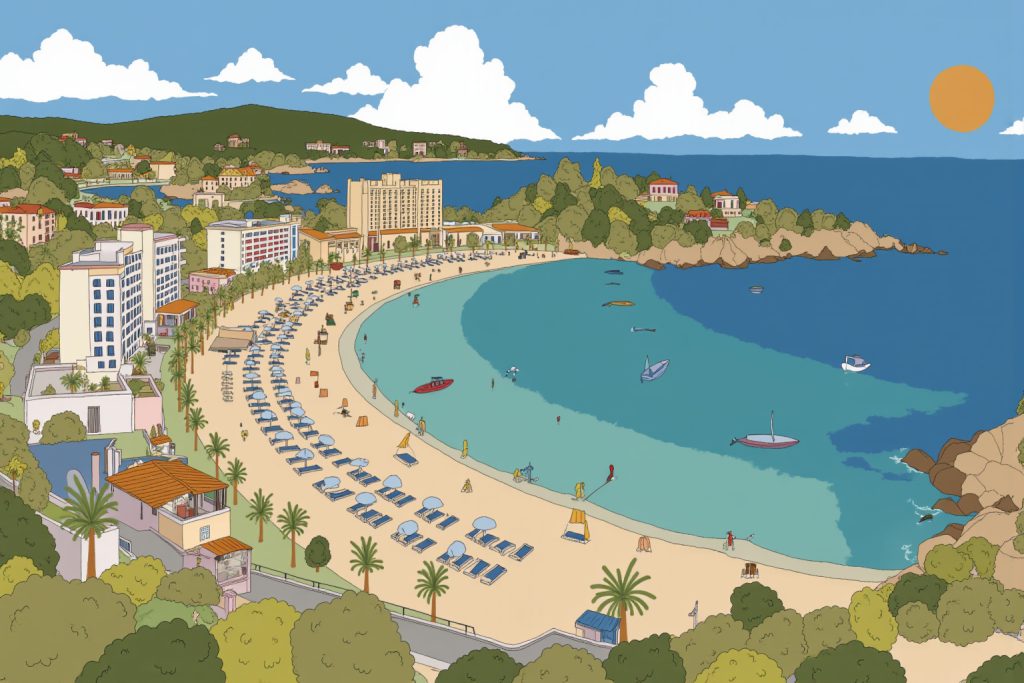
- No beaches nearby
- Rental stock is limited and expensive
- Winters can feel too still for some
- Steep terrain in places, Carrer Pujol especially
- Almost no public transport – a car is essential
- Older homes rarely come with heating or air conditioning
Types of Finca for Sale and Village Homes in Alaró
In the Village
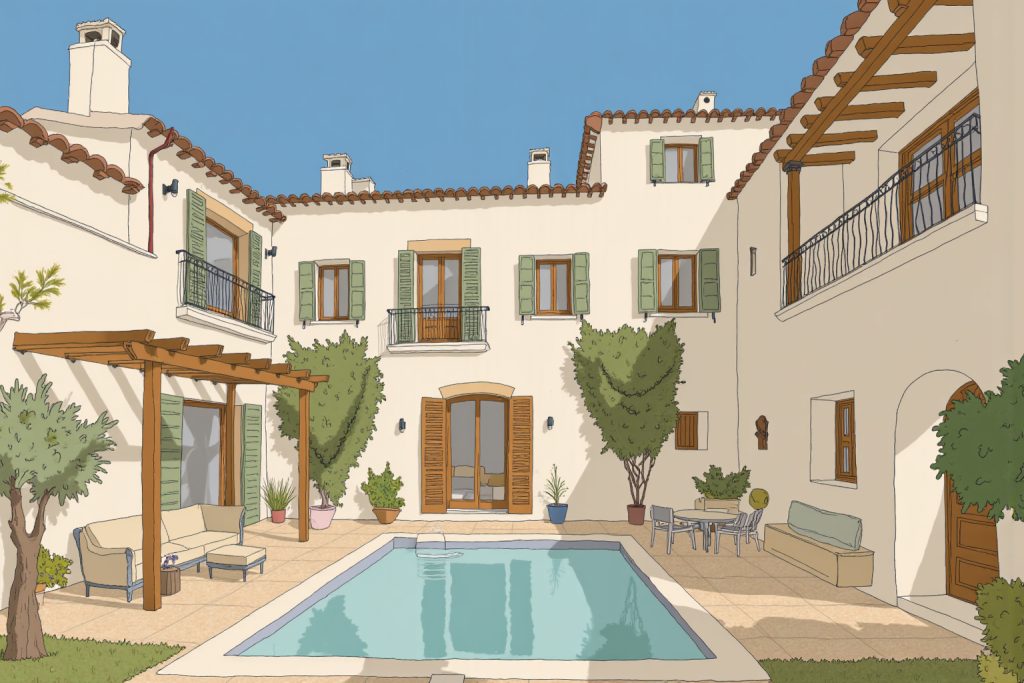
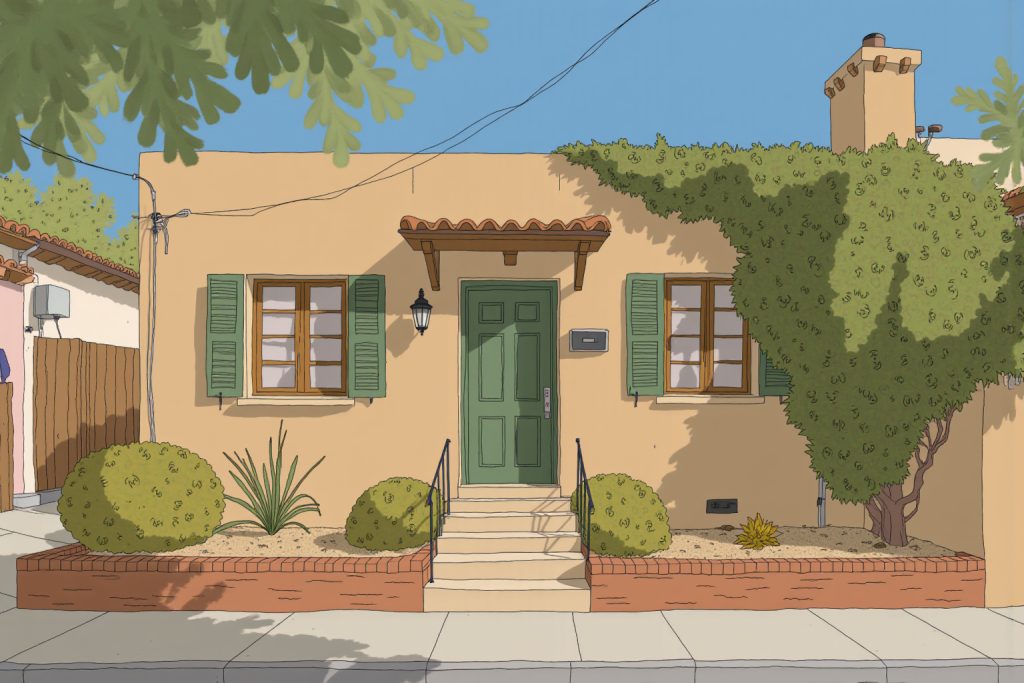
You won’t miss it: nearly everything in Alaró is a traditional stone townhouse. The architecture follows a familiar Mallorcan formula – emerald green shutters, terracotta roofs, sun-baked façades. The newer Ses Cases Noves area to the east holds property from the seventies and eighties with less period appeal, so styles do mix, though tradition dominates.
Townhouses in the centre often come with a backstory. Old fireplaces and ornate tiling turn up during restoration. Buyers here love rustic Mallorca and the simple life – these homes run cosy rather than contemporary. Flagstones and oak beams stay on show rather than hidden away. Full modern gut-jobs are rare; buy in the village and expect old-fashioned charm.
On the Outskirts
The countryside holds some of the island’s most lavish fincas and estates. A sweeping driveway usually ends at a grand farmhouse on acres of untouched land. Set in the foothills of the Serra de Tramuntana, these homes get both worlds: the village minutes away and views of its twin peaks.
Architecturally the rules loosen out here, though most owners stick with the same local stone, scaling the rustic look up to something grander. At several million, three-floor properties aren’t unusual – a large entrance hall fanning out into several living rooms, a country kitchen, a stately drawing room.
Space sells these properties. Even a small house moves fast if it comes with garden or land – for chickens, vegetables, or larger animals like horses and goats. The rural retreat dream is real here, whether near Cami Es Raiguer and Son Fiol or closer to Santa María and Binissalem.
Building Rules in the Tramuntana Mountains
Modern complexes and cutting-edge design don’t appear in Alaró, and there’s a reason: the area falls inside the UNESCO-protected Serra de Tramuntana. That shouldn’t stop anyone buying a plot and getting creative, but the rules exist to preserve the village’s rustic character. Certain restrictions require features like wooden shutters and local stone in any new design. Anyone planning to build or heavily renovate in the Tramuntana mountains should consult a project management firm early to keep plans within local building regulations.
What People in the Trade Say About Alaró
Agents working the area describe Alaró as a village inside the protected Tramuntana mountains, 20 minutes from Palma, full of stone-clad homes – many centuries old, charming and cosy. The blend of authentic village life and an international community stands out, and buyers respond to the nature, the quiet, and the hiking and cycling on offer.
Most buyers want a nicely reformed townhouse, typically between 300-600k, though there’s no ceiling – one townhouse in the heart of the village sold for 3.5 million in recent memory. Newly built or reformed country houses also move well, particularly along Cami Es Raiguer towards Santa Maria, the road towards Orient, and around Son Fiol with its views over the bay of Palma.
Services That Support Your Purchase
A move like this rarely happens alone. Buyers usually pull together a construction company, an architect for renovations, a property lawyer for the legal side, and an interior designer to navigate the island’s furniture scene. A reputable estate agent and a solid mortgage provider round out the team. The right local specialists – home design studios, architectural practices, mortgage brokers, kitchen makers, and builders – make settling into living in Mallorca far smoother.
The Inside Track
Alaró suits anyone after the rural Mallorcan lifestyle. It’s peaceful, built for outdoor living, and ranges from centuries-old townhouses in Los Damunts to the elevated, sun-soaked homes of Ses Rotes with their mountain views. Want more space and something more indulgent? Cami Es Raiguer and Son Fiol answer that. People who value privacy find it here. More expats have arrived in recent years, yet the village holds onto its local heritage and stays clear of modern excess.
People Also Ask About Alaró
Is Alaró worth visiting?
Yes – if you value authentic Mallorca over resort culture. Sitting at the foot of the Serra de Tramuntana, Alaró offers a calm, traditional counterpoint to the busy coast. The headline draw is the Castell d’Alaró, a medieval rock castle on a mountain peak reached by a popular hike that ends in panoramic views and a meal at the rustic Es Verger restaurant. The town square, Plaça de la Vila, is the spot for coffee and sandstone architecture. Add Saturday-morning markets selling local produce and wine, plus dining that ranges from open-fire cooking to contemporary art spaces, and you’ve got a town that balances old and new.
What is there to do in Alaró?
The mountains and local culture drive most of it. The 2-3 hour hike to the Castell d’Alaró is the biggest pull, ending at an ancient mountaintop castle with views across the island toward Puig Major. On the way down, Es Verger serves slow-roasted lamb shoulder – paletilla de cordero – that locals swear by. The Tony Mora boot factory lets you watch artisan riding boots made by hand on century-old machines. Beyond that, slow down in the village square with a coffee or a local beer, then visit nearby vineyards for tastings. It’s a town to settle into rather than rush through.
Pollença, Sóller, Alaró, Llucmajor, or Santanyí – which to choose?
With a car, almost anywhere on the island is roughly an hour away, so base yourself by priority. Pollença and Sóller score highest for travellers wanting good food, beaches, and connections – both are beautiful, well-placed, and not overrun. Sóller sits mid-west-coast, ideal for exploring north and south. Santanyí is relaxed and close to the beach but feels cut off from the rest of the island. Alaró is wonderful for living and a great base for visiting villages like Santa Maria, Bunyola, and Valldemossa, but it’s quiet and nowhere near the coast – not the pick if beach time is the goal.
When does tourist season begin in Palma de Mallorca?
Tourism stretches across more of the year now, but high season proper kicks off around mid-June and runs to the last week of August. Many shops and restaurants reopen in early-to-mid April, and May is a sweet spot – warm weather without peak crowds. Where visitors come from varies by area: British tourists cluster around Magaluf, Germans spread wider, with families around Alcúdia and Pollença and older travellers nearer Sóller. For hiking, head into the Serra de Tramuntana – Sóller, Deià, Banyalbufar, and Alaró all deliver strong routes.
What’s Mallorca like for an October visit?
October is one of the best months to come. The weather beats most of Europe, though heavy rainstorms become a small risk toward month’s end. Expect pleasant conditions for walking and hiking; sea swimming is possible but depends on the year. Good hikes include La Trapa, Galatzó, the Alaró castle, and Torrent de Pareis, ranging in difficulty. With the crowds gone, you can enjoy the big sights properly – drive to Formentor, wander Deià and Valldemossa, eat paella at Port de Sóller. Days are shorter, so plan accordingly, and pack for cooler autumn weather.
How much is a taxi from Palma to Alaró?
A taxi from central Palma to Alaró runs roughly €35 to €50, depending on traffic and exact drop-off. From Palma de Mallorca Airport (PMI), expect €50 to €60. The trip takes about 20 to 25 minutes.
Key details:
- Distance: ~22 km from central Palma; ~30 km from the airport
- Travel time: ~20-25 minutes
- Local taxis use a metered system, often slightly higher at night and on weekends
Booking a private transfer in advance secures a fixed price. If budget matters, the train is worth comparing.
What vineyards are there in Alaró, Mallorca?
Three vineyards sit at the foothills of the Serra de Tramuntana around Alaró, each with its own character. Bodega Oloron, 1.5 km from the village centre and formerly known as Vinyes d’Alaró, features an underground winery designed by architect Rafael Vidal and produces wines like Cabrit i Bassa. Son Antem is an organically certified estate dating to 1693, replanted by the Lidby family in 2019, spanning 18 hectares with 10 grape varieties and producing artisanal wines such as Vespre. Bodega Castell Miquel, founded in 1998, is known for its terraced “Stairway to Heaven” vineyards, sweeping views, and cellar tours.
Frequently Asked Questions
What kind of property is most common in Alaró?
Traditional Mallorcan stone townhouses dominate the village, built around a recognisable set of features: green shutters, terracotta roofs, and sun-baked stone façades. Many in the older quarters carry centuries of history, complete with original fireplaces, tiling, oak beams, and flagstone floors that owners tend to keep on display. The newer Ses Cases Noves area east of town offers seventies and eighties property with less period feel. Out on the edges, the picture shifts to large country fincas and estates – some among the island’s most expensive – set on acres of land in the Tramuntana foothills.
How far is Alaró from Palma?
Alaró sits about 20 to 25 minutes from Palma by car, roughly 22 km from the city centre and around 30 km from the airport. The improved road links to the capital and coast are a big part of why demand has grown over the years. That said, public transport is minimal, so a car is genuinely essential here – both for reaching Palma and for getting around the surrounding villages and countryside.
What’s the price range for buying a home in Alaró?
Most buyers focus on reformed townhouses priced between 300,000 and 600,000 euros, though there’s no real upper limit. One townhouse in the centre of the village sold for 3.5 million. Country houses and luxury fincas on the outskirts – particularly around Cami Es Raiguer and Son Fiol – climb into several million, often spread over three floors with extensive land, outbuildings, and guest accommodation. The land itself, whether for olive groves, vineyards, or keeping animals, frequently drives the value of properties beyond the village.
Can I build a modern house in Alaró?
Not freely. Alaró falls within the UNESCO-protected Serra de Tramuntana, which rules out modern complexes and cutting-edge architecture. You can still buy a plot and build, but restrictions require traditional elements – wooden shutters and local stone among them – to preserve the area’s rustic character. Anyone planning new construction or a major renovation should consult a project management firm early to confirm the design meets local building regulations before committing.
Who tends to buy property in Alaró?
The buyer mix is fairly balanced between international and local residents, which is part of what keeps the village authentic. People drawn here generally want rural character and a quieter pace – lovers of the simple, rustic side of Mallorca rather than contemporary coastal living. International buyers often gravitate toward the outskirts in search of land for olive groves, vegetable gardens, or animals. The town also appeals to higher-profile individuals seeking privacy, since it stays well off the main tourist track while remaining a short drive from Palma.