After enough holidays here, some people stop counting the flights and start counting the reasons to stay. That shift – from visitor to resident – is what moving to Mallorca really means, and it changes everything about how you see the island. You trade hotel check-outs for a front door of your own and weeks for years.
The largest of the Balearic Islands has Mediterranean beaches a short drive from the mountains, a multilingual business community, and a steady flow of newcomers who arrived before you and worked out the practicalities. Moving to Mallorca is easier now than it was two decades ago, when the island still wore its reputation as a package-holiday and party destination. Today it draws people who want slow, sunlit, Mediterranean living.
Why Living in Mallorca Appeals to So Many People
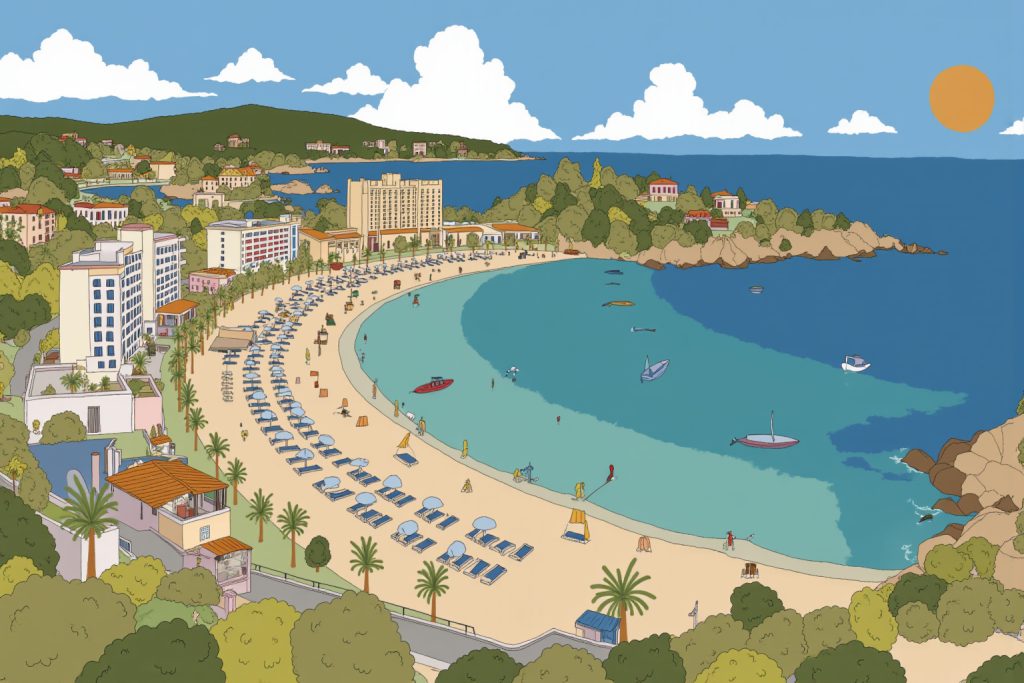
You won’t have to explain the decision to anyone. The scenery does the convincing on its own – sandy coves, the Serra de Tramuntana rising behind the coast, and roughly 300 days of sun a year. Add the property styles, the food, and the schools, and the case makes itself.
For anyone arriving from outside Spain, the island is unusually easy to settle into. Living in Mallorca means joining a community drawn from across the world, where English gets you through daily life if Spanish isn’t your first language. Few islands of this size carry such a dense concentration of international businesses and services, which is exactly what makes the practical side of relocation manageable.
Doing Your Research Before Moving to Mallorca
Relocating to a new country is a serious project, and the island you holiday on behaves differently when you live there year-round. Before moving to Mallorca, talk to people who already made the jump.
Foreigner-run social media groups are a good starting point. General “ask anything” Facebook groups exist, and many towns and regions run their own local branches with insider detail you won’t find in a brochure. The aim is simple: understand daily life here before you land in Palma, so the surprises are pleasant ones.
It helps to ask about the unglamorous parts too – winter humidity, parking, heating – not just the beaches.
Where to Live in Mallorca
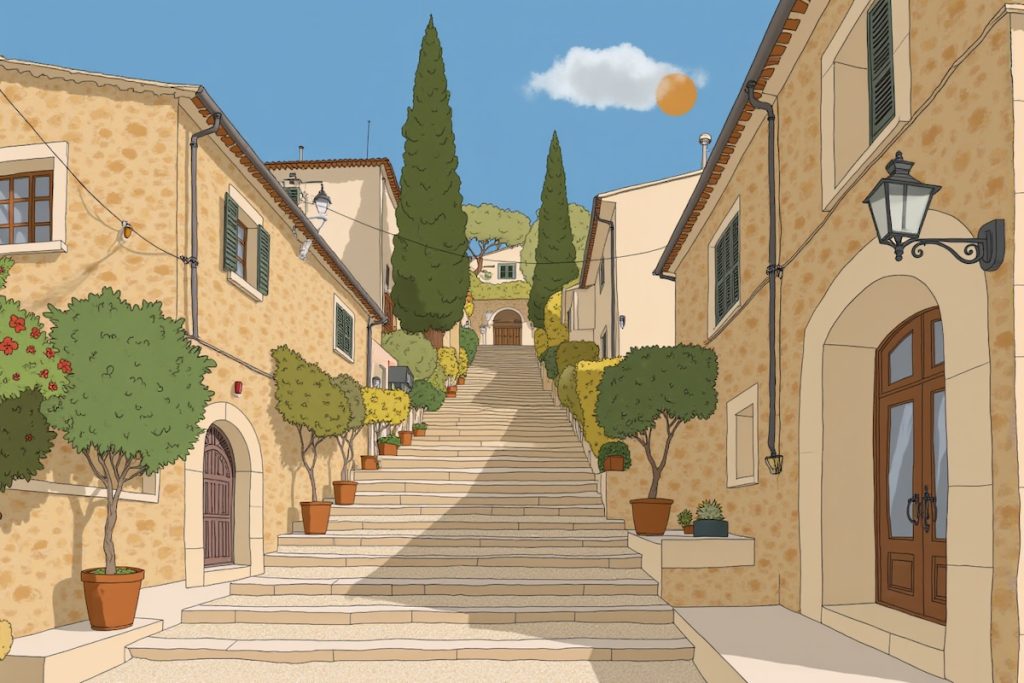
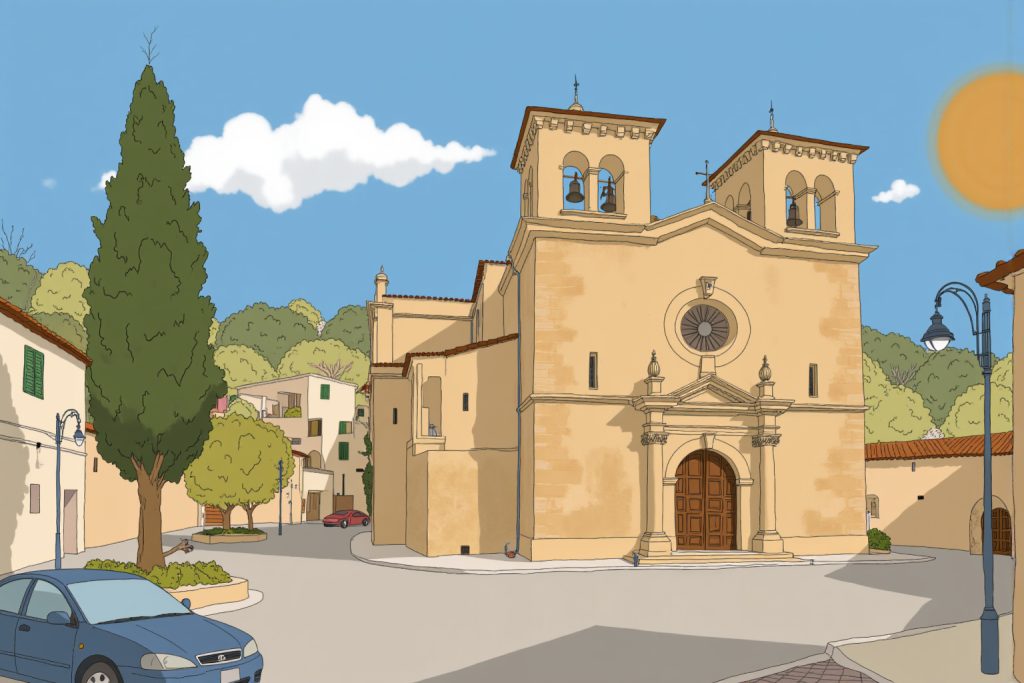
Once Mallorca is the plan, the next question is which part of it. Push aside any image of the island as one long stretch of clubs and resorts. Tourism matters to the economy and the hotel zones are real, but vast areas of the island sit untouched by it – mountain villages, working farms, quiet ports.
The island divides into six distinct regions, each with its own character. Deciding where to live in Mallorca is worth real effort, because the location shapes the property you can buy, the price, the views, the local services, and how far you sit from the airport or the sea.
A practical approach: narrow your shortlist to two or three places – Santa Maria, Bendinat, and Sóller, for example – and stay a couple of weeks in each. Talk to locals, walk the streets at different hours, and get a feel for the rhythm. If you’re moving with children, book school visits at the same time, because that single factor often decides the whole search.
Finding the Right Place to Stay in Mallorca Before You Commit
The smartest move before buying is to rent short-term across different parts of the island. Deciding where to stay in Mallorca for a few months, region by region, teaches you more than any viewing ever could. Buying a home here is quick; selling one in the wrong area can take three to five years.
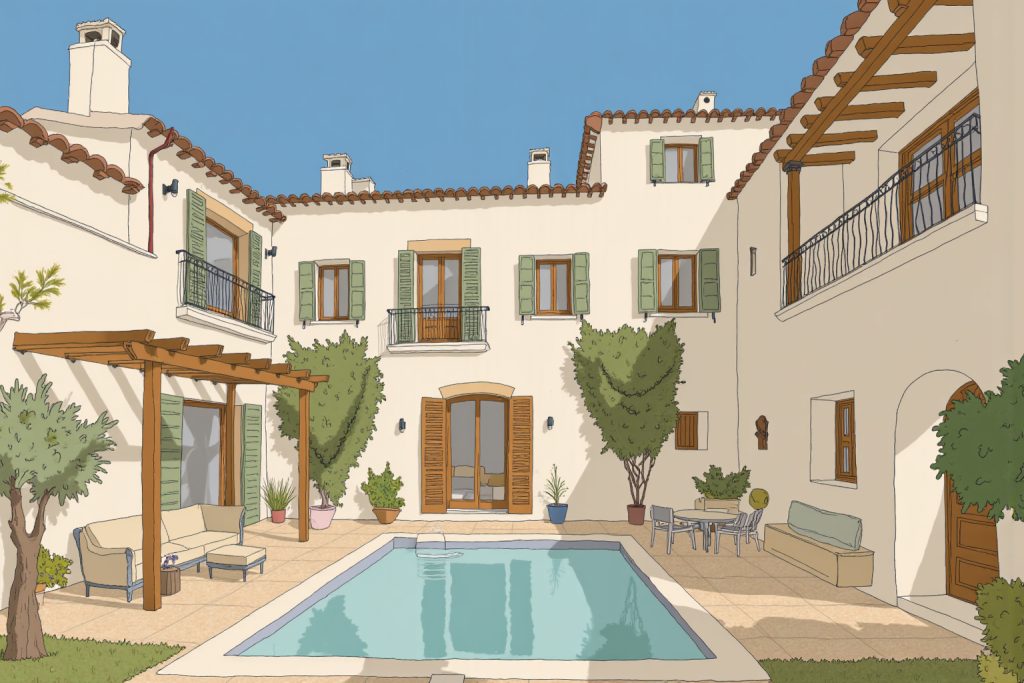
Once you’ve fallen for an area, start looking at property in person and view several types of home to understand what’s actually available. In places like Formentor and Deià, listings appear rarely, so if you want a specific style, factor patience into your timeline. Elsewhere the right home might surface within days.
Building from scratch takes longer and involves more hoops. A trusted local architect helps you read the planning laws and secure permission. Spanish bureaucracy moves slowly, and anything routed through local government will test your patience.
Choosing a Real Estate Agent Where You Want to Live in Mallorca
The agent you pick largely determines the home you end up with. Most agencies cover the whole island, but choose one rooted in your target area – ideally someone who lives there. A local agent can speak to planning rules, schools, and the texture of daily life, not just the floor plan.
Ask hard questions and push on the downsides. Mallorca is mostly sun and turquoise water, but some Tramuntana properties stay damp, parking in Palma is scarce, and plenty of houses lack air conditioning or central heating. A good agent tells you these things before you sign.
Buying a Property and Settling Into Life in Mallorca
Choosing your home is the joyful part. The paperwork that follows is not, and it deserves an independent property lawyer rather than the agency’s in-house option. An independent lawyer puts your interests ahead of the sale.
A specialist will explain the legal system before you sign anything, and buyers from other countries are often caught off guard by how different it is. If you’re not paying cash, the same lawyer can point you toward suitable mortgage rates and the bank loan that fits your situation. Getting this right is what makes long-term life in Mallorca calm rather than stressful.
Renovating Your Home and Adapting to Living in Mallorca
Many island houses sit in a charming time-warp, which often means no central heating and no air conditioning. Part of living in Mallorca is updating these homes to modern comfort without stripping their character.
An interior designer can modernise and reflect your taste; a larger overhaul calls for a local construction company. Most newcomers take on some kind of renovation – it’s natural to want home comforts you can’t quite leave behind. The island’s furniture stores are worth exploring, and shipping is no barrier. Designers based here work with suppliers worldwide, stocking everything from Asian wooden tables to British crockery.
Starting a Business When Living in Mallorca
For some, the move is a business venture. A large foreign market gives the island a solid base, but the rules of any startup apply: research the market and know who you’re selling to. If you depend on tourism, learn the seasonal swings. Many businesses close from November to March and earn through the rest of the year. Palma is the exception, where trade stays steady year-round.
Networking is how you learn the market – online and at in-person events. Business lunches and meet-ups are common, and they’re as useful for understanding the terrain as for finding clients.
Learning Spanish While Living in Mallorca
As one of Europe’s busiest holiday destinations, the island serves the foreign market well. Many businesses operate in English, some in German, French, or Swedish. With little or no Spanish, you’ll get by in most places, and the more touristy the area, the easier daily life becomes in another language.
That’s no reason to skip the language. If you’re investing your future here and want to integrate, learning Spanish – and ideally Mallorquín – is strongly advised. In a small village, your local butcher or grocer is unlikely to switch to English or German, and the effort earns goodwill.
Palma holds the most language schools, exchange meet-ups, and classes. Its international community also makes it easy to study other languages, from Chinese to Italian to French.
Choosing Among the International Schools in Mallorca
The island suits children. Life leans outdoors, and family weekends run on hiking, swimming, and beach time. For most relocating parents, finding a school that matches that quality of life ranks near the top of the list.
There’s a wide choice of international schools in Mallorca, with several curriculums available – British, IB, American, French, and German systems among them. Most carry waiting lists, so time your move to the school calendar and apply early. Some have far fewer places than others, and a spot at your first choice is never guaranteed.
Leave room for a few open days and ask plenty of questions, because each school carries its own trade-offs. Note that most international schools cluster around Palma, so weigh the commute if you settle outside the city. Trilingual schools, teaching in Spanish, Catalan, and German, can be demanding for children arriving without the languages.
Making Friends and Healthy Living in Mallorca
Building a social life in a new country is hard, more so without children to connect you. The island has a reputation for being tricky to network in, usually because newcomers simply don’t know which clubs and events exist. Local community forums and town Facebook pages fix most of that.
Volunteering is one of the better routes in. Beach cleans run across the island and welcome all ages – groups like the Save the Med Foundation’s “Dos Manos” do real work toward a plastic-free Balearics.
On health: register with a local medical centre as soon as you arrive, so you’re covered in an emergency. Public and private facilities are both strong, and you can usually be seen in your own language. The state system is good but slow, which is why many newcomers carry private health insurance – rates here run well below many European equivalents, and existing cover from home is sometimes transferable. The wellness sector has grown sharply, with yoga, raw food, herbal remedies, Ayurveda, and Chinese medicine all easy to find.
Enjoying Your New Home
Once you’ve settled, the job is to enjoy it. The weather alone sets a good baseline, and you can leave grey skies behind for the Mediterranean life you’ve been planning for months or years.
Hire a car in the first few months and explore properly. The island hides secluded beaches without a footprint in sight, and inland markets sell produce grown a few fields away. Small as it is, Mallorca shifts character from one coast to the next – a patchwork of sights, tastes, and colours worth getting lost in.
A last honest word: relocating is never a tidy three-step process. The beaches and sunny balconies can make Spanish life look effortless, and in part it is, but choosing the right town, the right school, and settling in well all take time. Feeling at home here is not instant – and that’s normal.
People Also Ask About Moving to Mallorca
Is moving to Mallorca a good idea?
It’s a strong choice if you value Mediterranean living, good infrastructure, and easy international connections – provided you budget carefully. The upsides are real: over 300 days of sun, mild winters, landscapes from sandy beaches to the rugged Tramuntana, a well-established expat community, and direct flights across Europe from Palma. The downsides are equally real. The cost of living in Mallorca runs higher than the mainland, affordable housing is scarce, and summer brings heavy crowds. Comfortable living generally needs roughly €2,100 to €2,600 a month. Off-season, many seasonal restaurants and shops close and the island quiets down. Some Spanish or Catalan helps with integration and work.
Can I speak English in Mallorca?
Yes. In tourist areas, hotels, and resorts, English works as the main visitor language, and you’ll manage easily in places like Palma and Port de Sóller. Restaurant staff, hotel teams, and tour operators in busy hubs generally speak it, and the large international population means English is widely understood in rented accommodation. The caveats: the official languages are Spanish and Catalan, locally called Mallorquín, and outside the resorts – in traditional villages or dealing with builders and electricians – English thins out fast. You can get by on English alone, but learning a few basic Spanish greetings goes a long way with locals and opens doors English never will.
Will passable Spanish be enough in a small village?
For most practical purposes, yes. Locals in towns like Sa Pobla can usually tell from your accent that you’re not from the island and are happy to help over any language gap. Spain’s population mixes Mallorquíns with people from the mainland and Latin America, and everyone learns Spanish at school, so you’ll be understood. Dealing with builders, electricians, and shopkeepers works fine in Spanish. You’ll pick up bits of Catalan and Mallorquín naturally over time, and making the effort earns real goodwill. If you plan to work in the public sector, note that a Catalan certification is often required – rules shift with the government in charge.
How much money do you need to live in Mallorca?
The cost of living in Mallorca depends heavily on how you live. A shared room runs €300-600 depending on location; a normal flat averages €900-1,200, with villas climbing into four or five figures. Water runs roughly €40-75 depending on the municipality, with electricity in a similar range. Internet is €20-60 depending on speed. A weekly food shop lands around €70-90 for one person buying meat and vegetables. Private health insurance runs €30-70, car insurance €150-300. As a rough guide: surviving in a shared house costs around €900 a month, while living alone with a decent life runs closer to €2,000.
Are there good international schools in Mallorca?
Yes – the island has a wide range of international and bilingual schools serving its large expat community. They offer internationally recognised qualifications: the British curriculum and A-Levels, the International Baccalaureate, the American curriculum, and French and German systems. Most sit in or around Palma and the southwestern region. Established options include Baleares International College, Bellver International College, King Richard III College, and Agora Portals, alongside an American-curriculum school and Montessori and alternative options. Within Palma itself, schools in the “zona colegios” area carry strong overall reputations, though English-language strength varies between them. Waiting lists are standard, so contact schools as early as possible.
Frequently Asked Questions
What visa do I need to move to Mallorca?
EU citizens have the right to live and work in Spain but must register for a residency certificate when staying beyond 90 days. Non-EU citizens need a long-stay visa – commonly the Digital Nomad Visa for remote workers, or the Non-Lucrative Visa for those with sufficient independent income and no intention to work in Spain. Every foreigner, regardless of nationality, needs an NIE (Número de Identidad de Extranjero), the Spanish tax ID number required for almost any administrative task, from opening a bank account to buying property.
What administrative steps come first when I arrive?
Start with the empadronamiento – registering your local address at the town hall (Ayuntamiento). Then apply for your physical residency card, the TIE, at the immigration office in Palma. For healthcare, public cover generally requires contributing to the social security system, which is why many newcomers take private health insurance instead. Most of this paperwork can be handled by a gestor, an administrative agent that locals and foreigners alike use to navigate Spanish bureaucracy. However prepared you feel, expect to be told you’re missing a document on the first attempt – it’s part of the process here.
Do I need a car in Mallorca?
For most people, yes. The island is small, but public transport largely runs to and from Palma, and intervillage bus links – while regular – are sparse. If you own a car here you pay annual road tax and pass the ITV inspection (the Spanish equivalent of an MOT) once a year for vehicles over four years old, every two years for newer cars. Most mechanics will take your car through the ITV for a small fee. Living here long-term, you’ll also register your licence with the traffic authorities. Importing a vehicle means registering it at the Tráfico office in Palma and paying import tax.
Should I rent before buying a property in Mallorca?
Yes – this is the single most useful piece of advice for anyone relocating. Stay on the island through the humid, quiet winters before committing to a purchase. Buying a home here is fast and easy; selling one in the wrong area can take three to five years. Renting short-term across two or three different regions teaches you what daily life actually feels like – the commute, the winter quiet, the neighbours, the parking. The rental market is tight and competitive, with limited stock and high demand driven partly by remote workers and retirees, so start your search early and expect to move quickly when something suitable appears.