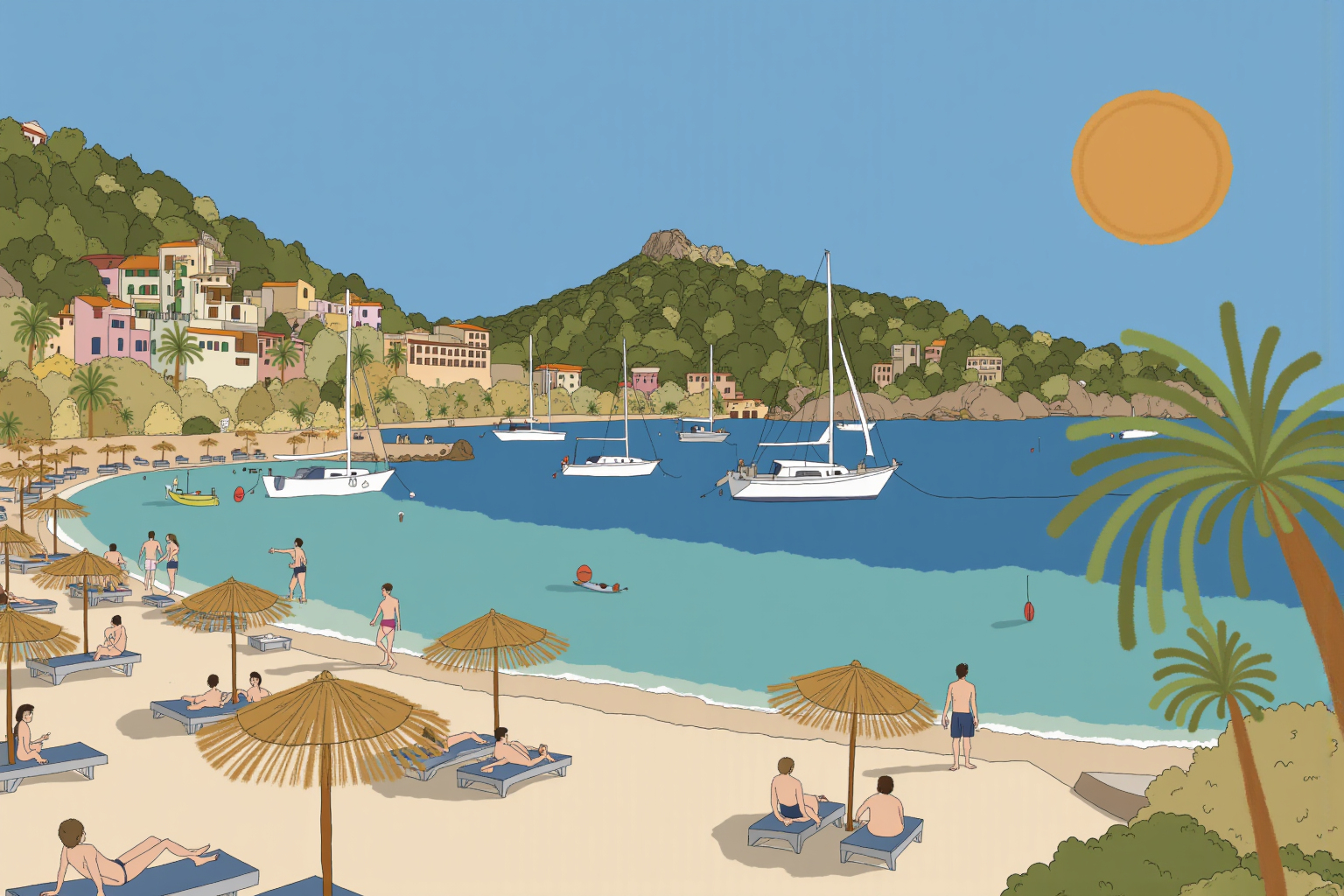
Most people who end up living in Mallorca arrived first as holidaymakers and never quite shook the feeling. The island has a way of pulling at you – the boutique shops tucked into Palma’s Old Town, the championship golf in Son Vida, the late cocktails in Santa Catalina. Once that hook sets, putting down roots starts to feel inevitable. For thousands of newcomers, living in Mallorca usually narrows to one of two instincts: a home in the Serra de Tramuntana, or a home near the sea. That is the whole point of the move for most – to slow the pace down and live well in the Mediterranean. Choosing the right corner of the island, though, takes a little local knowledge.
Why People Choose Life in Mallorca
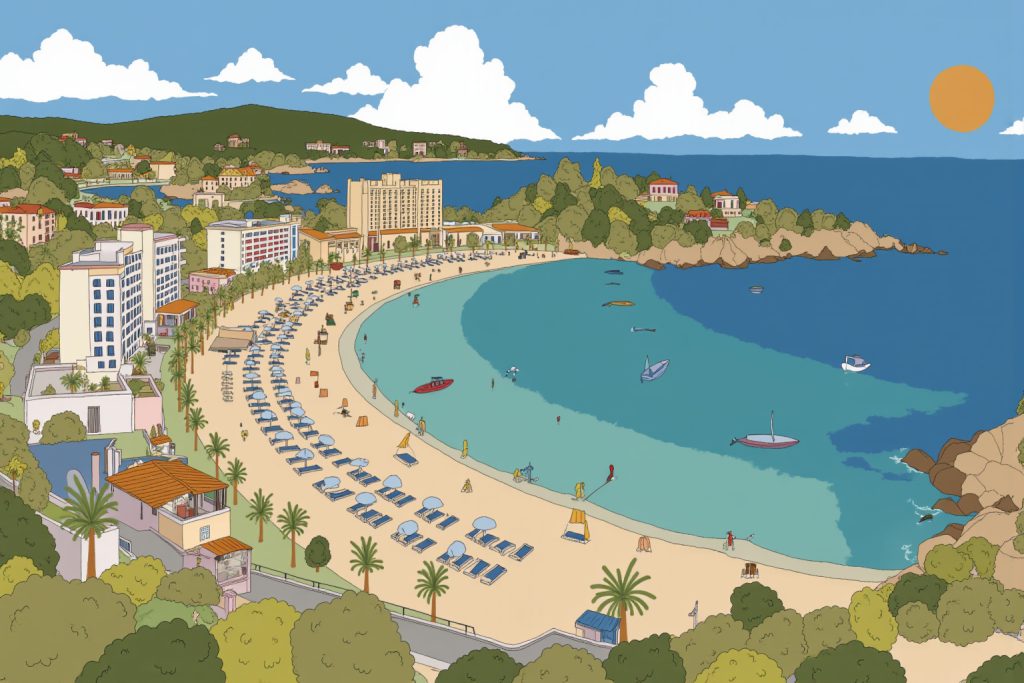
The case for life in Mallorca is rarely complicated. The sea is where most arrivals want to be, and the southwest holds the most exclusive addresses – Bendinat, Portals Nous, Port Andratx and Camp de Mar command some of the highest property prices anywhere on the island.
If authenticity matters more than glamour, the northwest pulls you toward Deià, Sóller and Valldemossa, the villages of the Serra de Tramuntana where international names quietly take their summers. Following the path of the old local aristocracy leads to Puerto Pollensa, Alcúdia and Formentor, where sea-view living comes with a sense of history.
Rural life sits in the centre – Alaró, Santa María, or further northeast toward Artá. Tourism thins out here, and a large country finca buys real quiet.
Living in Palma de Mallorca
Living in Palma de Mallorca carries weight across Spain, not just the island. The capital is known nationally for its architecture, its cultural life and the sheer beauty of its centre – one walk around La Seu Cathedral and the Old Town settles the argument. Palma is a city of distinct neighbourhoods, each with its own character, all built around the same healthy Mediterranean rhythm.
Son Vida is the most exclusive district, holding the city’s highest property prices and the best vantage over Palma Bay. Three prestigious golf courses run through it, edged with manicured lawns and lakes, and the area draws a long roster of successful business families.
Santa Catalina is Palma at its liveliest – international kitchens, nightlife and a buzzing market all packed together. Its closeness to the Paseo Marítimo and the harbour makes it a favourite with the yachting crowd, and unlike much of the island, it keeps its pace through winter. People from across the world gather in its bars year-round.
Portixol sits quieter, right on the water, with luxury sea-view apartments and a strong local restaurant scene. A 15-minute cycle drops you in the city centre.
Southwest Mallorca: Where the Property Gold Lies
Ask where the most expensive homes in Mallorca Spain are, and the answer comes back without hesitation: the southwest. Portals Nous, Bendinat and Port Andratx sell at the same level as Son Vida, often reaching into the millions. Property reports consistently put this region at the top for sales volume and for interest from overseas buyers.
Investing here brings glorious beaches within reach, strong international schools such as Agora Portals International School, and a deeply cosmopolitan community. Portals Nous, Illetas and Santa Ponsa carry British, German and Scandinavian threads that run through the food, the architecture and the social scene. English and German are widely spoken, which softens the landing for newcomers. Port Andratx and Puerto Portals are the glamorous end – designer boutiques, high-end dining – while the marina at Port Adriano keeps a full calendar of music, art, theatre and classic cars.
The harbours define this region. The nautical industry is enormous, bringing hundreds of superyachts to Mallorca’s shores each year, which is why yacht owners looking for a second home gravitate here and find a ready community of like-minded people.
For something more rustic, head north of the region to Banyalbufar and Esporles. Set deeper into the mountains, these villages offer a greener kind of luxury, where a vineyard or a working plot of land becomes a realistic proposition.
Coastal and Mountain Pockets of the Southwest
- Bendinat – luxury villas, world-class golf and a calm air that keeps it among the island’s most exclusive.
- Portals Nous – a friendly cosmopolitan town, livened by the summer crowds and the yacht marina on its doorstep.
- Puerto Portals – one of Mallorca’s most opulent marina complexes, a 10-minute drive from Palma.
- Santa Ponsa – residents will tell you it has the best weather on the island.
- Camp de Mar – a white sandy beach and hillside homes.
- Illetas, Cala Mayor & Cas Català – low-key resorts and an exclusive hilltop community, all close to Palma.
- Port Adriano – one of Europe’s most modern marinas, with an outdoor lifestyle and good dining.
- Sol de Mallorca – tranquillity, virgin bays and pine-scented surroundings.
- Port Andratx – sought-after villas and apartments around a vibrant working port.
- Banyalbufar – UNESCO protection has frozen it pleasantly in time, a small Mallorcan village between mountains and sea.
- Esporles – prized terrain for those serious about wine and olive production.
Northwest Mallorca for Mountain Lovers
Photographs of famous faces on the island are nearly always taken in the northwest, and the reason is obvious. This is the heart of the Serra de Tramuntana and, for many, the prettiest stretch of Mallorca. Unspoiled Mediterranean landscape runs across thick woodland, pebbly coves and traditional fincas – a genuine place to disappear from the spotlight.
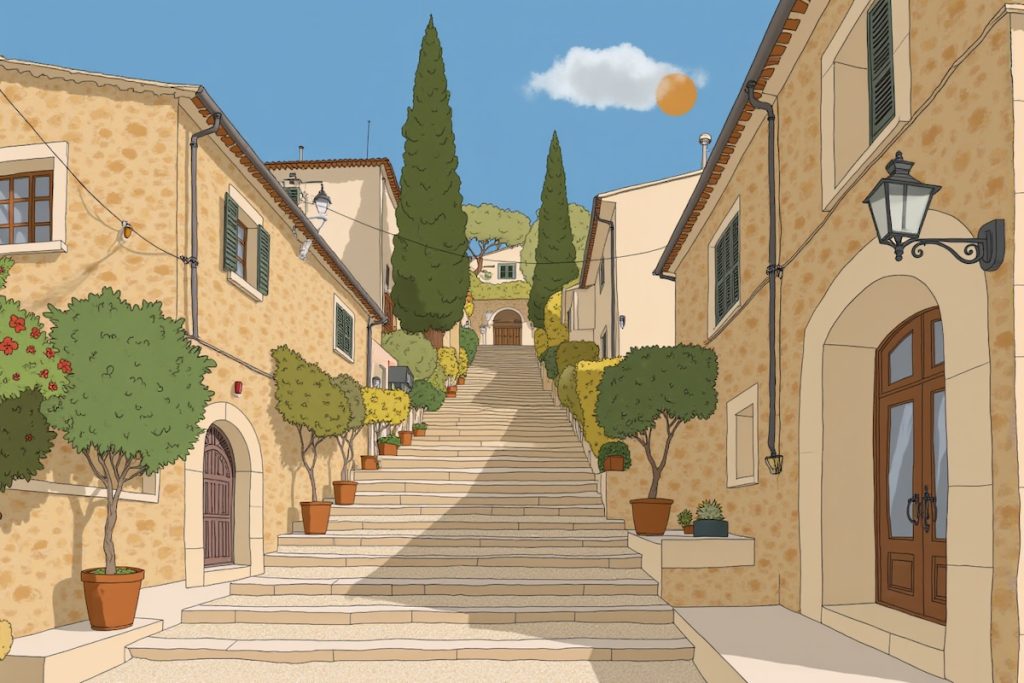
Artists find sanctuary in Deià, Fornalutx and Valldemossa, reachable only by narrow, winding roads. The mountains are at their most dramatic here, ideal for hiking, cycling and rock climbing.
Rustic as it is, the area has not escaped the attention of the wealthy chasing authentic Mediterranean life, and that demand has pushed its real estate firmly into the luxury bracket. Along the coast, Sóller and Port de Sóller see a summer spike in visitors, though the tourism leans heavily toward health, wellness and sport. The Sóller tram pulls crowds, but they rarely concentrate – most people spend their time out in nature. The northwest holds onto its calm despite the draw.
The northwest is dominated by the Serra de Tramuntana, a 90-kilometre mountain range and UNESCO World Heritage Site, blending rugged alpine peaks with the Mediterranean – dramatic hiking trails, olive groves and historic stone villages.
Top Mountain Destinations in the Northwest
For anyone weighing mountain life in Mallorca, these are the anchors:
- Sóller – the “Orange Valley”, sitting in a lush bowl ringed by peaks including Puig Major (1,445m), the island’s highest.
- Deià – a historic artists’ enclave on a steep hillside where mountains meet the sea, with scenic, dramatic walks.
- Valldemossa – the highest town on the island, surrounded by dense forest, with cobbled streets and access to climbs like Puig de Galatzó.
- Fornalutx – often called Spain’s prettiest village, a honey-stone settlement deep in the mountains and a haven for cyclists and walkers.
Premier Hikes & Climbs
- The Dry Stone Route (GR 221) – 90 kilometres of ancient paths connecting villages from Andratx to Pollença.
- Puig de Massanella – at 1,365 metres, the highest peak hikers can actually access, since the taller Puig Major is restricted military property.
- Castell d’Alaró – a moderate climb to a mountaintop fortress with panoramic valley views.
- Torrent de Pareis – a rugged canyon hike that carves down to the sea at Sa Calobra.
Expert Local Advice
- Accessibility: the region sits just 35 to 45 minutes by car from Palma or the airport.
- Driving: roads are narrow and famously winding, most notably the Ma-2141 to Sa Calobra.
- Best Time to Go: the mild climate makes autumn, winter and spring ideal for walking, away from the intense summer heat.
Northeast Mallorca: A Base for the Outdoors
The northeast wins people over for several reasons, but for the outdoorsy it’s the cycling and hiking that seal it. The Serra de Tramuntana reaches across the top of the region and shapes how residents spend their weekends. Sport sits high on the agenda, particularly in Alcúdia and Port Alcúdia, which have become synonymous with cycling on the island. Both the Ironman and 321 Mallorca run here, and the area has turned into a training base for international cyclists and professional teams.
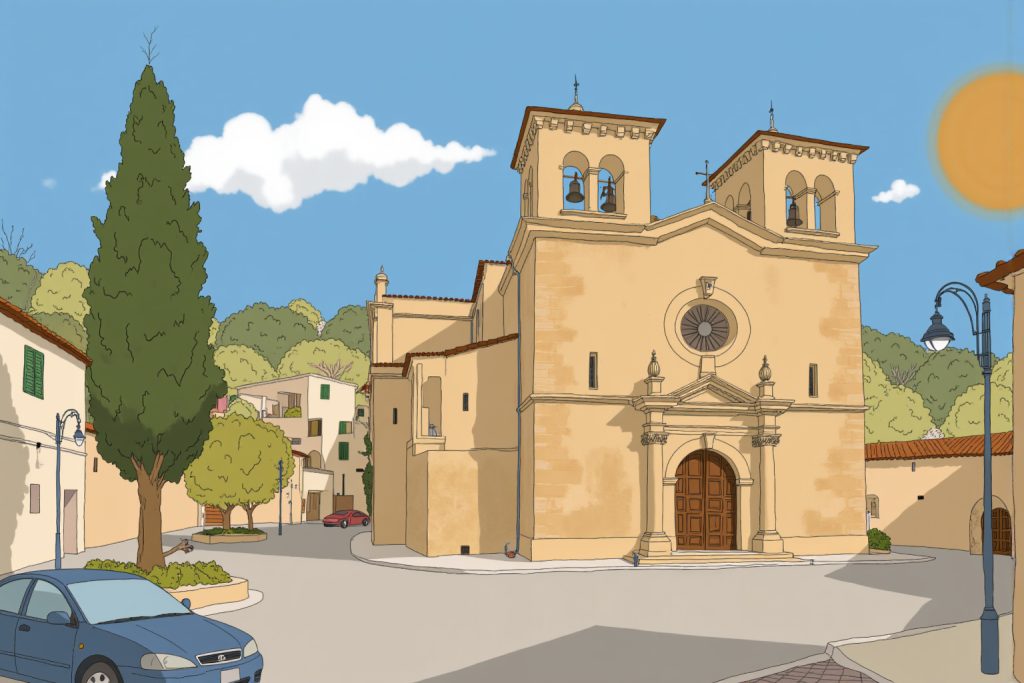
The British have a long fondness for this region, and interest climbed further after a well-known BBC drama was filmed nearby. In places like Puerto Pollensa the restaurant and social scene reflects that. Yet there are two sides to the northeast: visitors swell in summer and second homes fill up, but a warm year-round community holds steady. Many buy here for the front-line villas and the traditional town life. Alcúdia and Pollensa both have handsome squares that host local festivities and draw a lively international mix.
Quieter still is the eastern edge – Artá and Canyamel – where German visitors and residents dominate. That contrasts with Formentor at the tip, whose viewpoint and lighthouse pull travellers from everywhere.
Coast and Town Life in the Northeast
- Puerto Pollensa – a long-standing family resort now drawing a growing expat population.
- Port d’Alcúdia – an active base for cyclists and hikers, ideal for families.
- Formentor – busy in summer but loved for its peace, sheltered by Tramuntana pines.
- Canyamel – no longer a sleepy paradise, now one of the island’s most luxurious places to buy.
- Alcúdia – inside the medieval walls, a vibrant town with a huge cycling scene.
- Pollensa – one of the prettiest towns, with residents hiking Puig de Maria at weekends.
- Artà – a special blend of nature, heritage and modernity.
Southeast Mallorca: Laid-Back and Unspoiled
The southeast is the island’s relaxed corner, defined by unspoiled farmland and country villas. It holds Cala d’Or, a family-friendly beach resort, but it’s the scattering of quiet coves and the Mondragó natural park that set the tone. Buyers chasing rental investment do well here – the Rafa Nadal Academy just outside Manacor brings students and families from around the world.
Santanyí appeals to anyone after upmarket year-round living, with a busy weekly food market, good interior stores, boutiques and cafés. Beautiful stone fincas dot the outskirts, occasionally surfacing as renovation projects. In recent years the town has become popular with German and Scandinavian residents, and that has shaped the business sector – real estate and interior design in particular are rooted in the wealthy German community.
Toward the coast you find sheltered beaches and quiet ports like Portocolom. Locals often keep holiday homes here, which turns the port into a luxury hotspot in summer. Visitor numbers never approach Sóller, Alcúdia or Puerto Pollensa, so slow Mediterranean living survives here even in high season.
Towns and Ports of the Southeast
- Cala d’Or – a resort that rises above the average, with a solid property scene.
- Portocolom – an east-coast fishing village with maritime spirit and a slower pace.
- Santanyí – strong on living quality, hotels, restaurants and local events.
- Llucmajor – hard to beat for authentic, traditional Mallorcan town life.
Living and Working in Mallorca’s Rural Centre
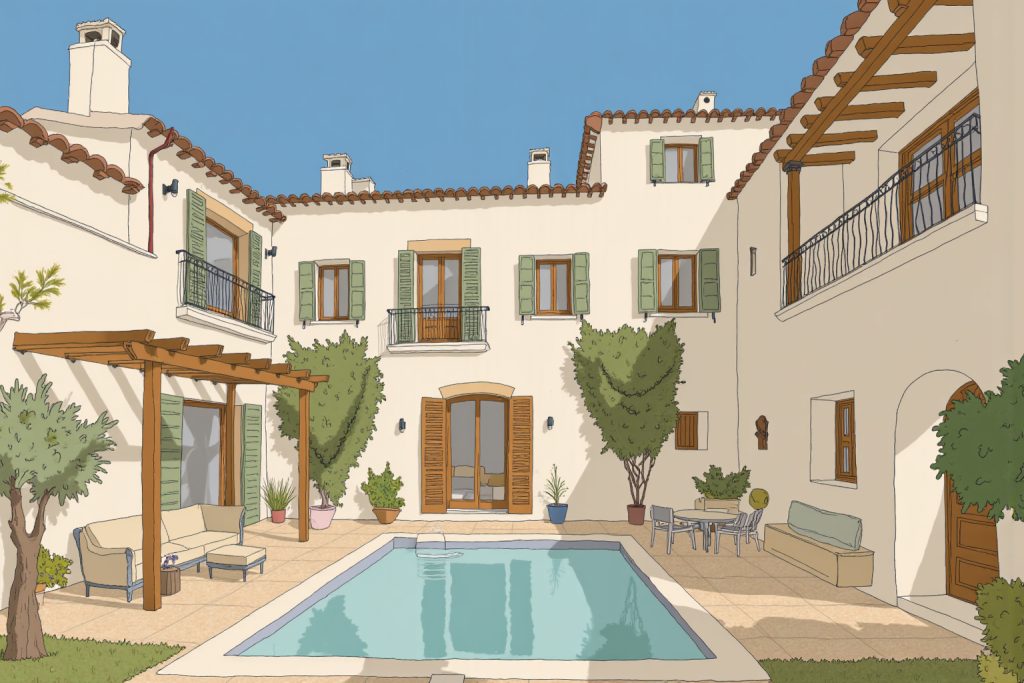
Move away from the coast toward the middle of the island and both the landscape and the culture shift. The villages are smaller, the communities tighter, and there isn’t the same flow of international residents. Those who do settle here tend to be on the outskirts, in luxury fincas with large plots and few neighbours. This is rustic country living with guaranteed privacy.
Much of the land is shaped by the Serra de Tramuntana and its surrounding ranges. Alaró is the classic mountain village – a small, quiet centre and steep, hilly roads. You’ll find the typical Mallorcan townhouse with green shutters and flagstone floors here, alongside country estates with large pools and outbuildings. For anyone wanting to keep livestock, the area has deep ties to Mallorca’s agricultural sector, with farming knowledge passed down through generations.
In Sencelles, the regenerative farm Can Cavall Blau blends sustainable agriculture, natural winemaking and the island’s equestrian traditions. You can join the weekly Amargéro Hour, taste organic wines, and experience the island’s true spirit through farm-to-table gatherings, polo training and artisanal aperitifs.
Santa María has seen an influx of international residents in recent years and counts among the centre’s most upbeat places to live. Its Sunday market is renowned for fresh fruit and vegetables and is a good place to meet the community. Closeness to Palma makes it a sensible choice for those living and working in Mallorca who want country life with the city within easy reach. Be warned, though – much of the centre slows dramatically in winter. If Puerto Pollensa and Port Andratx quieten down, the centre comes to a near standstill. Here it really is slow living.
International Schools When Relocating
Moving abroad with a family worries people, mostly the thought of pulling children away from friends and school. Mallorca makes that easier with a strong network of international schools, where kids land among others in the same situation. The south has the most options – around 12 private schools in and near Palma teaching in a range of languages, including English. For families balancing living and working in Mallorca, that concentration around the capital is a practical advantage.
People Also Ask About Living in Mallorca
Is moving to Mallorca a good idea?
It can be, but go in clear-eyed. Rental stock is tight – at any given time there are only around 3,000 homes to rent, and the cheapest are roughly €650 shoeboxes. Digital nomads, expats and retirees chasing the weather have squeezed the market further. Without Spanish you’ll struggle, since many people don’t speak or understand English, and Catalan helps if you want to integrate fully. Summers are brutally hot and crowded with tourists; winters run cold and humid, much like the UK. Heatwaves are getting more frequent and winters milder. Autumn and winter, once the crowds thin, are when the island feels best.
Is it expensive to live in Mallorca?
It isn’t cheap. A shared room runs €300-600 depending on location; a flat or home ranges from €750 into four or five figures, with €900-1,200 typical for a normal flat. Water sits at €40-75, with electricity similar. Internet runs €20-60. A weekly non-vegetarian supermarket shop lands around €70-90 before drinks. Public transport is free with the tarjeta ciutadana; otherwise budget €50-80 a week on petrol for a car. Eating out averages €25-90 per person. Add private medical cover at €30-70 and vehicle insurance at €150-300. As a benchmark, an 85m² two-bedroom apartment in Palma typically rents for €850-1,000 a month, a three-bedroom for €1,200-1,500, and a three-to-four-bedroom house for €1,500-2,000. A room or part of a house runs €350-450.
Where should I live in Mallorca as an expat?
The right spot depends entirely on the kind of person you are. The best-regarded areas are Palma de Mallorca, Sóller, Pollensa and Santanyí. Beaches draw tourists and can be appealing, but many expats prefer the quieter pockets. If you want atmosphere without the younger party crowds, look beyond the big resorts. Most expat residents arrive on the Non-Lucrative Residence Visa, Digital Nomad Visa or Work Visa. Sign a lease in person where you can, but starting in a short-term rental buys time while you hunt. Peak season brings crowds into your space – though for many, the beaches, the things to do and the warmth of locals make the trade worth it.
Why are tourists leaving Mallorca?
A mix of cost, sentiment and new rules. Holiday expenses have surged, including marina fees that have hit the yachting sector hard, pushing some travellers elsewhere. Persistent overtourism has triggered local protests – residents say mass tourism fuels a cost-of-living crisis, crowds out communities and erodes quality of life, and many visitors now feel unwelcome. Authorities have brought in measures aimed at unruly behaviour, like a six-drink daily limit at all-inclusive resorts and a higher Sustainable Tourism Tax. The island is also deliberately steering away from budget European markets toward wealthier visitors, with car-rental restrictions making traditional package holidays less appealing. British numbers may still rise around peak summer events, but the broader friction is real.
Frequently Asked Questions
Is living near the sea or in the mountains better in Mallorca?
Both have committed followings. The sea-facing southwest – Bendinat, Portals Nous, Port Andratx, Camp de Mar – holds the highest prices and the strongest international community, with English and German widely spoken. The mountain northwest, centred on the Serra de Tramuntana, offers Deià, Sóller and Valldemossa, where the landscape is most dramatic and the pace most private. Coastal living suits those who want a social, year-round scene and proximity to marinas. Mountain living suits artists, hikers and anyone wanting to retreat. The northeast bridges both, with Tramuntana access and strong cycling routes around Alcúdia. Your choice comes down to lifestyle, not status.
Do I need to speak Spanish to live in Mallorca?
In the international southwest and parts of Palma you can manage with English and German, which are widely spoken across the cuisine, business and social scene. Beyond those pockets, especially in the rural centre and among residents over 40, English is far less common. Learning Spanish makes daily life genuinely easier, and Catalan helps if you intend to integrate fully into the local community. Villages like Alaró, Santa María and Llucmajor reward the effort with a tighter, warmer welcome. The further you move from tourist areas, the more the language matters.
Which areas stay lively in winter?
Most of the island slows down in winter, but not evenly. Santa Catalina in Palma keeps its pace year-round, with bars and kitchens that don’t shut when the season ends. Santanyí in the southeast maintains an upbeat, year-round community thanks to its market, shops and resident German and Scandinavian population. By contrast, even places like Puerto Pollensa and Port Andratx quieten noticeably, and the rural centre comes close to a standstill. Many shops and restaurants in seasonal areas close entirely over winter, which can feel isolating. If a year-round buzz matters to you, Palma is the safest base.
Are there good international schools for families?
Yes. Mallorca has a solid network of international schools that ease the transition for children. The south of the island offers the most choice, with around 12 private schools in and around Palma teaching in several languages, including English. The southwest is particularly well served – Agora Portals International School is one example near the cosmopolitan Portals Nous and Santa Ponsa area. This concentration around Palma and the southwest is one reason families relocating for work tend to settle there, combining school access with proximity to the capital and the coast.