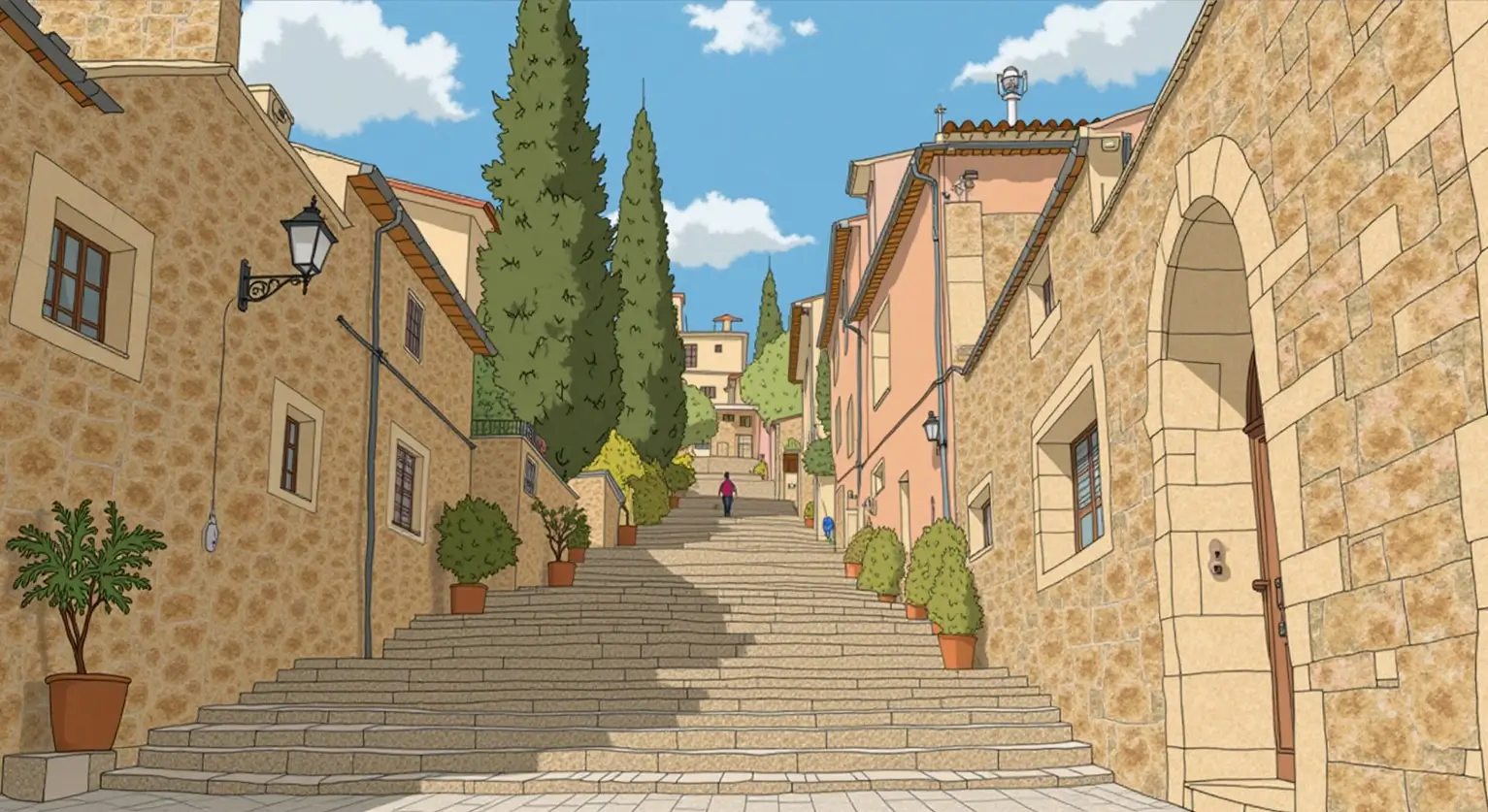
The northern town of Pollensa packs together coast, mountains and a way of living that feels older and slower than most of the island. Buyers who go looking for houses in Mallorca often start in the busier south, then drift north and stay. Around 11,000 people live here year-round, alongside a settled international community drawn mostly from Britain, Germany and Italy. What pulls them in is rarely just square metres. Many of the best houses in Mallorca in this area come with a holiday rental licence, which turns an emotional decision into a long-term investment. Whether you want a permanent base or a second home, Pollensa offers a version of Mediterranean life that hasn’t been sanded down for tourism.
Living the Mediterranean Lifestyle in Pollensa
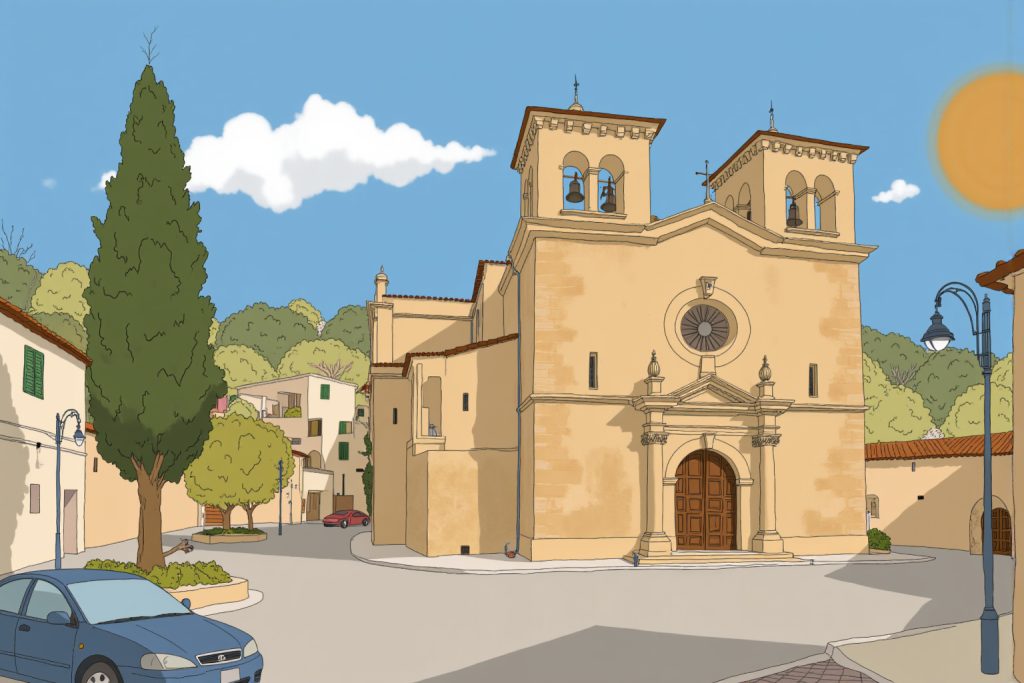
Daily life here runs on cobbled streets, the open expanse of Plaça Major, artisan markets and a string of small galleries. The Mediterranean lifestyle in Pollensa isn’t a marketing line – it’s the rhythm of weekend hikes up Puig de Maria for the view, slow lunches and a Sunday market that fills the square.
Practical needs are covered. Supermarkets, schools, medical centres and a strong run of restaurants sit within the town itself. The beaches at Puerto Pollensa, Formentor and Cala San Vicente are only minutes away by car, so sea and mountain stay within easy reach.
For anyone who cycles or hikes, the surrounding terrain is hard to beat. Water sports and the Golf Pollensa course add to the mix. Families come for the calm and the safety; investors come for a property market that has held steady.
Compared with its coastal neighbours, Puerto Pollensa and Cala San Vicente, the town itself runs quieter – a gentler pace for families who want comfort without the crowds.
The Most Exclusive Areas to Buy a Finca in Mallorca
Location shapes everything about price and lifestyle here. A finca in Mallorca’s Pollensa countryside delivers privacy and views; a portside apartment delivers footsteps-from-the-beach convenience. The areas below cover the spread.
La Font
A short walk from the centre of town, La Font ranks among the most sought-after residential pockets in the north. The upper slopes open out to sea and mountain panoramas, while the lower part keeps a rural feel. Luxury fincas and contemporary villas sit here, many built to blend into the landscape, with prices starting from €1.3 million. The draw is privacy and proximity to the old town in equal measure.
Cala San Vicente
A former fishing village turned relaxed coastal enclave, Cala San Vicente suits anyone who wants life by the water. Sea-view apartments, modern chalets and small plots for custom builds make up most of what’s available. Clear water and good local restaurants have made it a magnet for second homes with real rental potential. The town centre of Pollensa is ten minutes away by car.
Puerto Pollensa
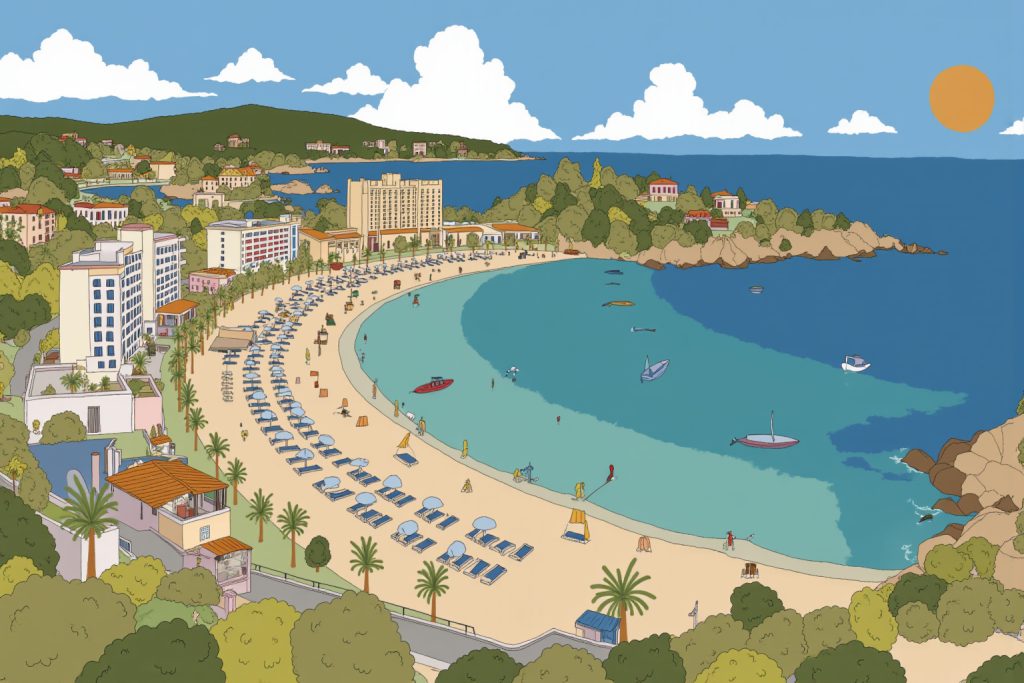
Puerto Pollensa is one of the most wanted addresses in the north. The Pine Walk, the fine-sand beaches and the marina draw international families back year after year. Seafront apartments, penthouses and modern villas dominate the listings, and many carry a tourist rental licence. Demand for holiday homes here stays high, which makes the rental returns reliable.
Pollensa Old Town
The historic core of the municipality is where tradition runs deepest. Stone houses, townhouses and restored apartments let you live inside the culture rather than beside it. Many keep original features – exposed beams, interior courtyards, protected façades – that mark them as genuine pieces of Mallorcan heritage. For buyers who want to be surrounded by art, food and community, the Pollensa old town is the obvious choice.
Formentor and Crestatx
Formentor sits among the most exclusive addresses on the island, ringed by pine forest and looking out over the sea. Supply is scarce, so every villa that comes up is a rare opening rather than a routine listing.
Crestatx, between Pollensa and Sa Pobla, has become a favourite with families and investors across the north of Mallorca. It’s known for quiet streets, a safe setting and easy access to international schools. Modern villas with pools and gardens make up most of the stock, alongside plots for custom builds. Palma is 35 minutes away; the beaches of Alcúdia and Puerto Pollensa are under 15. The value for money is what seals it.
Property Types and What to Check Before You Buy
The houses in this part of the north fall into a handful of types, each with its own checks. Knowing them before you view saves time and money.
Townhouses in Pollensa Old Town
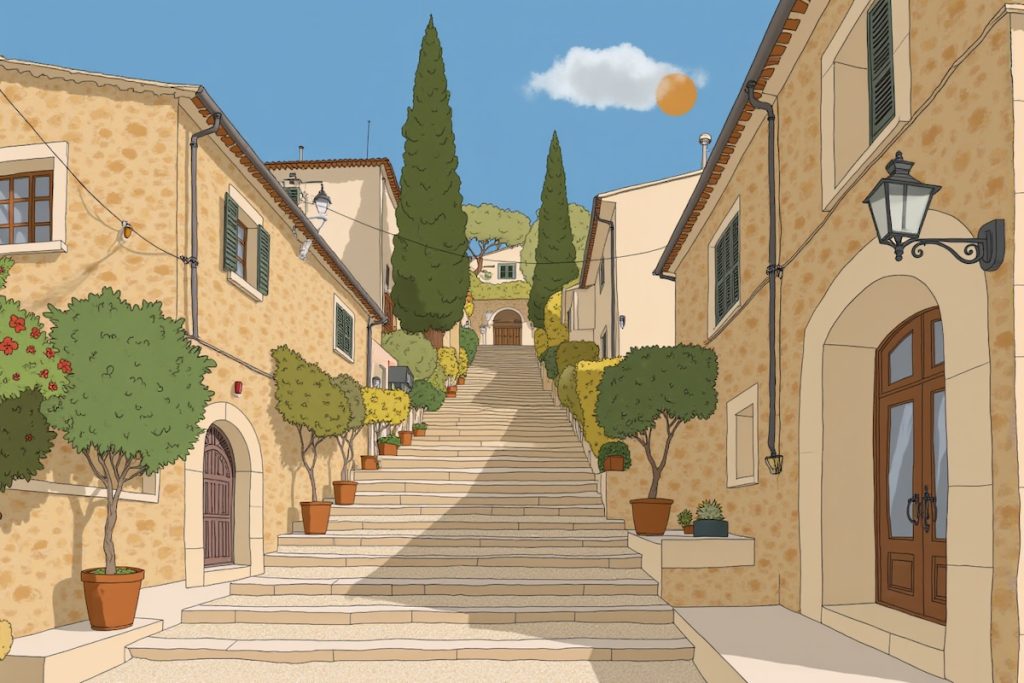
These homes sit steps from Plaça Major and the Calvari, full of character and ready for design-led work. Exposed stone, timber beams and quiet courtyards lend themselves to open-plan kitchens, microcement floors and double-height light. Many include a rooftop terrace facing the bell towers and Puig de Maria.
Before buying, confirm:
- The level of heritage protection and the rules on refurbishment, permitted heights and volumes
- Structure, roofs, damp, ventilation and any technical reports or ITE that apply
- Habitability certificate, water and electricity supply, efficiency and insulation
- Whether a patio, small pool or rooftop is allowed under planning
- Access and parking in a largely pedestrian setting
Country Homes and Rustic Fincas
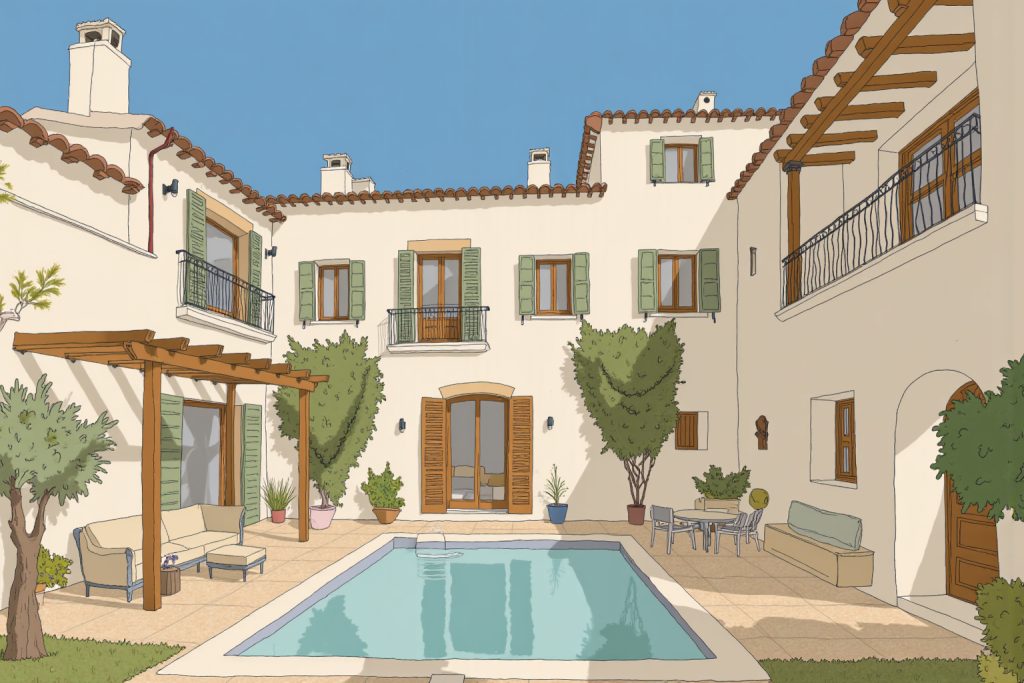
Country houses sit on generous plots with sunset-facing porches, stone walls, fireplaces and original beams. Vall d’en March, Colonya, La Font and Ternelles offer fincas with Serra views and quick access to town and port. Many have been upgraded with aerothermal underfloor heating, saltwater pools and home automation, which makes them strong as family homes or seasonal rentals.
Rustic fincas push further into the landscape – marés stone walls, a safareig reservoir, olive and almond trees in valleys like Colonya and Vall d’en March.
Before buying, confirm:
- The planning status of the rustic plot and a valid habitability certificate
- Plot size, permitted buildability and the condition of annexes or casitas
- Mains or legalised well water, cistern, electricity and the scope for photovoltaics
- Access tracks, orientation, privacy, noise and easements
- Works history, licences and energy efficiency
- Whether a seasonal rental licence is possible under local rules
Luxury Modern Villas
Modern villas in Pollensa and Puerto Pollensa work with clean lines, large windows and open-plan layouts, set against Mediterranean gardens and a private pool. La Font, Gotmar, Boquer and Cala San Vicente offer privacy, sea or mountain views and good connections. Many include aerothermal underfloor heating, home automation and solar panels.
Before buying, confirm:
- Building licence, completion certificate, ten-year structural warranty and energy certificates
- Quality of the envelope, carpentry, climate control and home automation
- Easements, boundaries, noise and garden privacy
- Maintenance costs, IBI, and gardening and pool services
- Likely yield and the seasonality of the area
Seafront Apartments in Puerto Pollensa
These put you on the Pine Walk and promenade with the sea a few steps away. Sunset terraces, bright living rooms and direct beach access make them a natural second home and a solid seasonal let.
Before buying, confirm:
- Unobstructed views, orientation, promenade noise and privacy
- Community statutes, special assessments, lift, accessibility and storage
- Building condition, Technical Building Inspection, double glazing and climate control
- A parking space and how easy parking is in high season
- The requirements and viability of seasonal renting under local regulation
Why Buying in the North of Mallorca Makes Sense
A few things stack up in this town’s favour:
- A position at the foot of the Serra de Tramuntana
- High demand and prices that have stayed stable
- A large, welcoming international community
- The chance to buy a property that already holds a holiday rental licence
- Fast links to Palma and the airport
- Real gastronomy, culture and nature on the doorstep
Buying property in the north of Mallorca rewards local knowledge. The legal process has its traps, and the right home depends as much on your lifestyle as on your budget. Pollensa is less a place to live than a way to live – tradition, beaches, mountains and culture, backed by a property market that has proven durable. Whether the target is a modern villa, a rustic finca or a seafront flat, the groundwork pays off.
People Also Ask About Houses in Mallorca
How much do houses in Pollença, Mallorca cost?
Pollença sits at the premium end of the island’s market, with average asking prices around €1.5 million. The spread is wide. Townhouses start near €400,000 for fixer-uppers, while renovated versions with a pool usually run €1,200,000 to €1,700,000. Country fincas range from €1.5 million up to €15 million depending on land and amenities. Villas begin around €1.2 million for residential builds and climb past €3 million for luxury sea-view homes in Puerto Pollença or Cala Sant Vicenç. The Old Town is where you’ll find the cheaper entry points; the coast and countryside hold the top of the range.
Is Cala San Vicente worth visiting?
Yes – if dramatic coastline and turquoise water matter more to you than nightlife. The village sits on the northern coast within the Serra de Tramuntana, about 60 km from Palma (a 45-minute drive) and 10 km from Puerto Pollensa. Four coves – Cala Barques, Cala Molins, Cala Carbó and Cala Clara – give you clear water under soaring cliffs, and it makes a fine base for hiking and reaching Cap de Formentor. The trade-off is the terrain: built on cliffs, it has no long flat promenade and plenty of stairs. There’s little to do beyond beaches and walking, and it fills up in peak summer.
What is there to do in Cala San Vicente?
The list is short and that’s the point. Eat traditional Majorcan dishes by the sea, settle in on Cala Barques, and walk the scenic coastal trail. Sip cocktails on the beach, stop into Bar Mallorca, and pick up picnic supplies at the Puerto Pollensa market before heading out for the day. Swimming and snorkelling in the coves are the main draw, and the hiking around the cliffs and toward Cap de Formentor is excellent. If you want shopping and a busy night scene, this isn’t the place – but for a quiet, beautiful base, it delivers.
Is Pollensa, Mallorca worth visiting?
Yes. The town in the north balances real culture with seaside ease. The Old Town brings blonde stone architecture, narrow streets, galleries and the famous 365-step climb up the Calvari to a hilltop chapel. Plaça Major fills with cafés and hosts a large Sunday market. Port de Pollensa, ten minutes away, has the pine-fringed horseshoe beaches, water sports and boat trips out to Cap de Formentor. Cyclists use it as a hub for the Tramuntana, and walkers find trails in every direction. What sets it apart is that it keeps its island character without feeling over-commercialised.
Is Puerto Pollensa tacky at night?
Not at all. The restaurant range runs from Michelin-starred down, and chain restaurants are genuinely rare – you’ll struggle to find them. There’s plenty to do in the evening, but don’t arrive expecting nightclubs or loud discos. The vibe is relaxed dining and a stroll along the front rather than a party strip. Anyone who finds the southern resorts too brash tends to be pleasantly surprised here. It’s geared toward people who want good food and a calm evening, which is exactly why families keep coming back.
Frequently Asked Questions
Can you drink the tap water in Puerto Pollensa?
Tap water in Port de Pollença is legally safe and meets EU standards, but most locals and visitors avoid drinking it straight. The limestone bedrock makes it very hard and heavily chlorinated, which gives it an off taste and can unsettle your stomach. It’s fine for brushing your teeth. For drinking, people stick to bottled water, which is cheap and available in every supermarket. If you’d rather not buy bottles all week, a filtered jug in your accommodation improves the taste enough for daily use.
Can I buy a property in Spain for $50,000?
Not in Pollensa, but elsewhere in Spain it’s possible. Cheap property under €50,000 turns up in northern Galicia, parts of Extremadura and rural Andalusia away from the Costa del Sol. These tend to be inland, rural and often in need of work. The north of Mallorca operates in a different bracket entirely – the entry point here is closer to €400,000 for a townhouse that needs renovating.
Can I get permanent residency in Spain if I buy a house?
If you’re a non-EU citizen, buying property valued over €500,000 qualifies you for a residence permit valid for three years – the so-called golden visa. It carries real advantages for residency and travel. Given Pollensa prices, most purchases here clear that threshold comfortably, though you should confirm current rules with a qualified adviser before relying on the scheme.
Port de Pollença or somewhere else as a base?
For a family that wants beaches, boat trips, hikes, good food and pretty towns – without nightlife – Port de Pollença works well. It’s a strong base for cycling and exploring the surrounding mountains. Some visitors find the town itself underwhelming and prefer to stay in the countryside and drive out to beaches and villages. If you want more polish, Alcúdia or Colònia de Sant Jordi are worth comparing for nicer beaches. But for a quiet, well-placed base in the north, Port de Pollença holds up.
Pollensa or Sóller for a chilled beach trip?
Both are good, so it’s hard to go wrong. Sóller has the old train from Palma, the tram to the port and beautiful mountain scenery, but it has grown busy and parking can be difficult in high season. Many regular visitors now lean toward Pollensa, which feels more relaxed and less crowded, especially in September and October when it’s still warm. For a chill beach environment with a touch of life in the evenings – and without the southern resort crowds – Pollensa tends to win out.