Since January 2023, anyone working remotely from outside the country can apply for the digital nomad visa Spain introduced to attract international talent. For remote workers weighing where to base themselves, Mallorca keeps rising to the top of the list. The island pairs a workable legal route with a lifestyle most mainland cities can’t match. The digital nomad visa Spain grants opens the door, but the reasons people actually stay are warmer terraces, faster flights, and a community that already speaks four languages at the same dinner table. Here’s what makes the island a genuine base rather than a postcard – and what the digital nomad visa Spain process really demands before you pack.
A Visa Route That Backs Remote Workers
The spain digital nomad visa lets foreigners legally run their work life from Spanish soil, and that legal footing matters more than people expect. It separates a long-term base from a string of tourist stays. Tax treatment changes once you hold the permit, and the structure rewards anyone committing to a few years rather than a few months. The spain digital nomad visa sits alongside other routes – the Golden Visa landscape, for instance, has shifted in recent years – so it pays to confirm which path fits your situation before lodging anything.
High-Speed Connection and the Rise of Coworking Mallorca
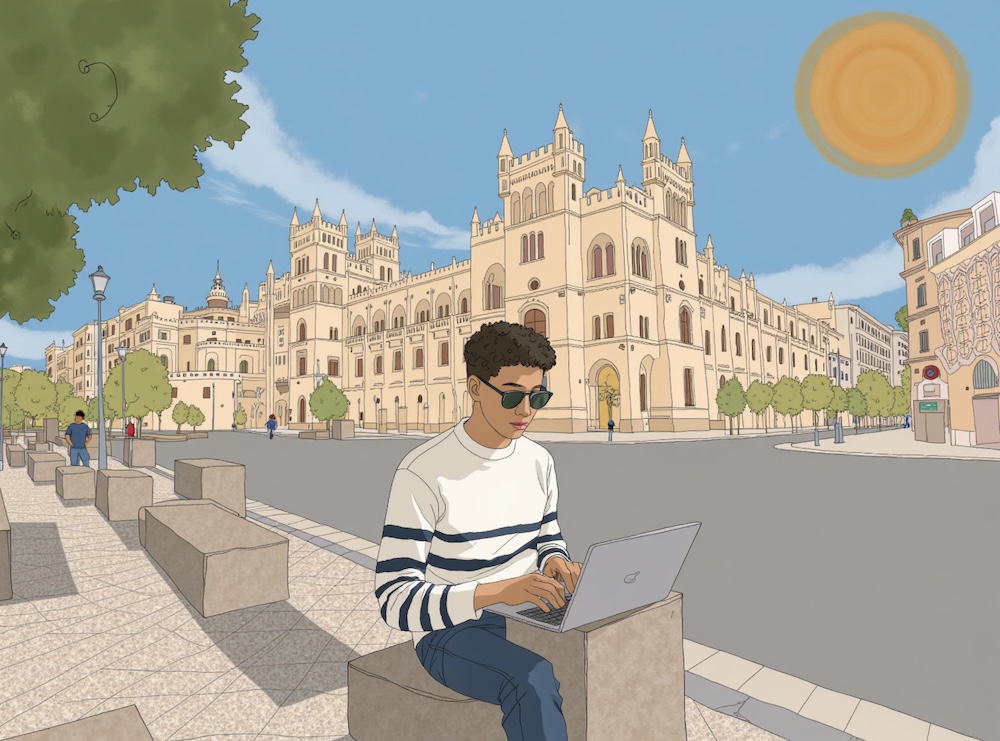
A reliable line means you can hold a video call from a sunlit terrace without the screen freezing mid-sentence. That’s not a small thing when your income depends on it. The coworking Mallorca scene has grown to match, with a spread of spaces where international professionals share desks, contacts, and the occasional lead. Working remotely no longer means working alone. Coworking Mallorca venues have become the easiest place to build local business relationships, and for entrepreneurs landing on the island they double as a social entry point.
A Stable Place to Invest
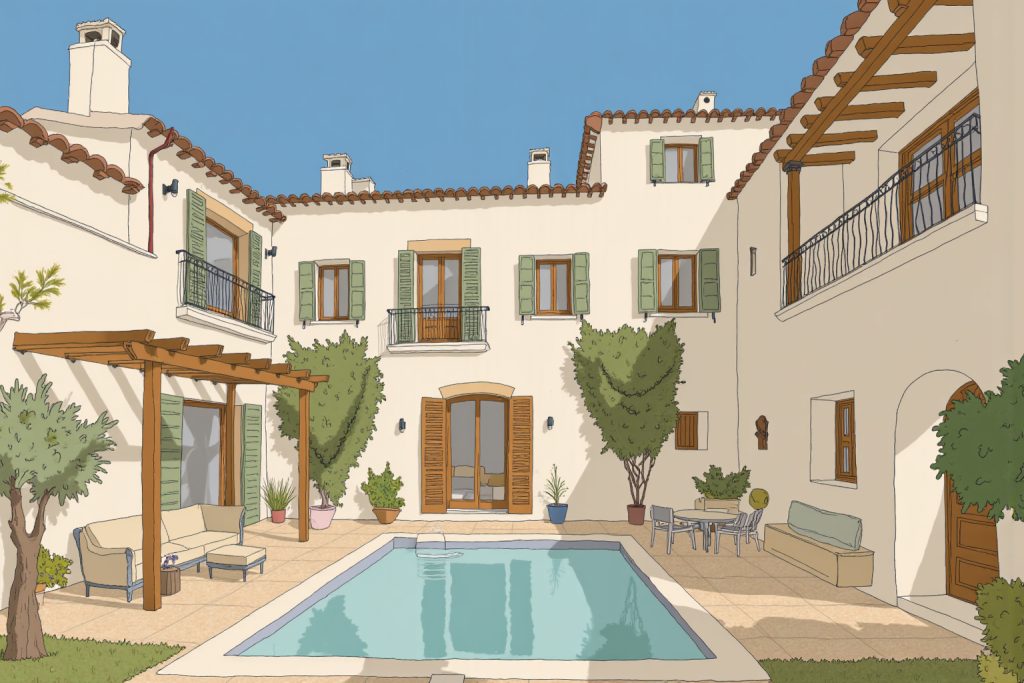
Over recent years the island has held up as one of the steadier corners of Spain for property investment. Beachfront penthouses and apartments with a balcony top the list of what buyers chase. For anyone planning to live in Mallorca long term rather than rent season to season, that stability shapes the decision. The flip side is cost: strong demand and a busy second-home market have pushed prices up across the island, so the choice to live in Mallorca comes with a budget conversation attached.
66 Flights an Hour
Palma de Mallorca runs the third-largest airport in Spain, connecting to 163 destinations. Daily flights reach Madrid, London, Berlin, Frankfurt, Zurich, Paris and Rome, which means a client meeting on the mainland or a weekend in another capital is rarely more than a short hop. That connectivity matters when you’re checking the spain digital nomad visa requirements, because the permit asks you to keep most of your work tied to companies outside Spain – and easy access to the rest of Europe makes servicing those clients far simpler.
A Healthy Lifestyle
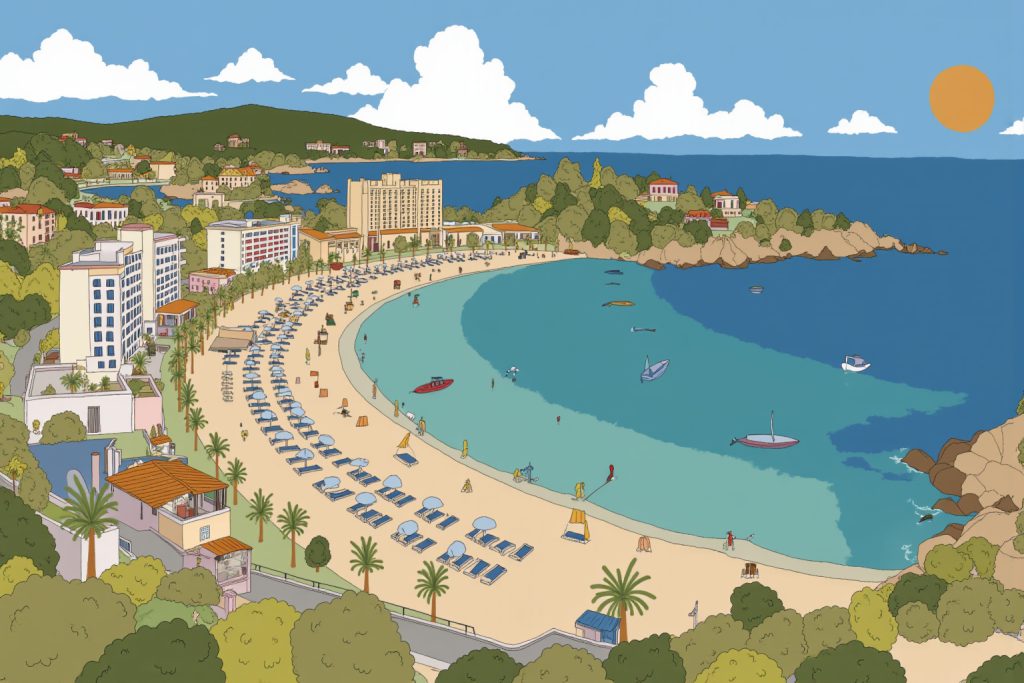
Beyond the 300 days of sunshine a year, the island has become a draw for people chasing a slower, more deliberate way of living. Organic markets, yoga studios, and a general culture that supports conscious habits make it easy to build healthier routines. People who move here to live in Mallorca often cite this shift in pace as the thing they didn’t know they needed – the Mediterranean lifestyle as a daily practice rather than a holiday mode.
Hikes Galore
The UNESCO-protected Sierra de Tramuntana runs thick with woodland, ideal for quiet pine walks and longer hikes with friends. Several of the island’s beaches can only be reached on foot or by boat, which keeps them genuinely peaceful. For anyone who chose to live in Mallorca partly for the outdoors, there are established walking groups and hiking communities that make it easy to find company on the trail.
Cosmopolitan and Creative Energy
The island carries a strong expat presence – German, British, French and Scandinavian residents make up a large share of the population – alongside international artists, writers and musicians. Festivals, gallery openings and exhibitions run through the year, giving newcomers plenty of natural meeting points. That said, anyone hoping to find jobs in Mallorca should go in clear-eyed: the local economy leans heavily on tourism, and steady year-round jobs in Mallorca outside the service industry can be hard to come by, which is exactly why the remote-work route suits the island so well.
People Also Ask About the Digital Nomad Visa Spain
How hard is it to get a digital nomad visa in Spain?
Moderately to highly difficult, and most of the friction is bureaucratic rather than legal. The spain digital nomad visa looks straightforward on paper, but applicants repeatedly describe inconsistent income interpretation, dated government systems, and outcomes that vary by which official handles the file. One nomad reported seven months and thousands spent on translations, apostilles and appointments while still not finished. The recurring advice from people who’ve been through it: hire a specialist to handle the paperwork from the start, budget €800-€3,000 for that help, and only commit if you intend to stay two to three years minimum.
Who is eligible for the Spanish digital nomad visa?
You must be a non-EU/EEA citizen working remotely for companies based outside Spain. The core spain digital nomad visa requirements include earning at least 200% of the Spanish minimum wage (roughly €2,849 per month), holding a university degree or three-plus years of professional experience, and carrying full private health insurance with no co-pays or deductibles. Employees need at least three months with their current company; freelancers must show continuous international clients, with no more than 20% of income from Spanish sources. A clean criminal record covering the last two to five years is mandatory. Dependents can join, but the income threshold rises for each one.
How much money do I need for a digital nomad visa in Spain?
A single applicant must prove a gross monthly income of €2,849 – about €34,188 a year – matching 200% of the Spanish minimum wage. Adding a first dependent raises the requirement by roughly €1,069 per month (75% of the minimum wage), and each additional dependent adds around €357 per month (25%). On top of income, budget for upfront costs: the visa application fee runs about €74.65, and the NIE processing fee sits around €10-€15. The TIE residence card on arrival costs roughly €15-€20. Passive or rental income is generally not accepted – the spain digital nomad visa requirements focus on stable, continuous earned income.
Can I live in Spain as a digital nomad on a modest salary?
Yes, and comfortably, depending on location. One remote worker raising two children in Barcelona reported needing €54,000 a year for a family-of-four visa and living well on a combined €90,000-€100,000, even in a pricey city centre. In a small town the maths gets easier still – average salaries in many Spanish towns sit below €22,000, so a remote income stretches far. The trade-offs are real: smaller towns can feel insular, Spanish is essential to integrate outside major cities, and once you spend 183 days in the country you become a tax resident. Anyone planning to live in Mallorca should hire a tax professional before arriving, not after.
Is moving to Mallorca a good idea?
For most remote workers, yes – with caveats. The island delivers an outdoor Mediterranean lifestyle, strong infrastructure, top international schools and excellent healthcare, plus an airport that connects fast to the rest of Europe. The case to live in Mallorca is strongest if you value climate, culture and connectivity over savings. The drawbacks: cost of living has climbed sharply on the back of a hot property market, summers bring over-tourism and crowding, and quieter winters see seasonal shops and restaurants shut. Because the economy runs on tourism, steady non-service jobs are scarce – making the island far better suited to people who already work remotely.
Frequently Asked Questions
What are the two ways to apply for the visa?
You can apply from your home country through the local Spanish consulate, which grants a one-year visa but tends to be unpredictable – consulates interpret guidelines differently. Alternatively, if you enter Spain legally on a tourist or Schengen visa-free basis, you can apply from within the country through the UGE (Unidad de Grandes Empresas y Colectivos Estratégicos). The in-country route grants a three-year residence permit, avoids consulate inconsistency, and counts immediately toward permanent residency. Most experienced applicants recommend the in-country UGE route for this reason.
Should I hire a lawyer or do it myself?
The strong consensus from people who’ve completed the process is to hire help. Specialist immigration lawyers or gestors charge between €800 and €3,000, and the variance is wide – some applicants paid closer to €800 with a smooth three-month process, others paid €6,000 for a family of four. The risk of DIY is real: requirements shift without warning, health insurance gets rejected if it’s travel insurance rather than a Spanish-authorised policy, and missing the residence-authorisation filing window forces a restart from outside Spain. If you start solo and stall at 90%, few professionals will then take the file for less than full price.
What is the Beckham Law and does it apply to me?
The Beckham Law offers a flat 24% tax rate on Spanish-source income for up to six years. To qualify you must not have been a Spanish tax resident in the previous five years, and you must file the election within six months of tax registration – miss that window and you lose the flat rate permanently, dropping onto the standard progressive scale of up to 47% plus possible wealth tax. Critically, it generally applies to employed people, not the self-employed. Many digital nomad visa holders are freelancers and therefore won’t qualify, so confirm your status with a Spanish tax lawyer before arriving.
What is the denial rate, and why do applications fail?
One attorney consulted in Madrid cited an approximate 68% denial rate and described the process as arduous. The most common reason given for rejection is the income requirement – authorities are strict and inconsistent about what counts as valid, acceptable proof. The safest combination is notarised contracts alongside bank statements showing actual deposits. Another silent killer is health insurance: the UGE explicitly rejects travel insurance, and many applicants only discover this after being denied. Freelancers also need documentation proving they’re registered as a freelance worker in their home country – Spain does not recognise work through online portals like Fiverr or Upwork on their own.
How long does the whole process take?
There’s no reliable single answer because timelines vary enormously by office. The same paperwork can clear one consulate in 30 days and face three rejections at another. Inside Spain, the same inconsistency applies between provincial Extranjería offices. Reported experiences range widely – some completed everything in three to five months with a lawyer, others passed seven months and were still not finished. Plan for several weeks just to gather translated and apostilled documents before you even file, and avoid timing your application to land in August, when much of the Spanish government effectively shuts down.