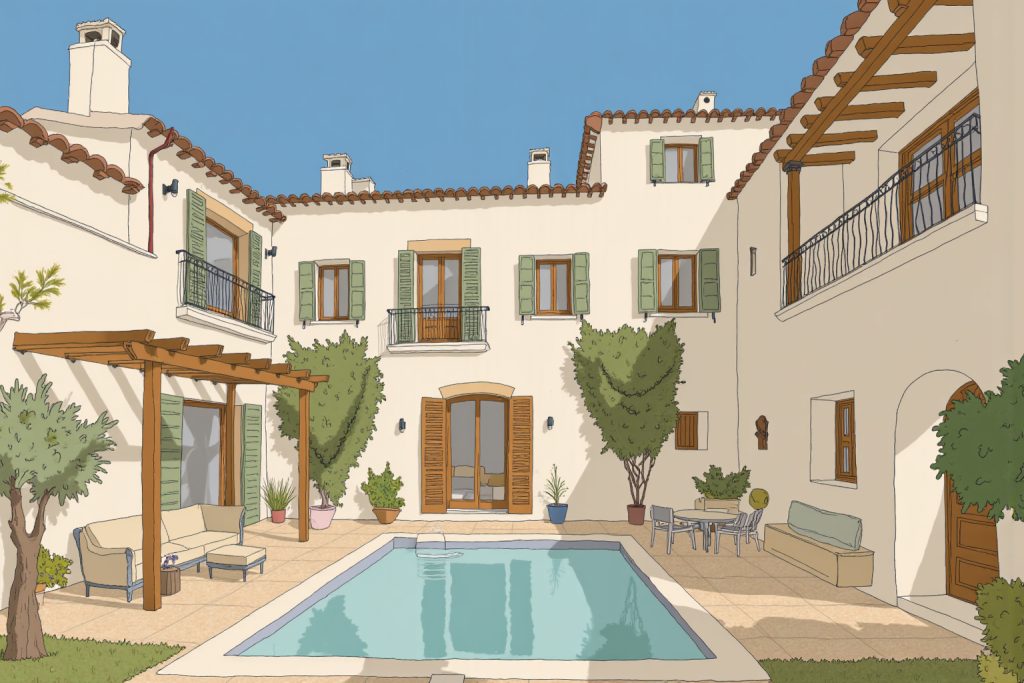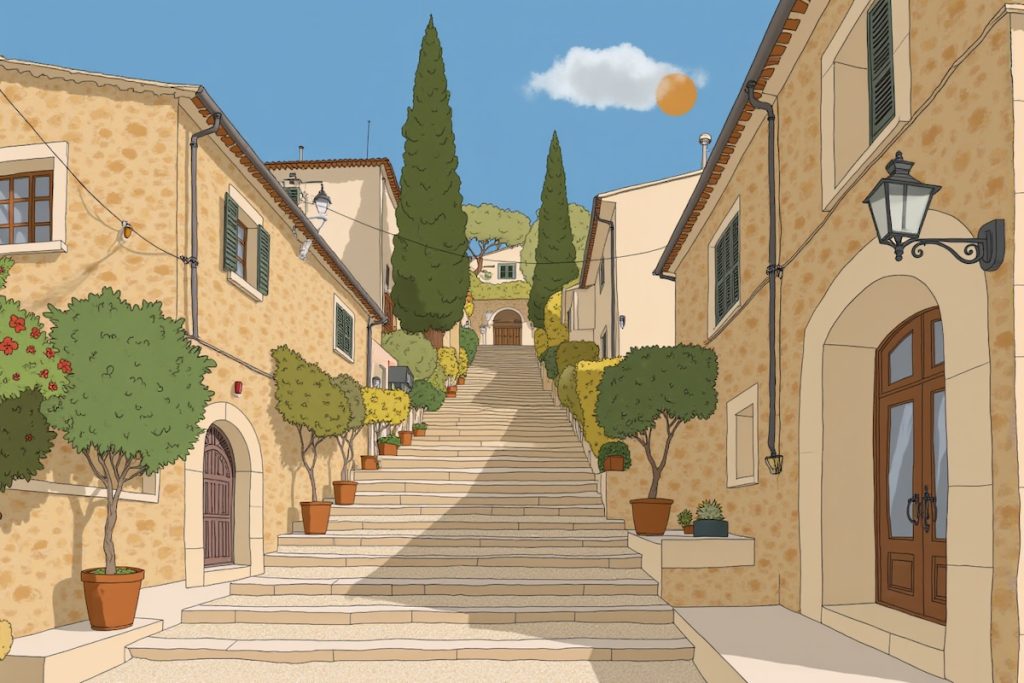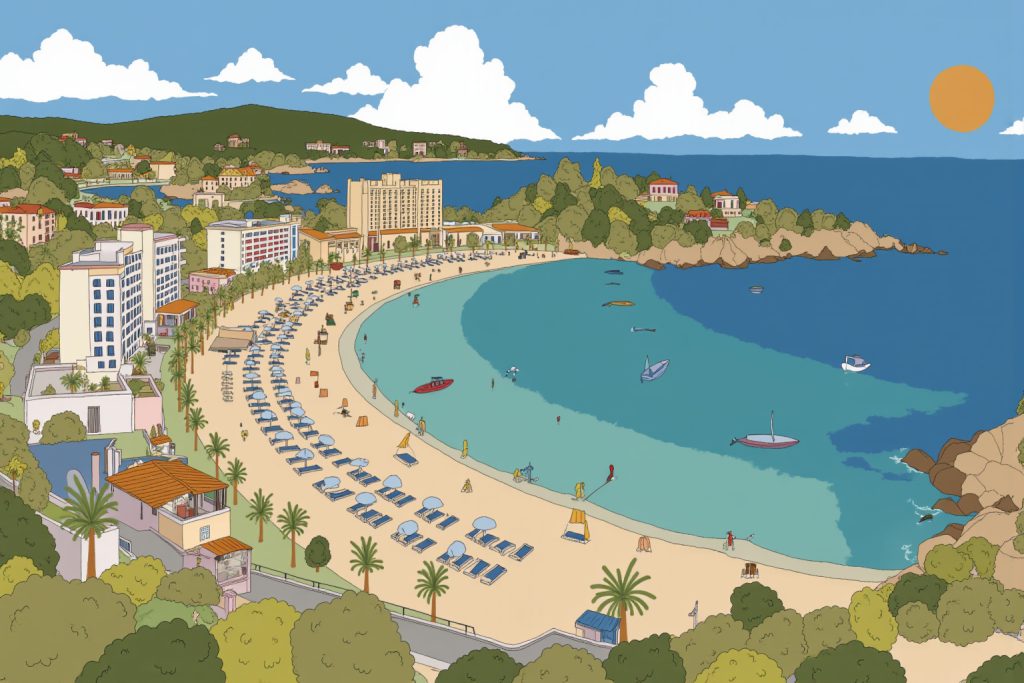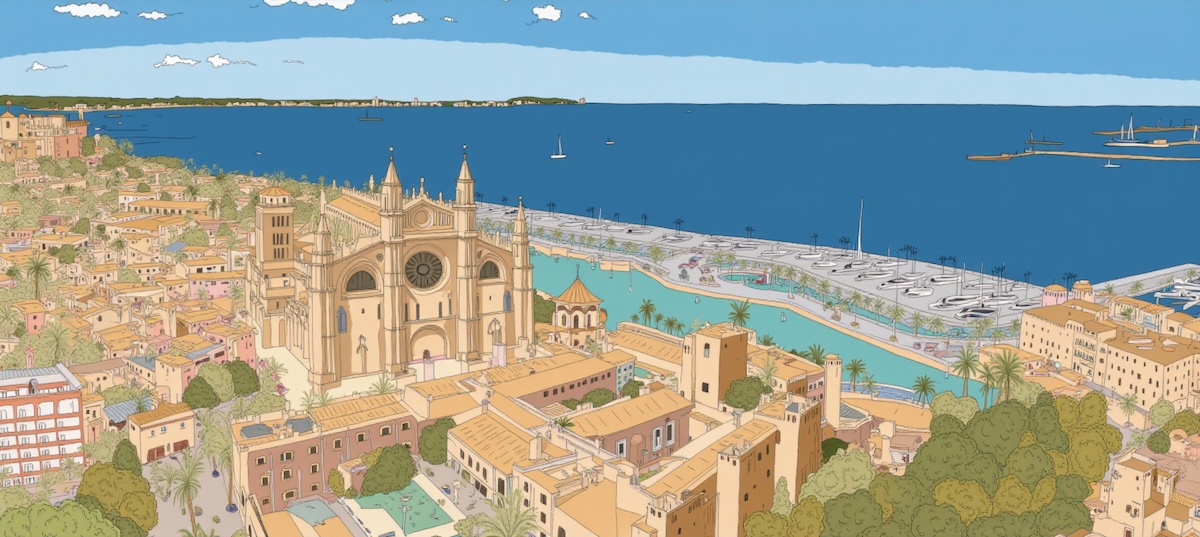
Few corners of the Mediterranean hold the range of homes you’ll find here. The mountains and the sea get the postcards, but it’s the strength of the second-home market that explains why thousands of international buyers keep arriving. People choose to buy property in Mallorca for holidays, for full-time living, and for the steady demand that keeps prices firm – a pattern especially clear among British, German and Scandinavian buyers. That demand has pushed architects to design some genuinely ambitious houses. If you want to buy property in Mallorca, expect a portfolio that runs from grand fincas and country houses to sea-view villas, penthouses and apartments. Location shapes the property here: where the setting is beautiful, the homes tend to follow.
The Best Places in Mallorca to Invest, Region by Region
There are several reasons to invest. Some buyers want a family base; others go straight for holiday rentals, given the island’s tourist numbers. In Alcúdia, cyclists train right through winter, which keeps rental income flowing well beyond the summer peak. Across the rest of the island, the warmer months bring strong returns on holiday lets.
The best places in Mallorca are not interchangeable. Each region has its own price ceiling, its own architectural rules, and its own kind of buyer. Son Vida, Port Andratx, Deià and Puerto Pollensa sit at the luxury top end, with some homes edging toward the tens of millions. What follows is a breakdown of where to look, what you’ll find, and who each area suits.
Property for Sale in Palma de Mallorca
Palma is the island’s only city, which makes it the only place where apartments dominate. In the centre and the Old Town, community buildings are the norm, but that doesn’t mean modest – penthouses and multi-storey apartments near the Cathedral and around Santa Catalina approach the million mark. Get closer to the water and values climb sharply, nowhere more obviously than in Portixol. Anyone searching for property for sale in Palma de Mallorca should match the neighbourhood to the lifestyle: city pulse in the centre, sea air on the coastal fringe, space and greenery up in the hills.
Palma City Centre
Young couples and retirees who want a place with energy head for the centre and buy a roomy city apartment. Families come too, but the lack of outdoor space pushes many toward the outskirts where a garden or pool is possible. La Calatrava, La Lonja and El Borne hold some of the most beautiful old-style apartments in the city. This is where property for sale in Palma de Mallorca carries the deepest sense of history.
Son Vida
Son Vida is Palma’s priciest neighbourhood, sitting high above the bay with the views to match. The island’s leading architects work here, mostly on modern and contemporary builds. It’s quiet, green, and close enough to the city to suit families who want both. The Son Vida Hills carry the most impressive homes, thanks to their elevation.
Santa Catalina
Santa Catalina draws buyers for its closeness to the Paseo Marítimo and its social scene. The stock mixes city apartments and penthouses with the old fishermen’s cottages of Es Jonquet. Homes overlooking the harbour command high prices, particularly with a rooftop or a generous balcony. The trade-off is noise – the area around the market gets loud at night.
Portixol & El Molinar
Portixol is a ten-minute cycle from the centre, an upmarket pocket that keeps renovating and improving. Sea-view apartments are the draw, many of them modern in design. The promenade buzzes after dark with cyclists, skaters and runners along the seafront. It suits people who work in Palma but want to live by the water.
The Southwest: Premium Coast and Property for Sale in Santa Ponsa
The southwest holds some of the most expensive homes on the island and, by recent figures, the highest turnover too. Upmarket harbours define it, so sea-view villas lead demand, with apartments and fincas close behind. Port Andratx, Bendinat and Santa Ponsa have all seen contemporary work from top architects in recent years. Second homes and holiday lets are common, especially among the yachting set – mooring a boat in Puerto Portals and living in a coastal villa for a few months is a classic southwest rhythm. Anyone weighing up property for sale in Santa Ponsa is buying into this stretch of the island’s busiest luxury market.
Bendinat
Bendinat sits at the high end, prized for its closeness to the sea combined with privacy and calm. Old Bendinat and Anchorage Hill hold large detached homes behind tall hedges and gates. With big gardens and pools the norm, it works well for families.
Portals Nous & Puerto Portals
For buyers in the yachting world, Portals Nous is a natural fit. Living up in the Portals Hills means looking down on the superyachts at anchor in Puerto Portals. Costa d’en Blanes is known for multi-million-euro villas tucked behind high stone walls. Four and five-bedroom homes are common, so it suits anyone after a sizeable family base.
Santa Ponsa
Interest in property for sale in Santa Ponsa took off once Golf Santa Ponsa opened, and it hasn’t slowed in more than three decades. The mix is varied, but luxury villas with sea or golf views are the favourites, more so the higher you go in areas like Nova Santa Ponsa. It’s a steady choice for a holiday apartment or villa.
Port Andratx
This seaside town pulls wealthy buyers from across Europe, with Germans the largest group. Cala Marmassen and Monport cater well to second-home buyers. Around the harbour you’ll find more community buildings and complexes suited to summer living, while the hilltops hold villas with serious sea views. This is some of the most coveted real estate on the island.
Camp de Mar
Once a small holiday resort, Camp de Mar has changed fast thanks to new builds. In nearby Biniorella, major developments are going up with strong architectural and design teams behind them. The style here is largely modern, so buyers chasing something striking should look closely.
Port Adriano
Designed by French architect Philippe Starck, Port Adriano is one of the island’s most visible spots. Its cosmopolitan community spreads across apartment complexes and luxury villas, some gated. Cap Adriano holds the priciest homes – just a cluster of multi-million-euro villas. The address carries weight.
Illetas, Cala Mayor & Cas Catalá
Together these three span just four kilometres yet pack in some of the island’s most interesting homes. Cala Major’s seafront holds prime real estate, rising in quality as you climb the hill. Cas Catalá is half a dozen tidy streets, calm and discreet. Illetas is the best known of the three, thanks to two crystal-clear beaches, and its beachfront apartments fetch top prices.
Sol de Mallorca
Ringed by small bays and unspoiled countryside, Sol de Mallorca is a second-home favourite. Just around the bay from Santa Ponsa, it has carved out a place in the luxury market. It draws high-profile buyers while keeping its discretion, pairing privacy with quiet.
The Northwest: Fincas in the Serra de Tramuntana
The northwest is defined by an unspoiled landscape. To understand luxury here, look at the outskirts of Deià and Valldemossa, where the island’s finest fincas and grand estates sit deep in the Serra de Tramuntana. Plots of land usually come attached, which suits buyers who want a large garden. You’ll rarely see modernist or contemporary builds – natural stone is the rule, and the UNESCO Heritage status makes new construction far harder. Buy here and you’re buying authentic Mallorca.
Esporles
Nature lovers wanting distance from the glitzy coast find calm in Esporles, set within the Serra de Tramuntana. The homes are rustic, ideal for anyone after a large garden, vineyard or olive grove. Es Verger and Son Capaspre hold some of the valley’s best historic fincas and country houses. Palma is just 20 minutes away by car.
Sóller
Development came late to Sóller, but once the fast road opened with free access, real estate surged. The mountain village is full of handsome apartments and villas, especially along Gran Via and Carrer de Sa Mar. On the outskirts, Biniaraix offers proper country living. Homes don’t stay listed long – demand keeps rising.
Port Sóller
Family tourism defines Port Sóller, which makes it a stable second-home choice. Restaurants and cafés line the area, and it holds firm on the summer tourist map. Rental potential is strong, particularly along the Playa de’en Repic seafront. For quieter family living, La Muleta on the outskirts is worth a look.
Deià
Deià needs little introduction at the luxury end. The long list of celebrities who’ve bought here confirms its pull. High Deià and Ca l’Abat hold the priciest homes, elevated over the village and sea. The architecture stays consistent with the area’s traditional feel, and the UNESCO status blocks striking new builds, so property here keeps its historic value.
Valldemossa
With just 2,000 residents, Valldemossa’s small market only sharpens its exclusivity. It’s one of the prettiest villages on the island, home to sweet townhouses and large fincas. Estates once held by Archduke Ludwig Salvator – S’Estaca, Miramar, Shangrila – rank among the most privileged addresses anywhere here. Prices slip into the multi-millions, especially near the coast around George Sand and Port de Valldemossa.
Fornalutx
Twice named the most beautiful village in Spain, Fornalutx is sought after for its old architecture, mountain views and closeness to Puig Mayor. Home to 700 people in the heart of the Serra de Tramuntana, it offers historical village houses full of character, many rising off its golden stone staircase.
Banyalbufar
On the southwest coast, Banyalbufar stays as peaceful as it was centuries ago. UNESCO protection has kept new plots and large developments out. It has fine sea and mountain views and even its own beach with a waterfall. Prices generally sit lower than in Deià or Valldemossa.
Serra de Tramuntana
The Serra de Tramuntana is a UNESCO World Heritage site and home to arguably the most beautiful homes on the island. Rural and rustic, yes – but the fincas around Deià and Valldemossa are no less luxurious for it. Buyers get authentic Mallorcan living, with small villages and friendly communities, many barely touched by tourism.
The Northeast: Property for Sale in Pollensa and Beyond
Front-line apartments and villas drive the northeast. In Puerto Pollensa and Port d’Alcúdia, prices climb high enough to challenge the southwest. The location suits second homes and holiday rentals, and investors have caught on – Alcúdia alone benefits from 365 days of cycling tourism, which makes apartments with holiday licences highly sought after, especially near the sea. There’s a real profit curve here. Yet pockets stay tightly held: along the Pine Walk in Puerto Pollensa, and in Formentor, homes can stay within local families for generations and rarely reach the open market. Demand for property for sale in Pollensa reflects both that scarcity and the area’s natural setting at the foot of the Tramuntana.
Alcúdia
Known for sport and British tourism, Alcúdia’s market rarely dips. The mountainous training ground keeps old apartments in renovation and then in rental to cyclists and other fitness types. The expat community is strong, so English and German speakers settle comfortably. Alcanada is the grandest suburb.
Property for Sale in Puerto Pollensa
Family-friendly sums up Puerto Pollensa, helped by a stable tourism sector that keeps holiday rentals and second homes in demand. The Pine Walk holds some of the island’s finest seafront villas, many with large gardens and terraces. Higher up, El Vila looks over the port and Alcúdia bay and suits buyers wanting privacy away from the promenade. Anyone scanning property for sale in Puerto Pollensa should weigh the seafront premium against the calmer hillside options.
Artá
Further south, off the main tourist trail, Artá is far less in demand than Alcúdia or Puerto Pollensa but no less beautiful. Grand fincas, historic houses and large Mallorcan villas suit rural living. Toward the coast at Colònia de Sant Pere and Cala Ratjada, prices and property styles rise, with pool villas common – a lower bracket than the southwest.
Port d’Alcúdia
Port d’Alcúdia is the spot for water-sports fans, cyclists and hikers. The marina takes yachts, and the stock spans apartments, villas and large duplexes. For luxury, look at Alcanada with its own golf course.
Canyamel
Still relatively undiscovered, Canyamel offers calm away from the main resorts. The surroundings mix beaches, mountains, countryside and a dramatic coast. The most exclusive corner is the Cap Vermell Estate, overlooking the Canyamel Valley with an 18-hole golf course. It sits an hour’s drive from Palma, with sea-view villas at good value.
Formentor
Formentor sees steady demand from buyers chasing a dream home in near-total seclusion. Some of Spain and Europe’s wealthiest families keep a discreet second residence here for the guaranteed quiet. A purchase holds its value firmly in the millions.
Pollensa
At the foot of the Tramuntana, Pollensa rewards anyone who loves nature, the outdoors and big views. Many homes qualify for a rental licence, opening up extra income. La Font is one of the priciest neighbourhoods, with plots ready for a country finca or villa. The range of property for sale in Pollensa runs from village townhouses to sea-view penthouses and country houses.
The Southeast: Rustic Fincas and Coastal Resorts
The southeast is rural at heart, ideal for a finca or country estate. Around Santanyí, a strong German market has put the region on the map for beautiful country property. Renovation projects and building plots come up often, leaving room for creativity if you want to build from scratch. Be warned: regulations are tight and the process is slow. Before starting any new build, talk to a local architect who can advise on the laws and planning permission.
Holiday rentals are strong too, especially around Manacor, which appeals to families drawn by the Rafa Nadal Academy – students often stay several years, which makes for solid long-term returns. For buy-to-rent beach apartments, Cala d’Or is the usual recommendation.
Santanyí
Golden Santanyí is known for its sandstone homes, much sought after by German buyers. The town centre has charming traditional townhouses, but attention often shifts to the coast at Cala Santanyí and Cala Llombards, where architects have built holiday villas bought for the rental market. The countryside holds rustic fincas among olive, almond and fruit plantations.
Cala d’Or
One of the southeast’s first major resorts, Cala d’Or is dominated by holiday apartments and villa rentals. The trademark white-washed villas, echoing Ibiza, came from Ibiza-born architect Josep Costa i Ferrer. Front-line villas reach the millions, though the quiet winter keeps prices lower than elsewhere on the island.
Llucmajor
Fifteen minutes from Palma and the airport, Llucmajor suits anyone wanting a slower pace near the capital. It balances local Mallorcan life with international influence through a diverse expat community. For second homes, Cala Pi has seafront properties with views of Cabrera.
Central Mallorca: Country Houses Near the Tramuntana
Defined by its closeness to the Serra de Tramuntana, central towns like Alaró and Santa Maria suit families and permanent settlers. The countryside here is at its most open, ideal for a country house or finca with outbuildings. On the edges of the small country towns, plenty of homes come with land – good for keeping livestock or starting a farm. Prices run high given the land and mountain views, but the value holds.
Alaró
Alaró was once overlooked by the luxury market for being rural and isolated. Better road access to Palma changed that, putting the village on the map for some of the island’s best fincas and country houses. Los Damunts in the centre holds homes dating back centuries. For more space, Cami Es Raiguer and Son Fiol are perfect for raising a family or starting a farm.
Santa Maria del Camí
Santa Maria is well-connected to Palma, just 15 minutes by train. That short commute appeals to families wanting a country home with easy capital access. Fincas and large country estates dominate, and its place in the Binissalem wine region means most high-end homes come with their own vineyards.
Buy property in Mallorca and you get a slice of some of the finest architecture in the Mediterranean, paired with sea and mountain views. Rural finca, city apartment or seafront villa – the supply meets most needs. The market stays active, with buyers arriving from around the world, and that has pushed prices up, particularly in the southwest where villas regularly pass the million mark. Land has gained ground too, driven by international buyers who’d rather design their own home from scratch.
Humans of Mallorca publishes area-by-area guides and on-the-ground insight for anyone weighing up a move or an investment – sign up to follow the latest on buying and living here.
People Also Ask About Buying Property in Mallorca
Can a foreigner buy property in Mallorca?
Yes – there are no restrictions on international buyers, whether you’re from the EU or outside it, including the UK and US. The process is straightforward if you follow the standard steps. You’ll need an NIE (Número de Identificación de Extranjero), a Spanish bank account for transfers, utilities and taxes, and ideally an independent lawyer to handle contracts and check the Nota Simple for legal compliance. Foreigners can also get Spanish mortgages: non-EU buyers usually need 30-40% down, EU residents up to 70%. Budget an extra 10-12% on top of the price for transfer tax, notary and registry fees. Buying doesn’t grant residency, though spending over €500,000 may qualify you for the Golden Visa.
Is there a responsible way to buy property in Mallorca as a foreigner?
The honest answer from people living here is that one home, bought to actually live in, has a negligible effect. The real driver of the housing crisis is speculation – investment funds and buyers acquiring properties to leave empty or turn into holiday lets, which pushes prices beyond what locals can pay. If you’re worried, the responsible moves are clear: live in the property year-round, don’t run it as an Airbnb, buy outside the trendy hotspots, or restore something derelict rather than outbidding a local family. Pay fair wages if you’re employing people. Learn the language and join the community. Beyond that, do what suits you.
Can I buy a property in Mallorca for $50,000?
It’s possible but limited. For roughly €46,000 you won’t find a standard villa or family home. What you can secure is rustic agricultural land (often 2,000-7,000 m², intended for farming, nature or recreation), a parking space or garage in towns like Porto Cristo or Llucmajor, an occasional small warehouse or commercial unit, or a designated senior-living studio such as those in Las Arcadias in Palma. Two warnings: buying any property still incurs 10-15% in transfer tax, notary and registry fees, and you’ll need an NIE first. If you buy rustic land, Balearic law generally forbids building a new residential home on it.
Is Mallorca a good place to invest in property?
By most measures, yes. Capital appreciation has been consistent, rental demand is strong, and the luxury market keeps growing. Average prices have passed $5,000 per square metre, with compound annual growth around 9.6%, driven by high demand and limited supply. With over 10 million tourists a year, a vacation property can generate strong seasonal yields – though local licensing rules need careful handling. German, UK and Dutch buyers have long led interest, with US buyers surging recently. Premium coastal spots like Puerto Andratx and Sóller show the strongest long-term gains. One repeated piece of local advice: rent first and explore different areas before committing.
Which is nicer, Alcúdia or Puerto Pollensa?
Just seven miles apart, these two suit different styles. Alcúdia is the livelier, more developed choice, built for families and beach lovers – its 10km stretch of soft golden sand with calm, shallow water is among the island’s best, and Port d’Alcúdia buzzes with bars and energy. Three kilometres inland, the medieval Old Town adds ancient walls, cobbled streets and good local restaurants. Puerto Pollensa is quieter and more upscale, a former fishing village that kept its charm. Its beaches curve around the bay, fringed by the tree-lined Pine Walk, and it’s a prime base for cyclists tackling the Tramuntana and Cap de Formentor. You can see both in a day.
Frequently Asked Questions
What taxes do I need to consider when buying a property on Mallorca in 2026?
For existing (resale) properties, the main tax is the ITP (Property Transfer Tax), calculated in bands on Balearic properties:
Up to €400,000: 8%
From €400,000 to €600,000: 9%
From €600,000 to €1,000,000: 10%
On top of the purchase price, expect total additional costs of around 10-15% once notary, land registry and legal fees are included. Independent legal advice is strongly recommended to understand ongoing obligations such as non-resident income tax and wealth tax. Budgeting for these from the start avoids surprises later in the process.
Where should I look for listings beyond the big portals?
Idealista and Kyero are the obvious starting points for comparing the market, and Idealista in particular has the deepest inventory across the island. Beyond them, Facebook groups often surface private sales, and contacting traditional agencies directly – by website, email or phone with your budget and must-haves – can get you off-market listings before they’re published. Driving around target areas looking for “Es ven” or “Se Vende” signs still works too. Whatever route you take, budget for independent legal advice rather than relying on an agent to protect your interests.
How much does an entry-level property in Puerto Pollensa cost?
In Puerto Pollensa, entry-level homes typically start between €200,000 and €350,000. Around €200,000-€250,000 buys compact one or two-bedroom apartments, often set back from the seafront or sold as occupied/investor-only properties that can’t be financed or viewed before purchase. Between €300,000 and €350,000 you’ll find move-in-ready one or two-bedroom apartments in residential zones like the town centre or Pinaret, close to the beach but usually without sea views or large terraces. The town centre offers walkability and marina access; Pinaret is a sought-after spot near the beach. If you plan to rent out, look for properties with pre-approved tourist licences.
Is Mallorca expensive to buy property?
Yes – Mallorca ranks among the most expensive markets in Spain, frequently cited as one of the top five. Prices are driven by high international demand against limited supply, with the southwest commanding the steepest figures and villas there routinely passing the million mark. That said, the island isn’t uniform. Inland towns, the southeast around Santanyí, and quieter northeast spots like Artá offer lower entry points than the coastal hotspots. Construction and insulation standards can be lower than buyers from northern Europe expect, and winters get genuinely cold. The consistent local advice is to rent for six to twelve months first, explore the areas, then commit.