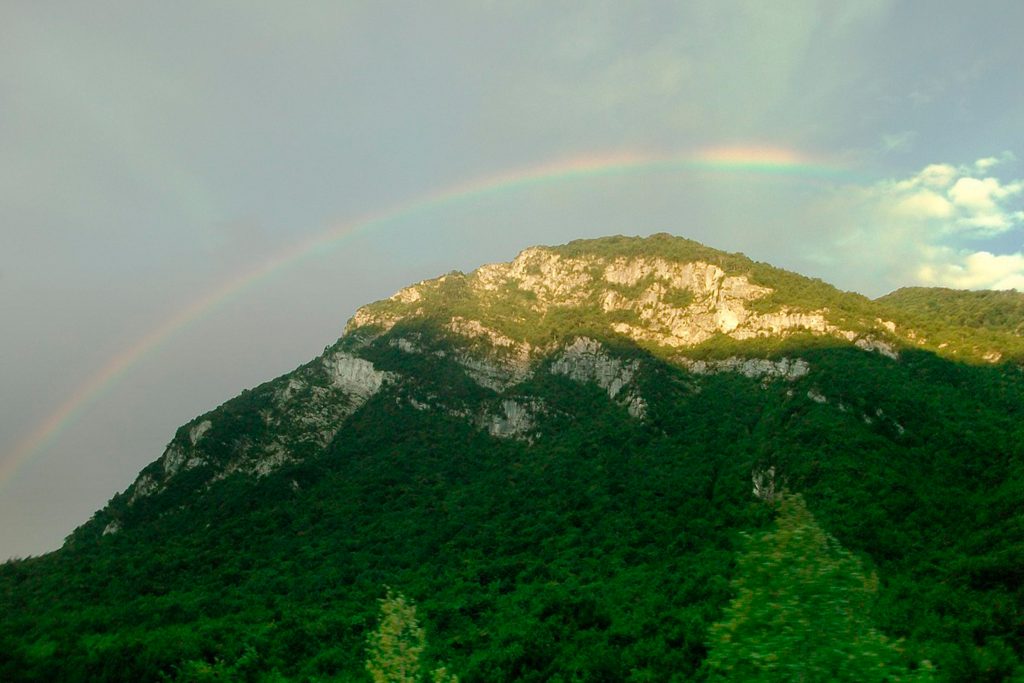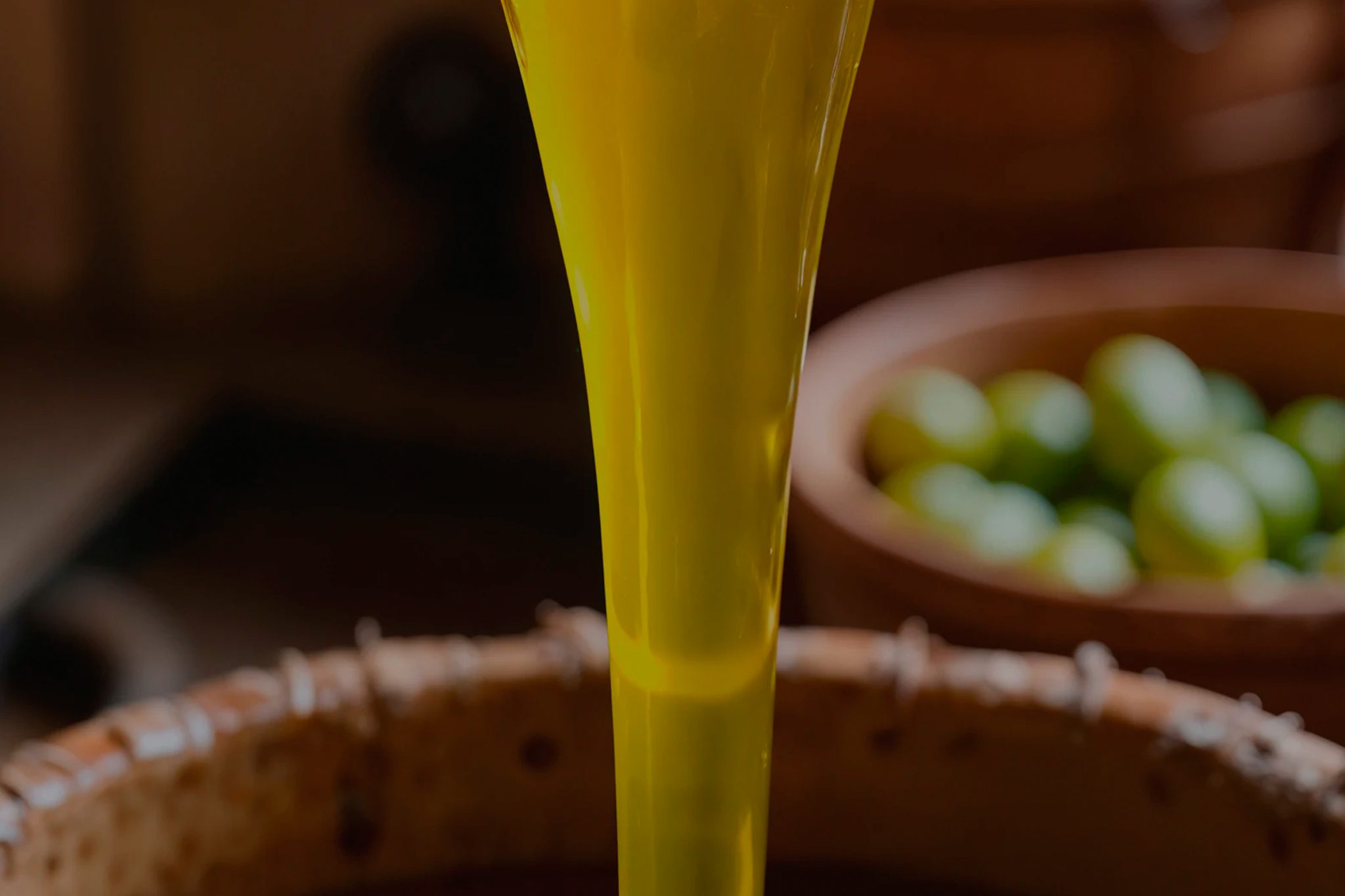
Mallorca doesn’t just make olive oil. It cultivates it in landscapes shaped slowly over centuries: stone terraces etched into mountainsides, silver-green trees leaning toward the sea, and the scent of wild rosemary carried on the breeze. The result is Oli de Mallorca D.O.P., a protected designation awarded by the EU in 2002 and produced today by around 1,200 growers and some 25 traditional mills across the island.
The oil comes primarily from Mallorquina, the island’s own gentle, fruity olive, blended in some groves with Arbequina and Picual. On the steep slopes of the Serra de Tramuntana, many trees are older than the village churches they overlook — 500 years is common, and 1,000 isn’t rare.
The island’s microclimate is its secret: salty Mediterranean breezes, limestone soils that drain quickly, and sharp day-night temperature changes. This shapes an oil with notes many tasters identify instantly: almond, fig leaf, green apple, and fresh herbs. Harvest earlier and you get a green, lightly bitter oil the island calls afrutado. Pick later and it softens into dulce, round and golden.
Chemically speaking, Mallorcan oil is quietly superior:
• Oleic acid often over 70%, linked to lower LDL cholesterol
• High polyphenols and vitamin E, natural antioxidants
• Acidity rarely above 0.4%, well under the 0.8% limit for extra virgin
Unlike many mainland regions, Mallorca still uses low-temperature cold extraction (below 27ºC). This protects aroma, enzymes, and nutrients — the difference you taste immediately when the oil hits warm bread.
The island produces around 400,000 liters a year, much of it snapped up in Germany, the UK, and Scandinavia, where Mallorcan oils are known for elegance rather than intensity.
More than a staple, Oli de Mallorca is a concentrate of landscape — sunlight, stone walls, salt air, and time.