Writer, bookseller and editor — or, as he says, “a man who writes” — Àlex Volney offers this reflection on what November means to Mallorcans, and why the rains matter more than most people realise.
Now that the air has begun to sweeten with rich, steaming buñuelos, the day of Sant Martí is approaching. Once the patron saint of millers, he often brings us a brief second summer. The children have already eaten their traditional rosaries, now with less pumpkin sweet and more candy.
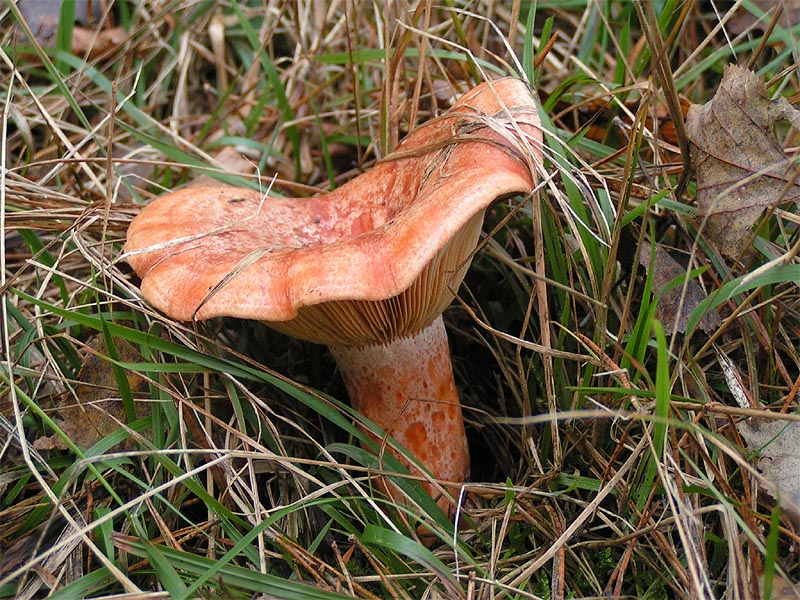
Around All Saints’ Day it was once the ideal time to go out in search of the prized esclata-sangs or rovellons, the delicious saffron milk caps that, although slow to appear, begin to push through after the first proper rains. And this year it has rained well — even at night — drenching the thirsty forests with the water they need to burst into colour. This year, they will not disappoint. The last few years have not been very good, mycologically speaking.
These days we are seeing the last flowering of the rosebushes. The wild asparagus plant is also spreading again. The rains at this time of year were once essential for livestock pastures — the growth of grass a few weeks before Christmas could determine whether the year ahead would be good.
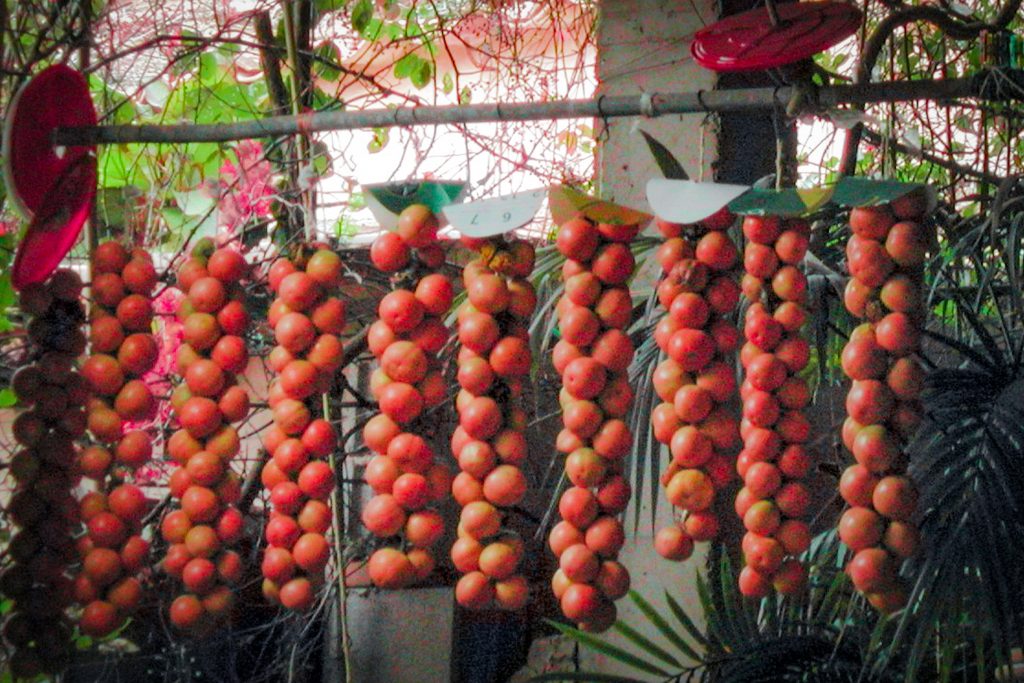
November is a month for eating fully ripe pomegranates, the red seeds like the coral once found in these waters — and, of course, for baking sweet potatoes. People also eat murtons — myrtle berries — which are just reaching their peak. At this time our mothers would prepare confitura d’arboça (strawberry-tree jam), Arbutus unedo, that beautiful plant that fills our forests and so often appears beside Lactarius deliciosus and L. sanguifluus.
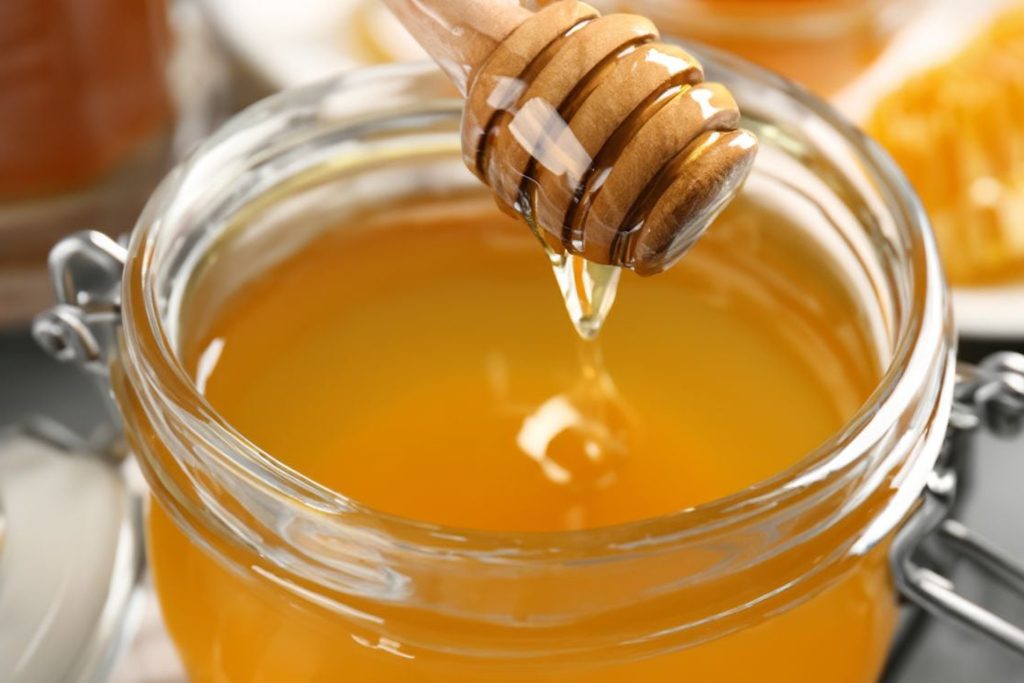
It is still the season for going out to gather snails and to buy honey from beekeepers, who already have their autumn batch. Aritja i garrover is one of the most desired and delicious combinations among the traditional varieties.
These days olives would be salted, and the upcoming great fair of Dijous Bo in Inca was — and still is — a good place to buy them dried or marinated. The Mallorcan grossa or d’empeltre is the absolute queen; your bread won’t need anything else.
When our grandparents ran this earthly show, these were the days for collecting chickpeas and lentils, red peppers, celery, winter melons… and it was also customary to sow radishes and carrots, and to set aside a corner of the garden for parsley seeds. Ah… and there is still time for chard and spinach.
This month potatoes are planted, and in the old days saffron was harvested. After the Feast of the Dead, cereals of almost all varieties were sown. In the vineyard, the muscat grapes are picked, and these days the new wines are usually tasted.
This ceremony — before transferring the wines to the barrels — would end in a celebration and, naturally, with a warm ear (as we say in Mallorca, when the toasts have flowed) before quickly getting back to work. For the most important task was eixermar: cleaning and tending the trees and their trunks, especially the olive trees, digging around the base and leaving everything clear and ready.
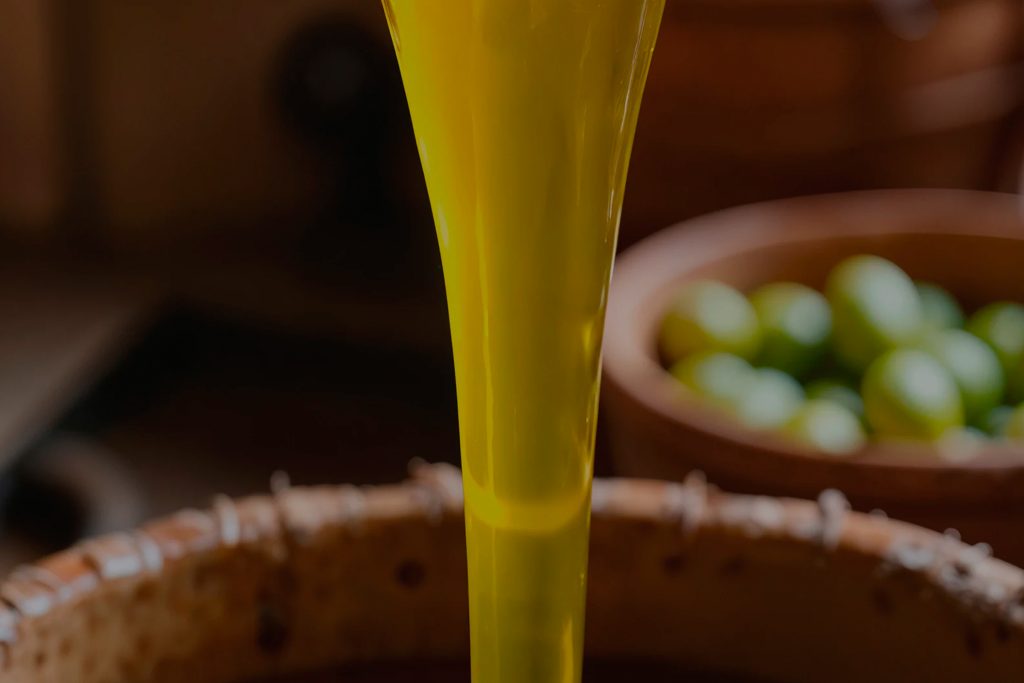
The olives are harvested, and you can already see queues of cars waiting to turn them into the island’s precious gold. In the past, toasted bread was considered the ideal way to taste the first virgin oil as it should be tasted.
Don’t get distracted — it’s time to prune the almond and carob trees. And besides these, it’s a good moment to plant new ones. Soon we’ll have the first local oranges and mandarins, filling tables with portions of concentrated sunshine. The fig trees are pruned too, and the last figs of these weeks are usually saved for fattening the piglets.
It really is starting to cool down. There are fewer hours of sunlight now, and it shows. The days are cloudier, and although we’re bombarded daily with announcements of a new apocalypse, things haven’t changed all that much.
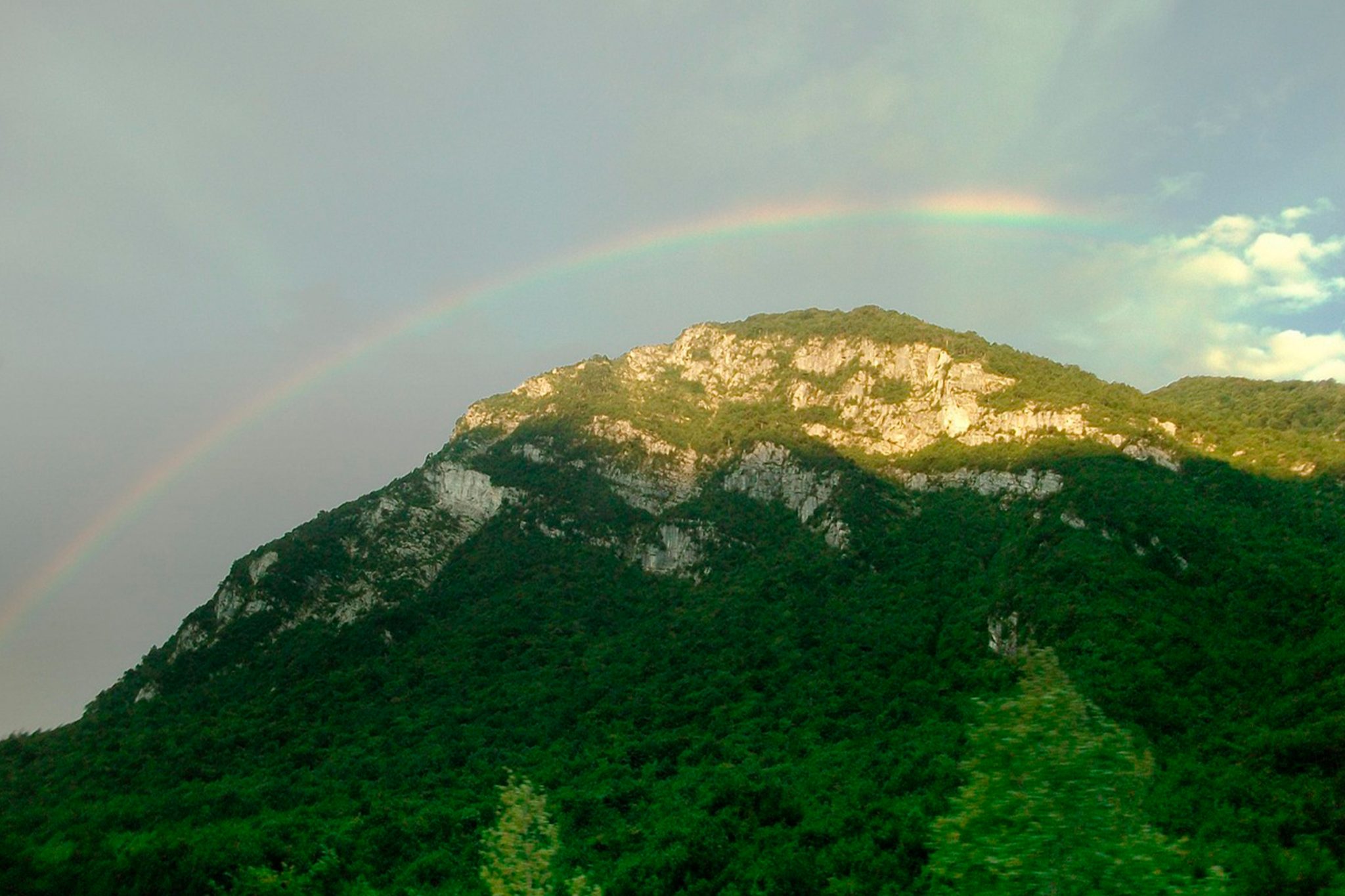
In this month, many rainy days can feel heavy, but if it doesn’t rain enough, the livestock will suffer and the land won’t receive new seed. The goldfinches, chaffinches, greenfinches and serins begin to gather with the first significant rains, and the concerts in the meadows are a true delight.
Don’t disappoint them — do yourselves a favour and enjoy it.
Spanish version:
Mallorca y su secreto de noviembre: festines en el bosque, primeras lluvias y viejas tradiciones
El escritor, librero y editor, o como él mismo dice, “un hombre que escribe”, Àlex Volney ofrece esta reflexión sobre lo que noviembre significa para los mallorquines y por qué las lluvias importan más de lo que muchos imaginan.
Ahora que se ha ido endulzando el aire con los ricos y humeantes buñuelos se acerca el día de Sant Martí, antiguamente patrón de los molineros que nos suele regalar otro veranito. Los chiquillos ya se han comido sus tradicionales rosarios que cuentan cada vez con menos dulce de calabaza y cada vez con más chuches. Por Tots Sants era ideal antiguamente salir a buscar los preciados esclata-sangs o rovellons, los deliciosos níscalos que aunque tarden ya van saliendo con las últimas lluvias. Ha llovido bien, también de noche y nutriendo la tierra a un buen ritmo los sedientos bosques que necesitaban brotar en colores no van a defraudar. Los últimos años no han sido demasiado buenos micológicamente hablando. En estos días estamos ante la última floración de los rosales. La planta de los espárragos trigueros también se reproduce ahora. Las lluvias de estas fechas eran un tiempo fundamentales para los pastos del ganado, el crecimiento de la hierba semanas antes de Navidad determinaba tener garantizado un buen año. Noviembre es un mes para comer granadas bien maduras, el grano rojo como el coral que antes se encontraba en estas aguas, y cómo no… de hornear boniatos. También se comen los murtons, mirto, que ya empiezan a estar en su punto. Nuestras madres en esta época preparaban la confitura d’arboça (madroño), Arbutus unedo, este bellísimo vegetal que llena nuestros bosques y que tantas veces acompaña a los Lactarius deliciosus y sanguiflus. Sigue siendo tiempo de salir a cazar caracoles e ir a comprar miel a los apicultores que ya tienen la de otoño. Aritja i garrover es una de las más deseadas y sabrosas combinaciones entre las tradicionales. En estos días se solían salar aceitunas, la próxima y gran feria del Dijous Bo en Inca era, y es, un buen lugar para comprarlas pansides o aliñadas. La mallorquina grossa o d’empeltre es la reina absoluta, el pan no va a necesitar nada más. Cuando nuestros ancestros, nuestros abuelos, dirigían este cotarro terrenal eran los días de recogida de garbanzos y lentejas, pimientos rojos, apio,melones de invierno…y también se solía sembrar el rábano y la zanahoria y preparar ya un rincón para echar las semillas del perejil. Ah…todavía queda tiempo para las acelgas y espinacas. En este mes se siembran las patatas y antiguamente se recogía el azafrán. Pasada la fiesta de los Difuntos se sembraban los cereales de casi todas las variedades. En la viña se coge el moscatell y en estos días se suelen catar los vinos nuevos. Esta ceremonia antes de llevar los caldos a las botas acababa en fiesta y cómo no con la oreja caliente, para volver pronto al trabajo pues lo más importante es eixermar, es decir, limpiar y arreglar los árboles y sus troncos, los olivos principalmente cavando el círculo y dejándolo todo bien despejado y a punto. Se coge la aceituna y ya se ven colas de coches para convertirla en el preciado oro de este mar. Antiguamente el pan tostado era ideal a la hora de probar como toca el primer aceite virgen. No se despisten es la hora de podar almendros y algarrobos. Además de estos últimos un buen momento para sembrar nuevos. Pronto tendremos las primeras naranjas y mandarinas del país llenando las mesas de porciones de sol concentrado. Se podan las higueras y los últimos higos estas semanas suelen ser para el final de engorde de los cerditos. Realmente empieza a refrescar. Las horas de insolación ya son pocas y se nota bastante. Hay más días nublados y aunque nos bombardeen cada día anunciando un nuevo apocalipsis la cosa tampoco ha cambiado tanto. En este mes muchos días de lluvia se hacen pesados pero si no llueve lo suficiente el ganado lo va a pasar muy mal y tampoco se podría fecundar el campo con nuevas semillas. Los jilgueros, pinzones, verderones y verdecillos se suelen reencontrar, se reunen con las primeras lluvias importantes y los conciertos en los prados son una auténtica delícia. No los decepcionen y hagan el favor de pasarlo bien.