Next August 12, a celestial spectacle is set to put Mallorca’s beaches in the shade
Mark your calendars — on the evening of August 12, 2026, Mallorca will host one of the century’s most extraordinary natural shows: a total solar eclipse. For a few precious minutes, the Moon will slide perfectly between Earth and the Sun, plunging the island into an eerie, silvery twilight.
This isn’t just another sunset. Total eclipses pass over any given spot on Earth only once every three to four centuries. On Mallorca, the phase of totality is expected to begin at around 8:30 p.m., just before sunset, and last for about two minutes — a perfect window for both stargazers and photographers.
As daylight fades, temperatures could drop by 3–5 °C, and animals will behave as if night has fallen: birds roost, insects fall silent, and sea creatures change their patterns. The solar corona, the Sun’s delicate halo of plasma, will glow visibly around the black disc of the Moon. Venus and Mercury will shine in the darkened sky, easy to spot with the naked eye.
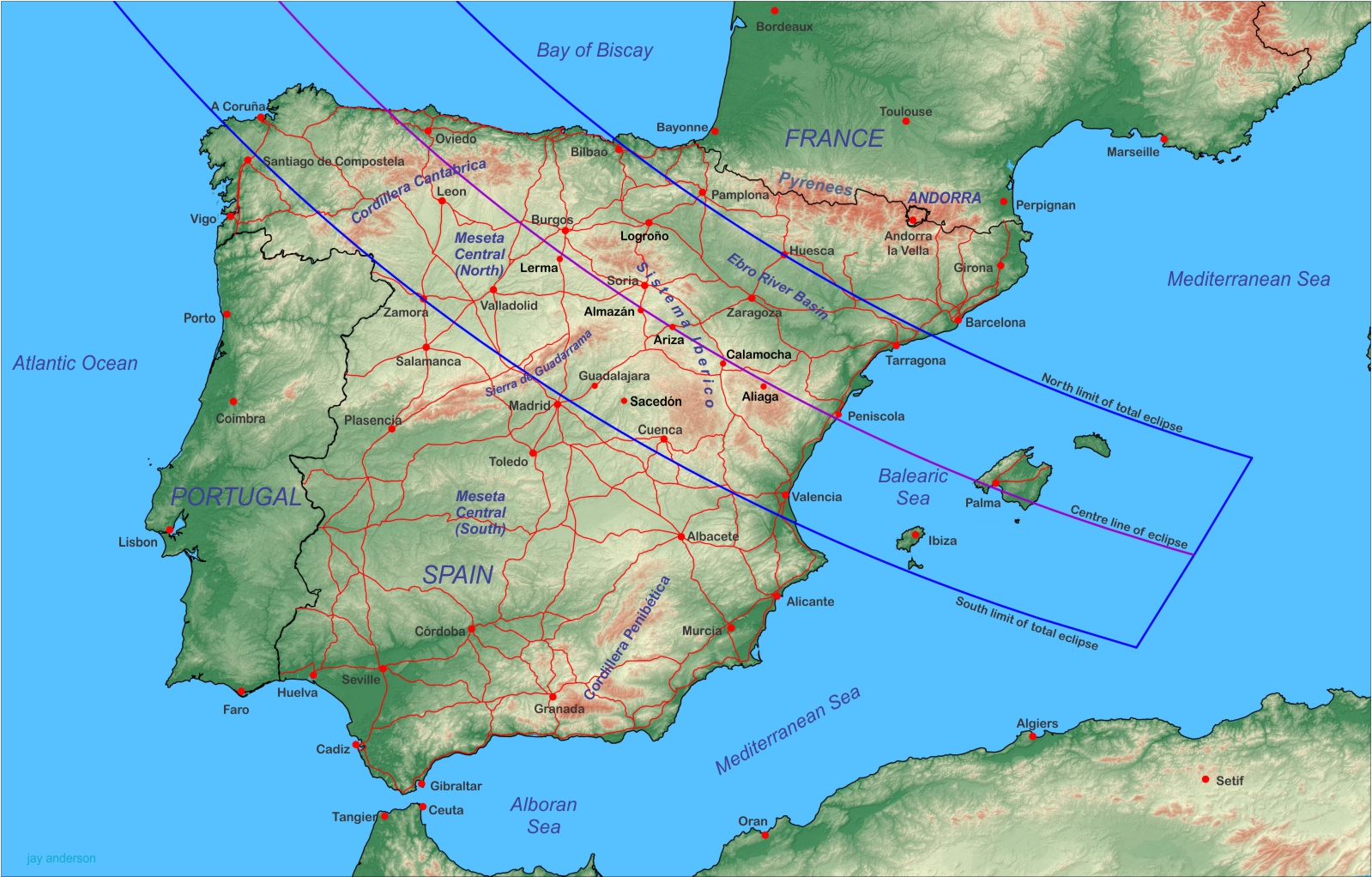
Mallorca happens to be right in the path of totality, where the Moon’s shadow crosses the Mediterranean with unusual clarity. The best vantage points are expected to be along the northwest coast. Authorities are already preparing special traffic plans to prevent gridlock, and fire brigades are on alert — August is peak wildfire season, after all.
Beyond the spectacle, scientists are preparing to use the eclipse as a rare opportunity to study changes in light, temperature, bird behaviour, and even plant responses. Psychologists note that such moments can trigger powerful feelings of awe and unease, as our brains struggle to process the sudden reversal of day and night.
So on August 12, 2026, as the sky turns from gold to indigo and Mallorca’s mountains fall silent, take a moment to look up. For two minutes, the island will be transformed — the beaches forgotten, the nightlife on pause — as everyone shares the same astonished gaze toward a darkened sun.
Photo: eclipsophile