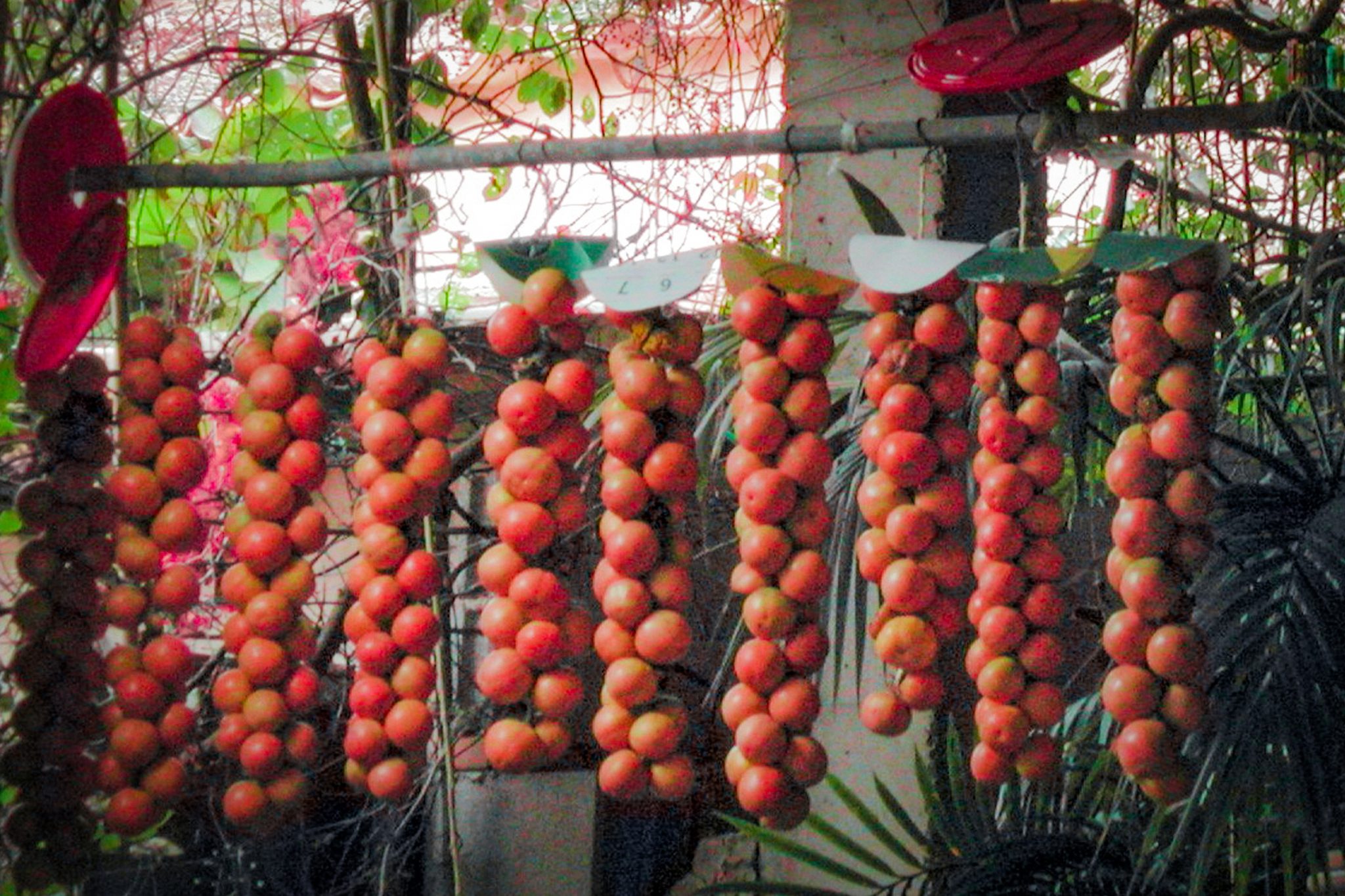
Every island has its secret to surviving winter. In Mallorca, it’s the tomàtiga de ramellet — a tomato that refuses to fade with the summer sun. You’ll find them hanging in kitchen doorways and storerooms across the island, strung together in dusty bunches like coral necklaces, slowly ripening into deeper shades of red. They’re not decoration, though. They’re a living link between the harvest and the long months ahead — the taste of July carried right through to spring.
The ramellet tomato is one of Mallorca’s genuine gastronomic treasures, deeply rooted in the island’s rural life and Mediterranean cooking. This local variety has adapted perfectly to Mallorca’s dry climate and limestone soil. Its claim to fame is longevity: thanks to its thick skin and low water content, it can be stored for many months — sometimes up to eight — by hanging in clusters in cool, airy spaces. Each tomato weighs around 60–120 grams, with dense flesh and a balanced sweet-salty flavour lifted by a hint of acidity.
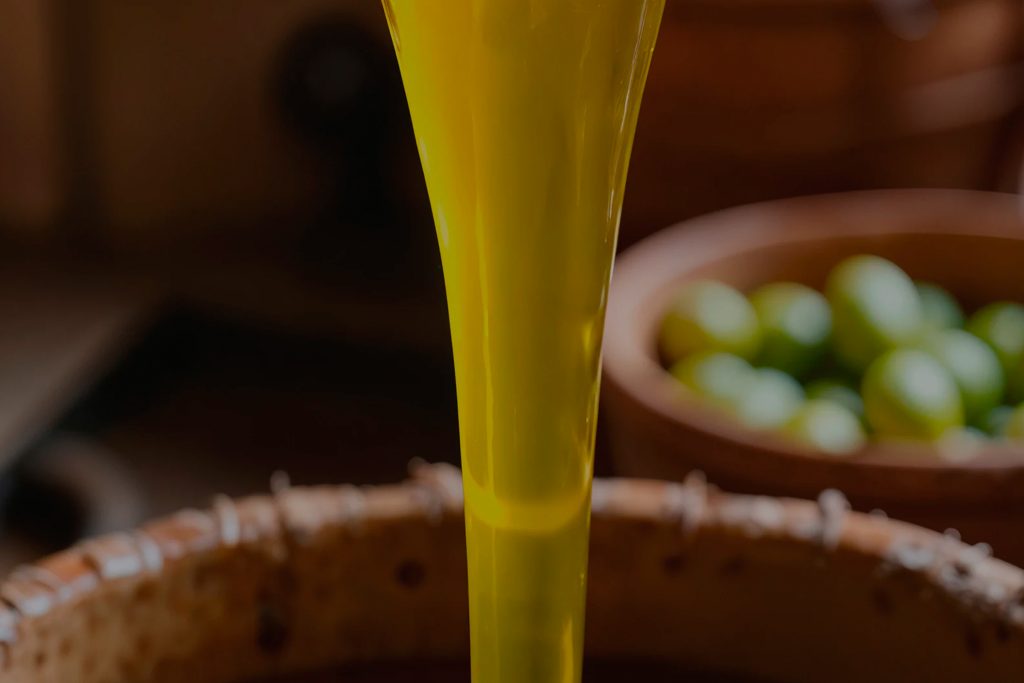
Most importantly, it’s the soul of pa amb oli — Mallorca’s most beloved dish of rustic bread rubbed with tomato and drizzled with olive oil. The plants are typically grown without irrigation, drawing moisture from morning dew and rare rainfall, which concentrates both flavour and nutrients. This low-intervention approach gives the ramellet its intense, sun-preserved taste and makes it a poster child for sustainable Mediterranean farming.
In recent years, the “Marca de Garantia Tomàtiga de Ramellet de Mallorca” certification has helped protect the authenticity of the variety. Around 300 farmers now cultivate ramellet tomatoes across roughly 200 hectares of Mallorcan farmland, continuing a tradition that connects past and present. Research from the University of the Balearic Islands highlights the tomato’s naturally high lycopene content and its exceptional drought resistance — proof that resilience can be delicious.
Come late summer, villages such as Andratx, Felanitx, and Porreres host fairs celebrating the tomàtiga de ramellet, with prizes for the best colour, shape, and flavour. For Mallorcans, this tomato is more than a crop — it’s part of who they are, as iconic as La Seu Cathedral or the Tramuntana mountains.
Long after the tourists have gone and the beach bars have closed, those strings of tomatoes still glow in the island’s kitchens — bright reminders that Mediterranean summer never truly ends.