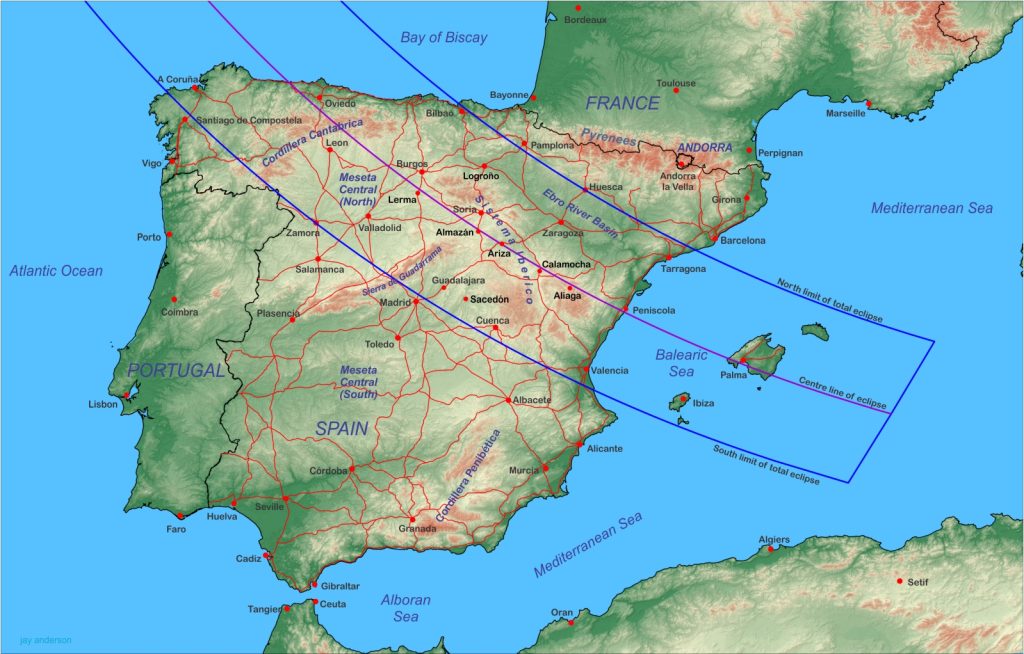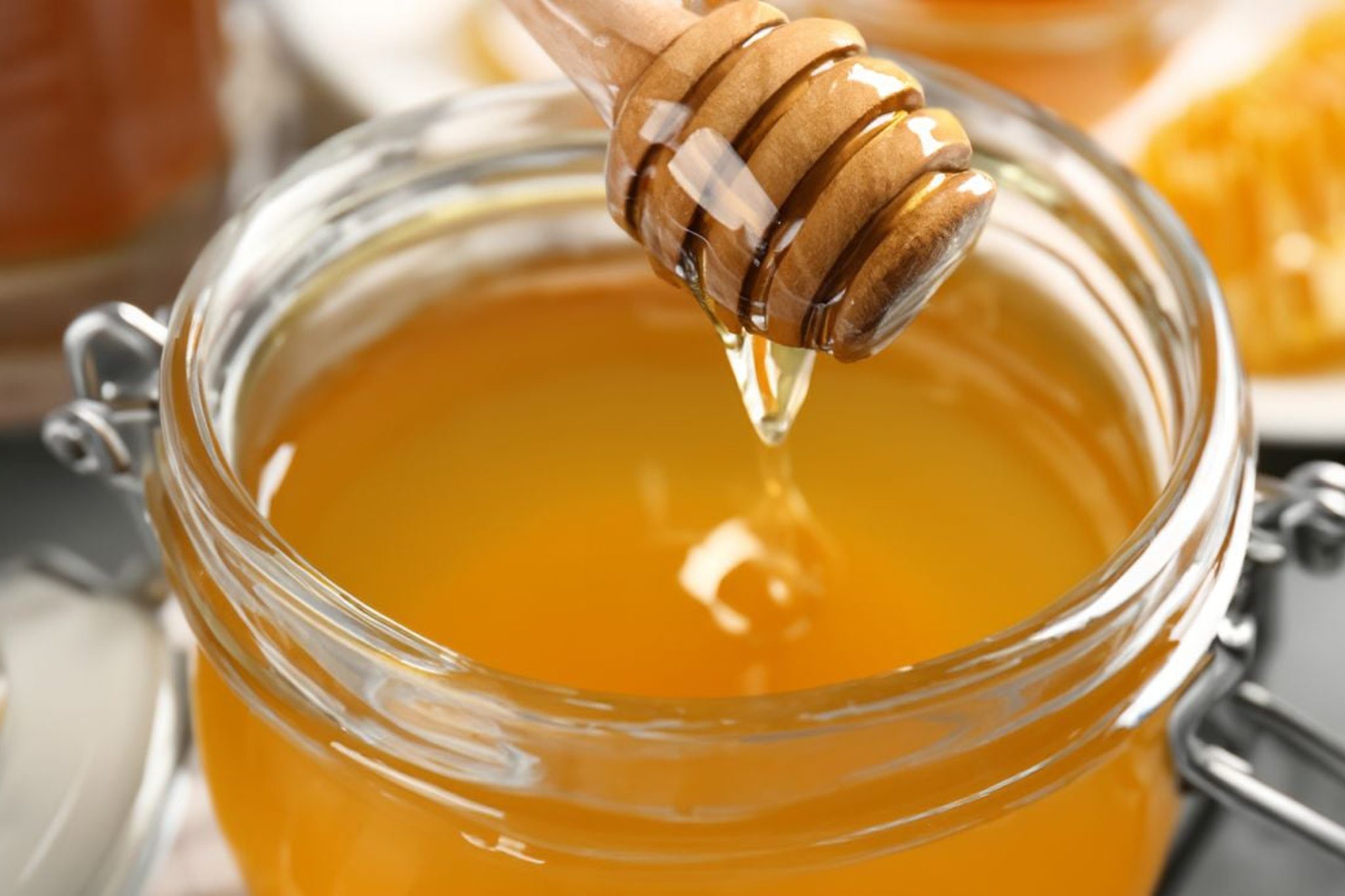
Mallorcan honey is one of the island’s quiet gastronomic treasures — a taste that captures the wild beauty of its landscapes. Bees here feed on an extraordinary range of native plants such as rosemary (Rosmarinus officinalis), thyme (Thymus capitatus), and heather (Erica multiflora), giving the honey a complex bouquet with floral, herbal, and subtly spicy notes.
Its authenticity and quality are protected by the Protected Designation of Origin (DOP) “Mel de Mallorca”, which guarantees that the honey is produced and packaged on the island using traditional methods.
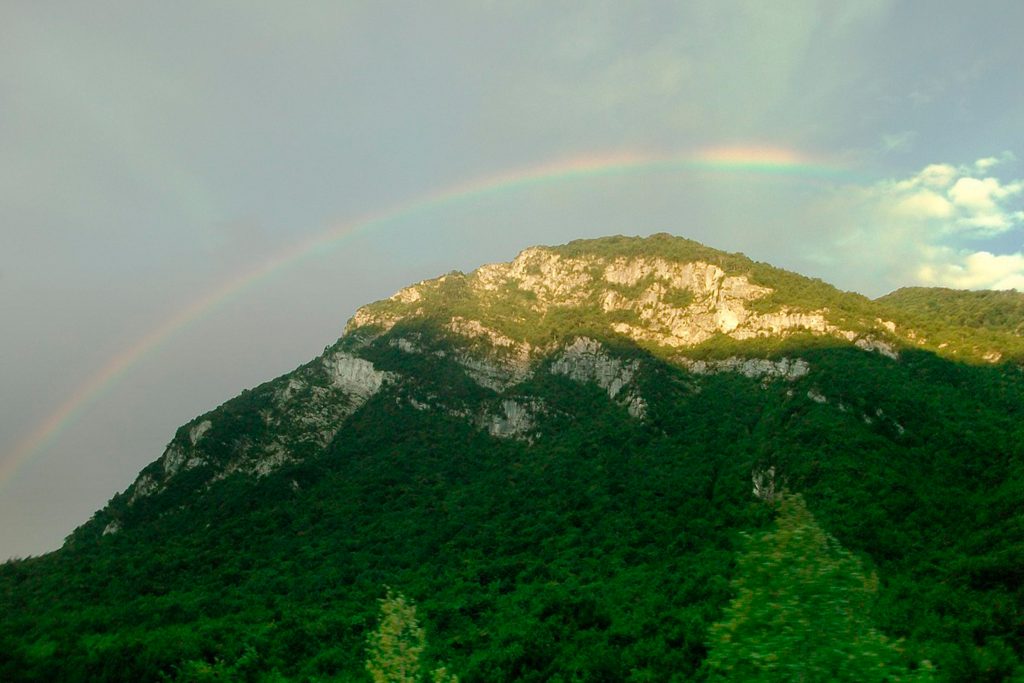
In the Tramuntana Mountains, a UNESCO World Heritage landscape, bees draw nectar from a remarkably rich and untouched flora. Combined with the island’s dry climate, this produces honey with a low moisture content that crystallizes quickly — a sign of its natural integrity.
Within the DOP classification, several varieties exist: monofloral honeys (such as rosemary, thyme, or eucalyptus) and multifloral blends, often called mil flores, that capture the island’s full botanical richness in every jar.
Why is carob honey such a rare variety?
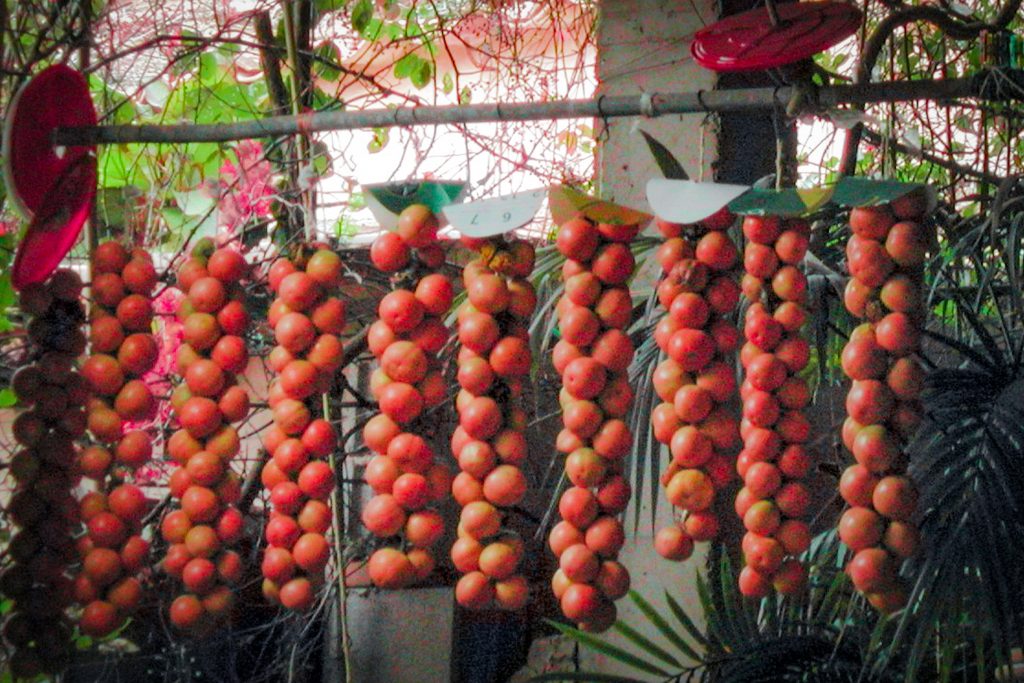
Among Mallorca’s many honeys, carob honey is one of the rarest and most distinctive. The carob tree (Ceratonia siliqua), long a symbol of Mediterranean agriculture, blooms irregularly and produces little nectar — which means carob honey can only be harvested in years when weather and flowering conditions align perfectly.
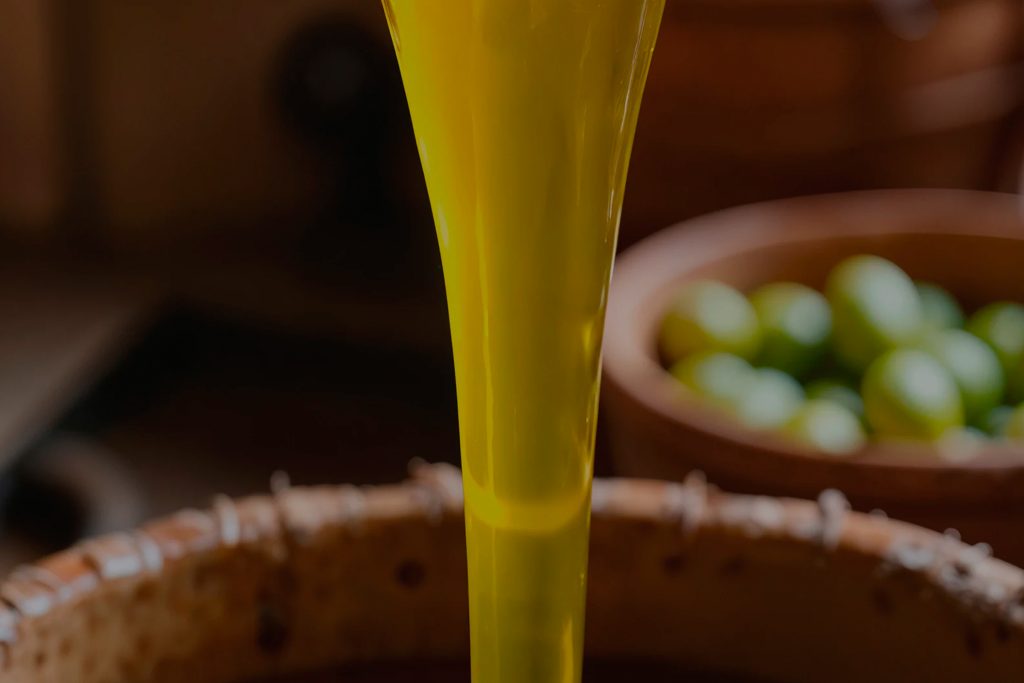
The result is a dark, aromatic honey with deep caramel, cocoa, and nutty tones, but without the bitterness found in raw carob pods. Its reddish-brown hue and velvety texture make it stand out from lighter floral honeys.
Because of its scarcity, carob honey is considered a true gem of Mallorcan beekeeping — a delicacy often reserved for special occasions or used in gourmet desserts where its earthy sweetness can truly shine.