I arrived in Mallorca at the very end of 2024. After nine months on the island, I’ve realised that what Mallorca most needs isn’t more visitors — it’s better storytelling.
A friend visiting from the U.S. once said, “It’s as beautiful as Greece, only with palm trees.” But Mallorca is not Greece. It’s not even exactly “Spain” in the way many foreigners imagine Spain. This is the Balearic Islands — with their own culture, landscape, and rhythm of life, quite distinct from the mainland.
Take Ibiza, for instance. It’s world-famous for its nightlife, yet that’s only one part of its identity. There’s also a rich rural and artistic heritage that most outsiders rarely see. And Mallorca? It’s an island for living, not just for holidays — with deep agricultural traditions, a dynamic design scene, and a growing community of creatives who call it home.
In July, a video went viral showing tourists in Mallorca struggling — or rather, spectacularly failing — to answer the simplest questions about the island where they were spending their holiday. One thought Mallorca was in the Atlantic. Another named Barcelona as the island’s capital. Several were sure the official languages were Spanish… and English.
So where do the misconceptions come from? Partly from foreigners’ poor grasp of history and geography. But also from decades of tourism promotion that sold the same simplified image of a uniform Spain to the world: sun, sangria, toros and flamenco. That old message — born in the Franco era and repeated for generations — was so loud and so insistent that its echo still lingers today, a hangover as strong as any from cheap sangria.
It’s time for Mallorca to tell its own story. An island with its own dances, its own language, and its own sense of place deserves to be seen through its own lens — not through outdated clichés or the filters of foreign ignorance.
That means hearing from people beyond the tourism industry: from artists, designers, winemakers, architects, farmers, scientists, and thinkers shaping the island’s present and future. Mallorca’s identity is richer, more complex, and far more interesting than any postcard image.
That’s exactly why Humans of Mallorca matters. We want to change this situation. We want to tell people where to find the largest art collection on the island, where the best wine is made, where the biggest fig tree collection in Europe is cultivated, where olives are harvested, where local textiles are woven, where gin is crafted, and where traditional ceramics are being reinvented for modern life.
Right now, too many people simply use the island — its beauty, its light, its pleasures — without giving back. But storytelling can be a form of respect: recognising Mallorca as more than a backdrop, but a living culture that continues to evolve.
Let’s all learn to give something back to her — in our work, in our curiosity, in how we speak about her. She has already given us so much.
(And yes, Mallorca is definitely a she.)
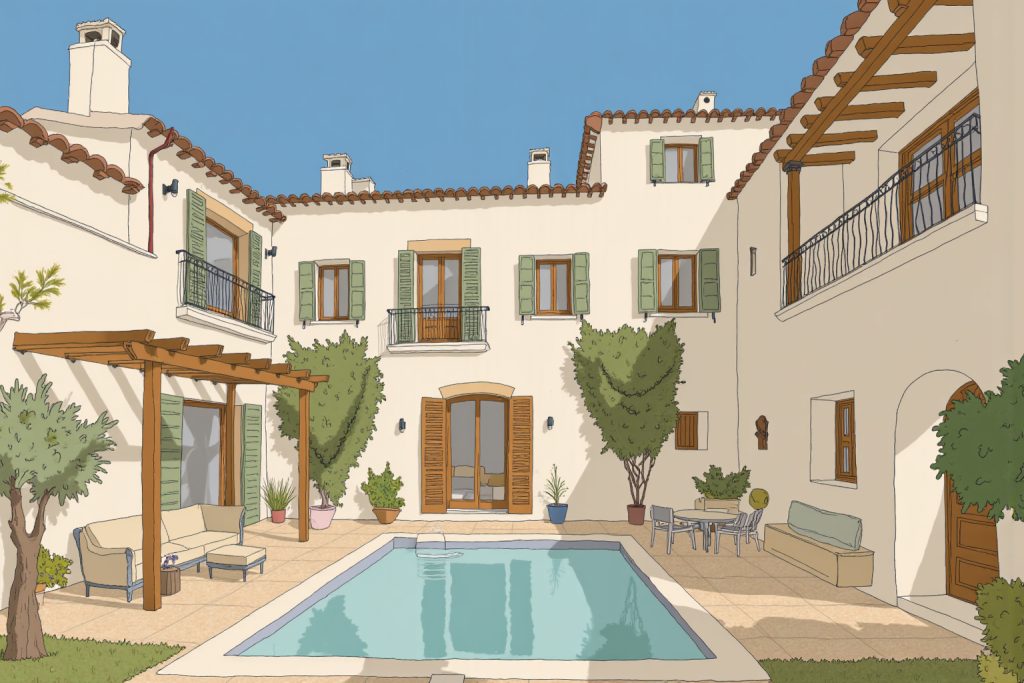
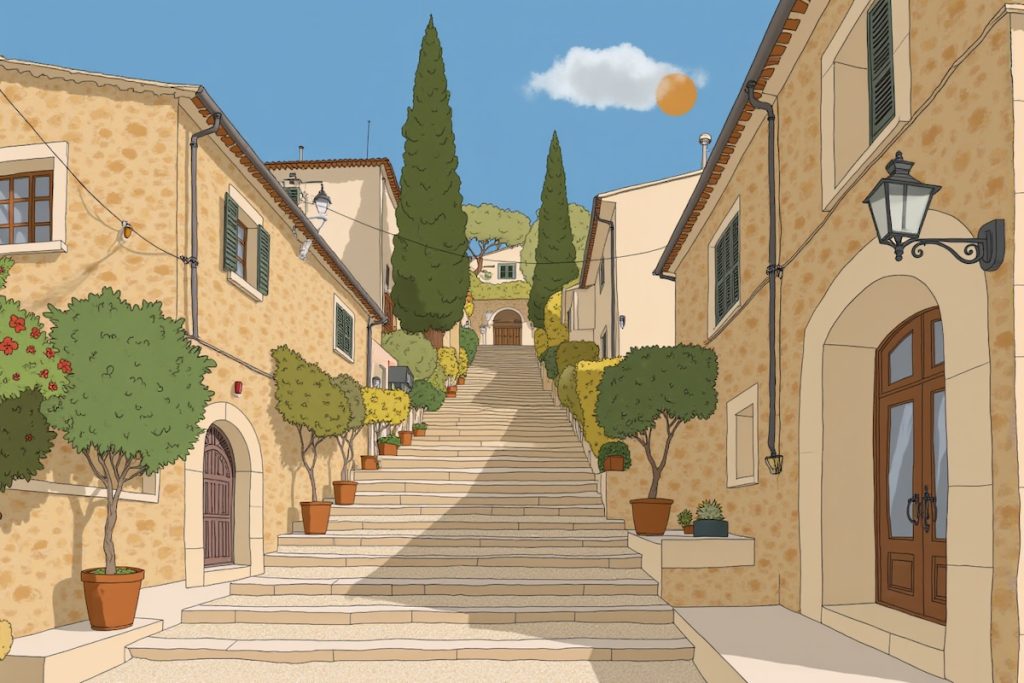
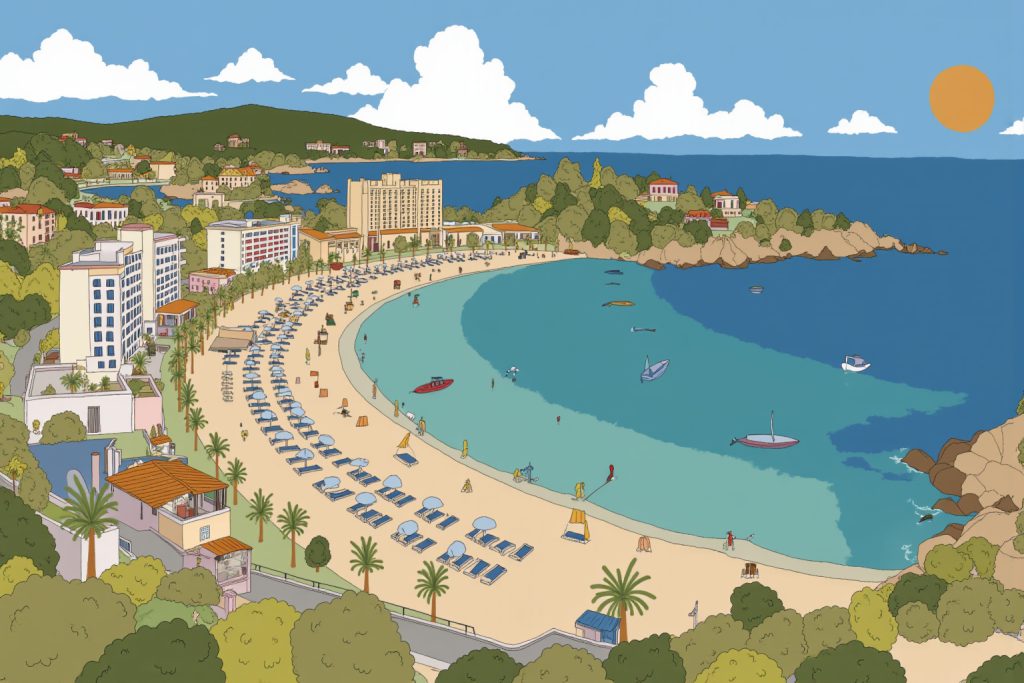
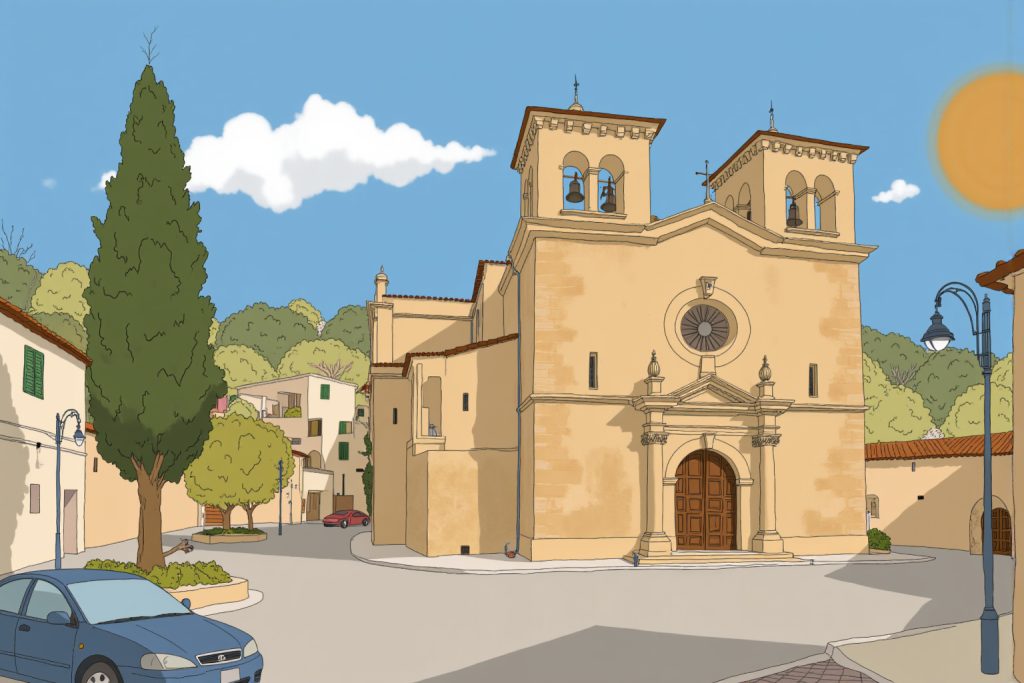
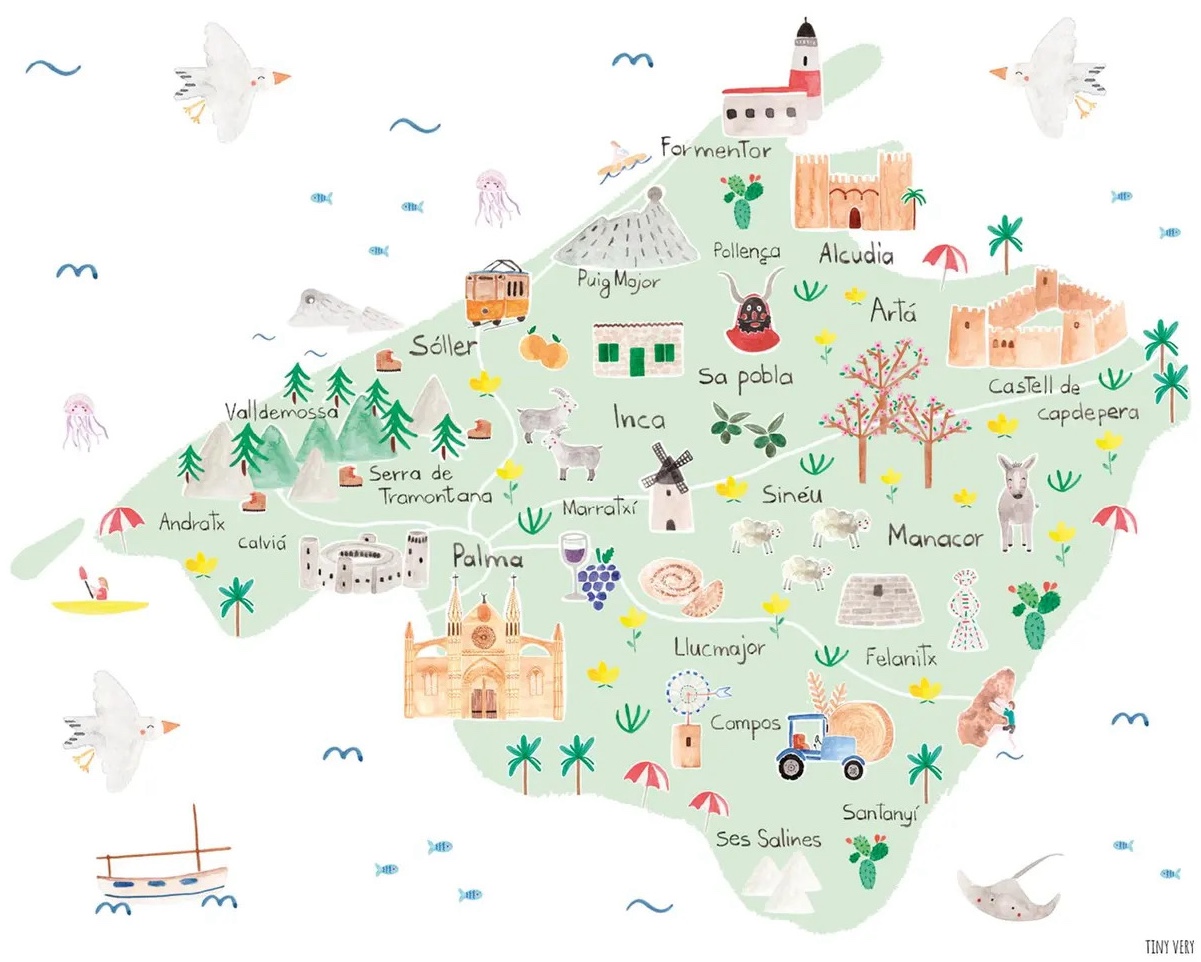
Picture: made by TinyVery , you can order this poster on her website.