
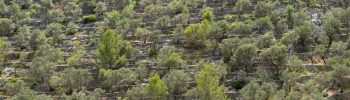
Why did the Muslim rulers of Mallorca plant olives on terraces?
How medieval Andalusí farmers carved terraces into Mallorca’s mountains and gave shape to a landscape that still endures Between 902 and 1229, under the rule of al-Andalus, the island’s rugged Tramuntana mountains were transformed by a radical idea: carving stone terraces into steep slopes, a feat of engineering that turned inhospitable rock into farmland. These dry-stone walls held the thin soil in place and captured precious rainwater in a climate where summers stretched long and dry. Olive trees, part of Mediterranean life since antiquity, became the crop of choice. Their roots anchored the terraces while their fruit sustained the island’s economy. By the eleventh century, vast swathes of the mountains had been reshaped into step-like walls — today estimated to extend more than 20,000 kilometres, after centuries of building and maintenance. Some groves still contain trees between five and eight centuries old, gnarled and silver-leaved witnesses to that Andalusí legacy. Remarkably, the system remains productive: tens of thousands of litres of olive oil are pressed on the island each year from fruit grown on terraces first laid nearly a millennium ago. In 2011, UNESCO added the Serra de Tramuntana to its World Heritage list, citing the enduring balance between landscape and agricultural ingenuity.
