
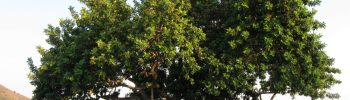
Why carob tree is Mallorca’s gold: the wealth the Muslim rulers brought 1000 years ago
In Mallorca, the carob tree — garrover — might look modest, but it carries one of the island’s oldest and most enduring treasures: the rich, dark pods that have sustained life here for over a millennium. Widey cultivated and expanded during the period of Muslim rule, alongside olives and almonds, the garrover helped shape the landscape we now call ‘Mediterranean’. The island is home to many local varieties of garrovers, with names such as duralló, d’en Pau, and bugadera. These trees often thrive where little else can — on dry terraces, among stones, under the scorching 40 °C summer sun. They need no irrigation and even improve soil structure, helping to prevent erosion on the terraced slopes of the Tramuntana mountains. It’s no surprise, then, that the carob tree remains a cornerstone of Mallorca’s sustainable agriculture. The fruit of the garrover is a long, leathery pod that ripens in September and October. A single mature tree can produce up to 200 kilograms of pods each season and live for well over a century. Inside each pod lies its “gold”: a sweet pulp and several hard seeds. These seeds were so consistent in weight — around 0.2 grams — that they became the original standard for measuring precious stones. The word carat comes from the Arabic qīrāṭ, which in turn derives from the Greek keration, meaning “carob seed.” While the pods were once mainly used as animal feed, demand for natural and plant-based products has turned carob into one of Mallorca’s most profitable crops. The hard seeds are processed into locust bean gum (E410), a natural thickener used in yoghurts, ice cream, and pharmaceuticals, and exported to more than 30 countries. The pulp itself is rich in vitamins B, C and D, and minerals such as calcium, potassium, phosphorus, and magnesium. On the island, the fruit is transformed into powder, syrup, creams, honey, liqueurs, and even chewing gum. The company Es Garrover de Mallorca, based in Llucmajor, cultivates and processes organic carob products and also offers educational tours of its farm — a living example of how traditional crops are finding new life in the modern market. Prices fluctuate each year depending on rainfall and demand. In 2023, harvests were larger than in 2022, though prices fell by about 30 percent due to drought. Farmers typically earn around €1 to €1.50 per kilo for pods, while the seeds — used for locust bean gum — can fetch up to €10 per kilo. For many rural families, carob harvesting now provides valuable seasonal income and has revived interest in old groves once left to wither. A thousand years after its arrival, the garrover still does what it has always done: holds the soil, feeds the island, and waits for rain. Its pods smell faintly of caramel and sea breeze, and in their sweetness you can taste both survival and memory — the quiet wealth of Mallorca. Photo: Mediterranean Forest
